

Global Ethical Stocktake
Centering Ethics in Climate Action
The Global Ethical Stocktake elevates the moral, ethical, philosophical and cultural dimensions of the climate crisis, asking: “If we already know what needs to be done to address the climate crisis, why aren’t we doing it?”
What is the Global Ethical Stocktake?
The Global Ethical Stocktake (GES) aims to support the implementation of the Paris Agreement by rooting action in values, justice and conscience.
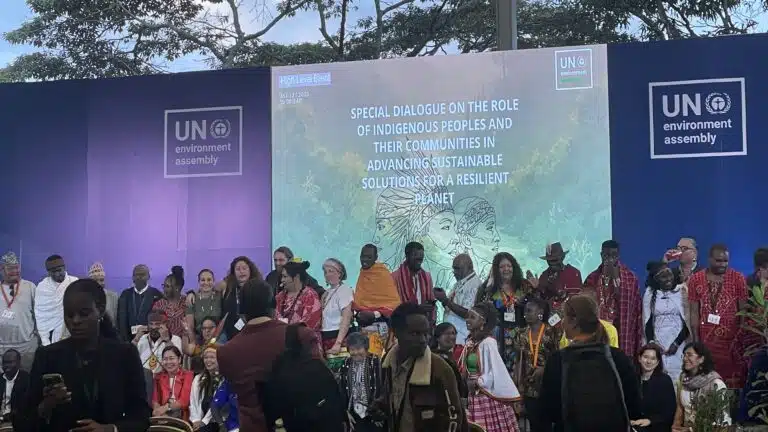
Launched in 2025 by the Brazilian COP30 Presidency, the GES convened six official regional dialogues and numerous grassroots dialogues to reflect on the deeper values that should guide climate action. Through a dual approach, the GES now advances climate decision-making rooted in ethics and justice, including through the priorities that emerged from the 2025 dialogues.
Governments:
The governmental action track, led by the Brazilian Ministry of Environment and Climate Change, is working with allied countries to formally bring ethics into the UN climate negotiations, including the second Global Stocktake process (GST2), the UN’s official review of global climate progress, which concludes at COP33 in 2028.
Communities:
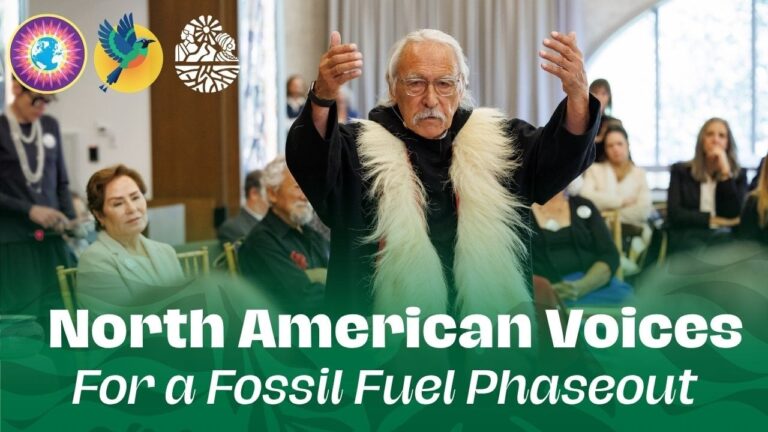
Under annually rotating leadership, this year held by Pacific Elders’ Voice and Anote Tong, a societal mobilization track is furthering efforts to organize people and movements around climate ethics, with the Center for Earth Ethics serving as Executive Secretariat.
Background
In recent years, the annual United Nations climate conference (COP) has begun to assess global climate progress through a formal process known as the Global Stocktake (GST). The GST, established under the 2015 Paris Agreement, is a scientific and technical analysis of emissions targets and national commitments. The first GST was conducted from 2021 to 2023, concluding at COP28 in Dubai.
In 2025, under the formal leadership of Brazilian President Luiz Inácio Lula da Silva and UN Secretary-General António Guterres, with key support from the COP30 Presidency and the Brazilian Ministry of Environment and Climate Change, a groundbreaking initiative emerged: the Global Ethical Stocktake.
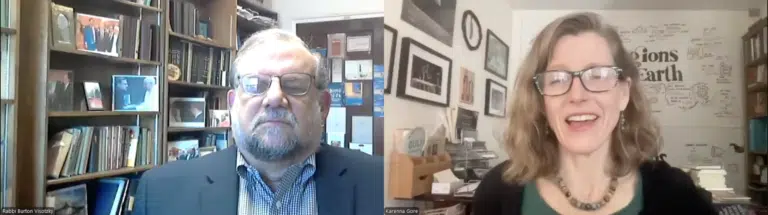
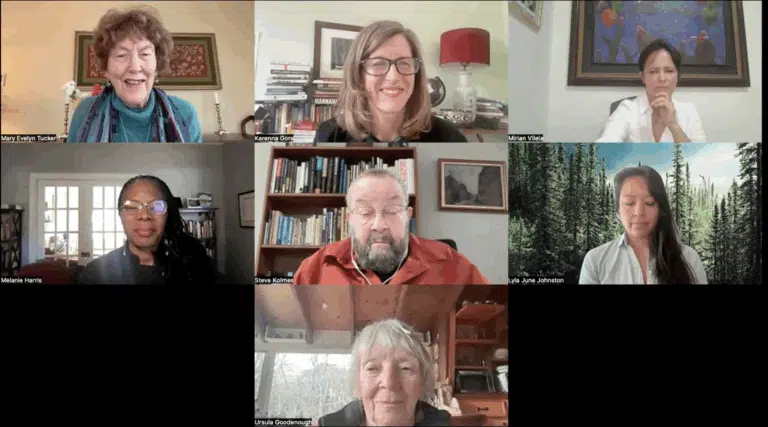
Ahead of COP30 in Brazil, the GES convened six official regional dialogues in Africa; Asia; Central and South America and the Caribbean; Europe; North America; and Oceania. Alongside the official global gatherings, local organizations and communities hosted Self-Organized Dialogues to share perspectives on climate ethics from their own lived experiences. Each dialogue gathered diverse voices—including youth, elders, Indigenous leaders, artists, philosophers, scientists and faith representatives—to help shape the global moral framework for COP30 in Brazil.
Current Leadership
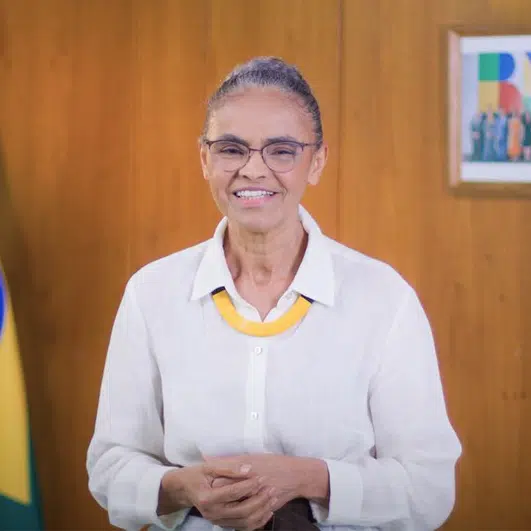
Leader of the Governmental Mobilization Track
Minister of the Environment and Climate Change of Brazil
Pro Tempore Leader of the Societal Mobilization Track
Former President of the Republic of Kiribati and Chair of the Pacific Elders’ Voice
Executive Secretariat of the Societal Mobilization Track
Founder and Executive Director, Center for Earth Ethics, and Teaching Professor of Practice of Earth Ethics, Union Theological Seminary
News & Insights