A Common Vision of a Just Transition: Historic Conference in Colombia Imagines the End of Fossil Fuels

A common—and justified—complaint about COP (the annual United Nations Climate Conference) is that decisions take too long and are too incremental. Established by the 1992 UN Framework Convention on Climate Change (UNFCCC), the COP process has structural limitations. For one, it is consensus-based, meaning just one country (out of nearly 200) can stop action. Second, the COP has struggled to overcome the influence of fossil fuel interests. Lobbyists and petrostates have delayed and watered down climate progress for decades. 

When the 2015 Paris Agreement set the critical 1.5°C warming target, it failed to mention coal, oil and gas, despite fossil fuel burning being the largest driver of climate change. COP28 in 2023 finally called for “a transitioning away from” fossil fuels, but this still fell short of pushing for a full phaseout. Last year’s COP30 included more than 1,600 fossil fuel lobbyists (one in 25 attendees), massively outnumbering all government delegations, except for the host country. It is no surprise, then, that last year COP negotiators failed to make progress on a “roadmap on transitioning away from fossil fuels in a just, orderly, and equitable manner.”
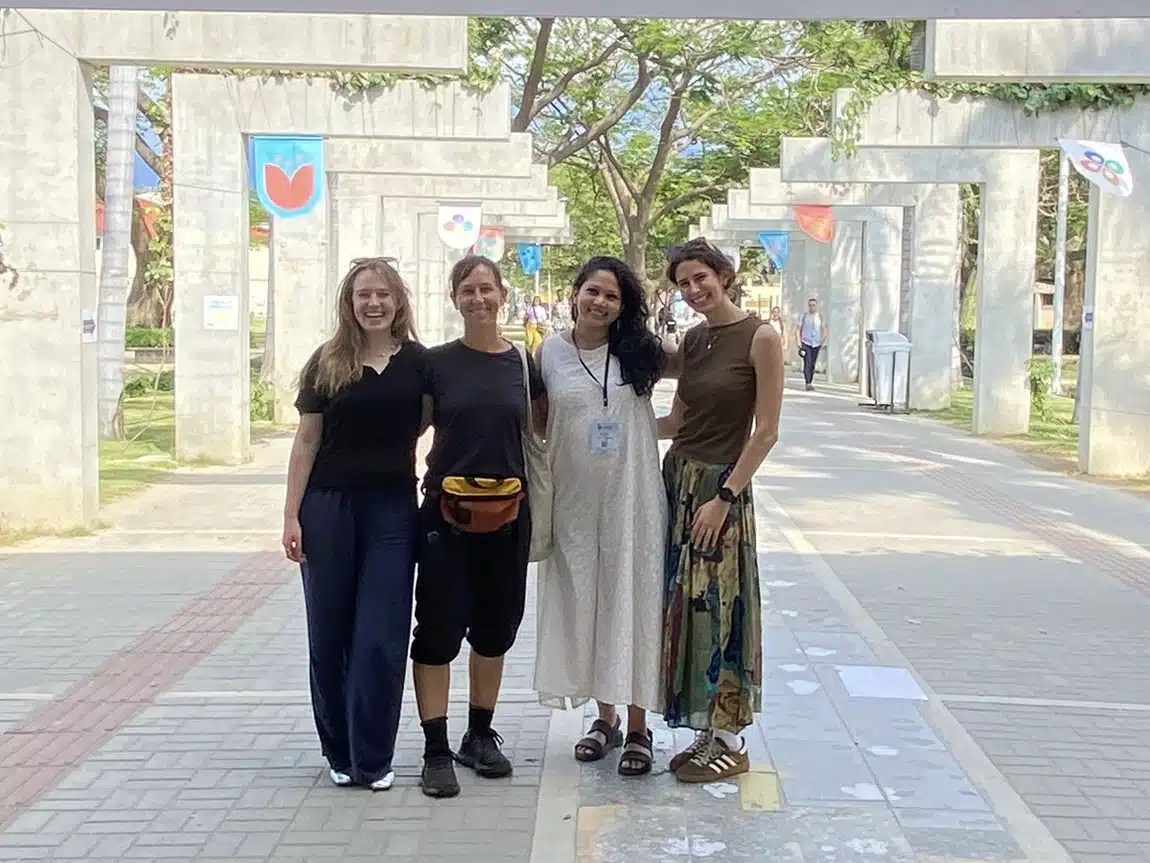
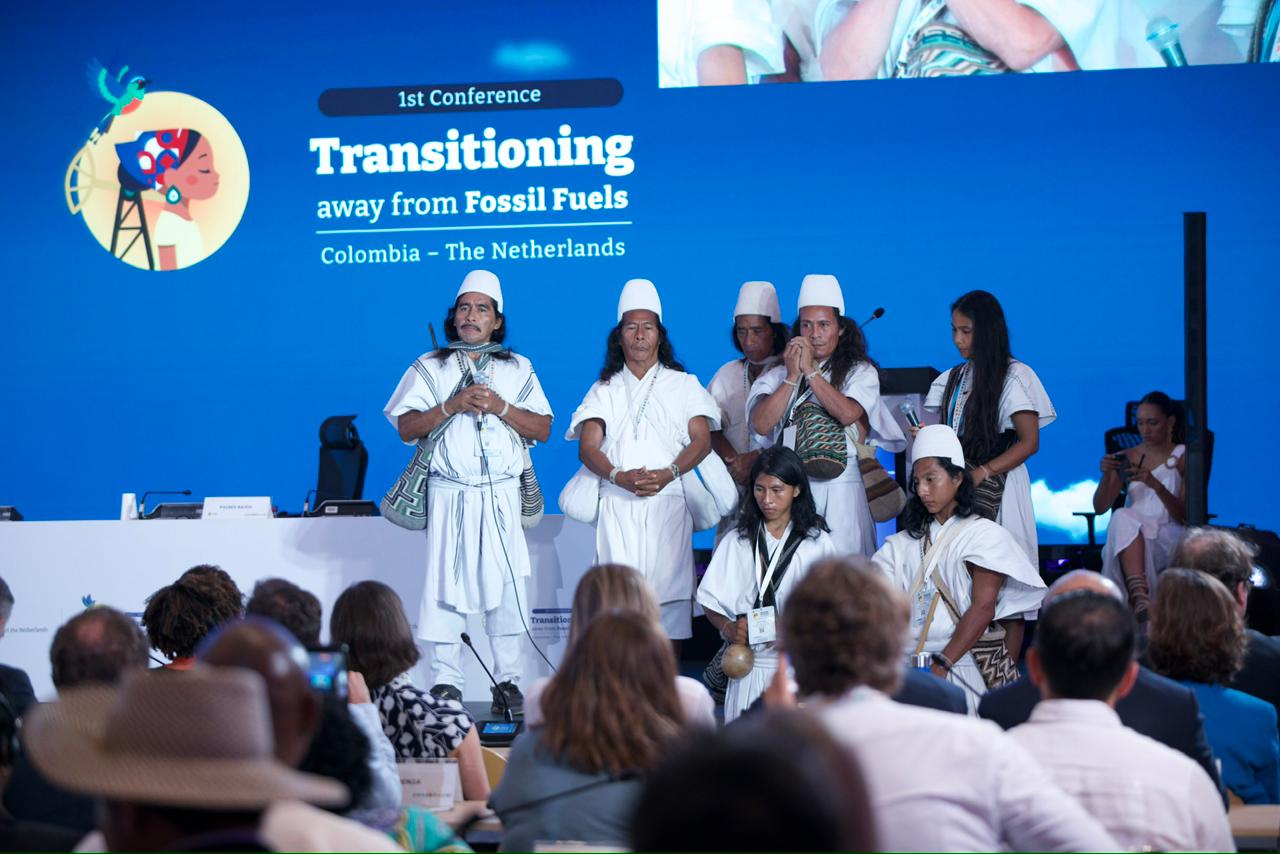
 With frustration at the stalled COP30 negotiations reaching fever pitch, and the need for a fossil fuel phaseout becoming increasingly urgent, a coalition of countries led by Colombia and the Netherlands, adopted a different approach. The First Conference on Transitioning Away from Fossil Fuels, held in April in Santa Marta, Colombia, emerged with a guiding tenet: Instead of debating whether to phase out fossil fuels, in Colombia, governments and civil society groups met to discuss how to do so most fairly and quickly. Four Center for Earth Ethics staff members—Clara Chavez-Ives, Rosie Semlyen, Samira Siddique and Tory Field—joined climate leaders, academics and government officials from around the world to chart a path to a world without fossil fuels.

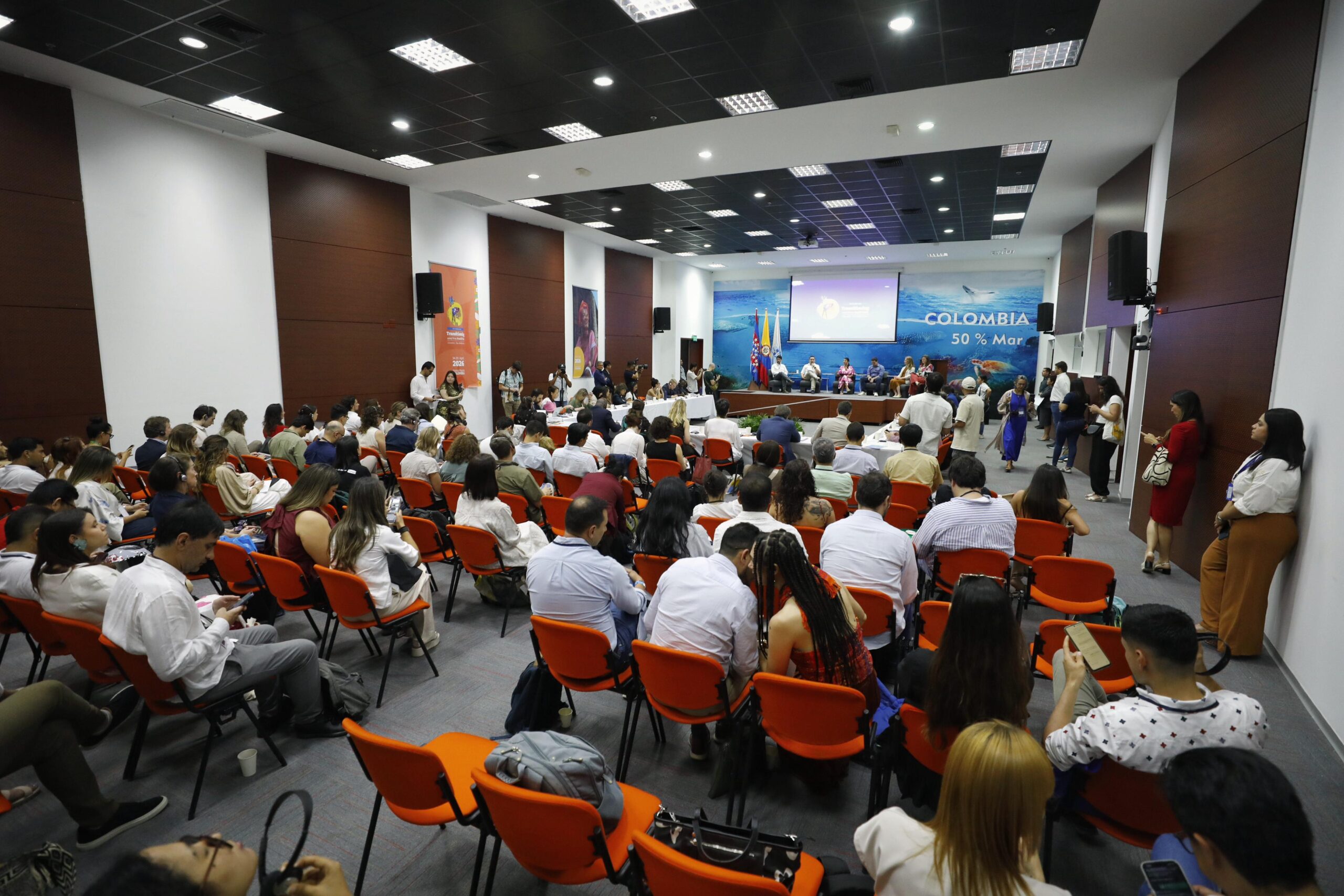
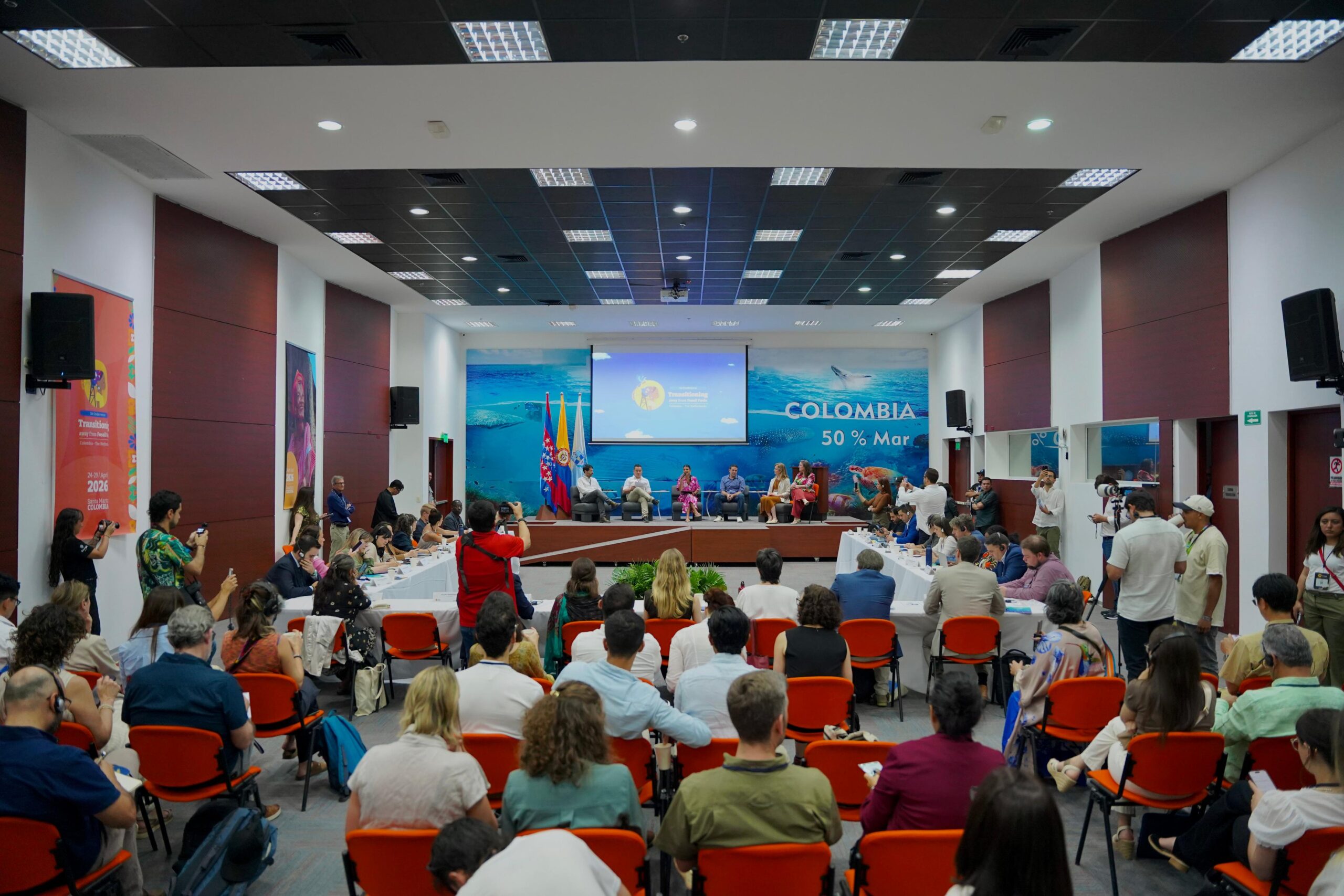
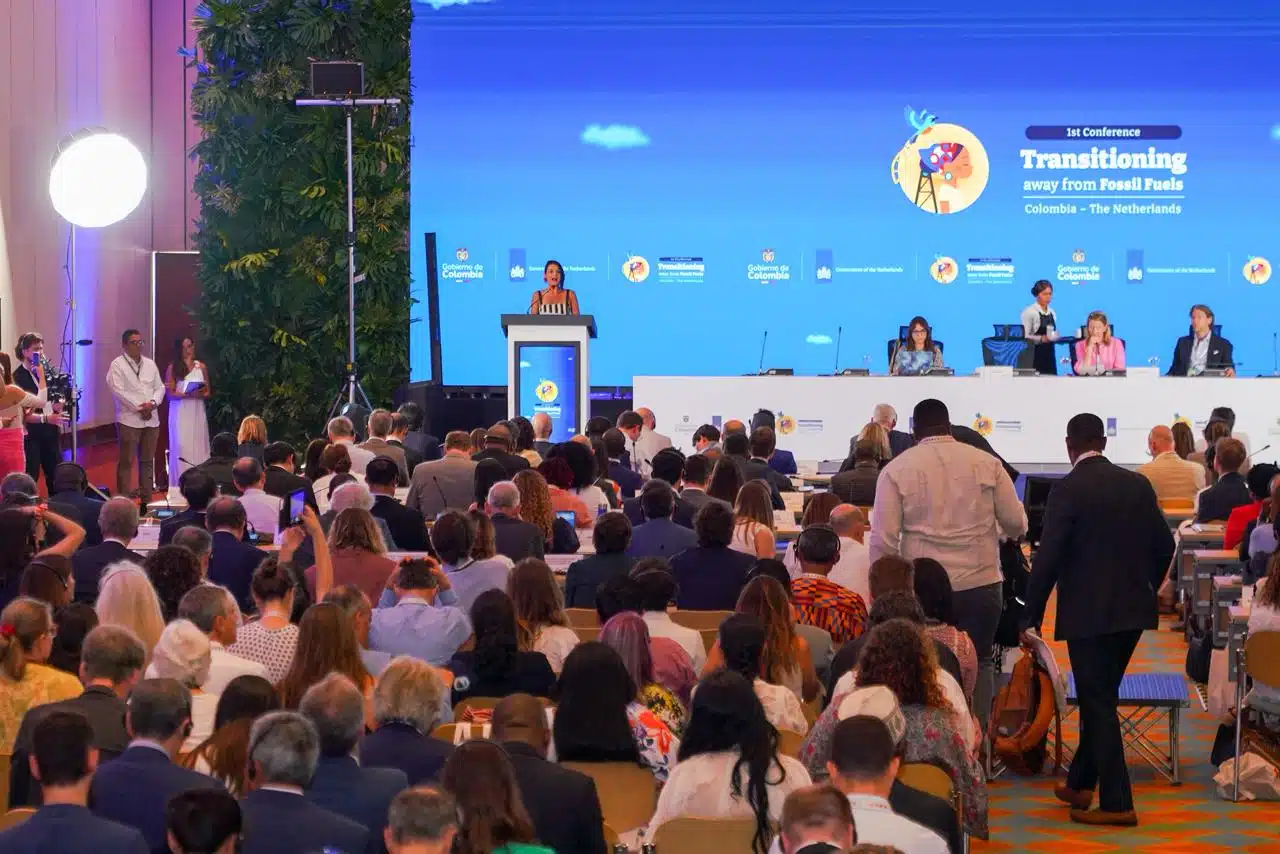
The Santa Marta conference had two parts: a three-day People’s Summit for a Fossil Free Future, where civil society gathered to align demands, and a two-day high-level segment, where 57 governments, a “coalition of the doers,” came together for an implementation-focused conference on fossil fuel phaseout. Efforts centered around three thematic pillars: overcoming economic dependence, transforming supply and demand, and advancing international cooperation and climate diplomacy.

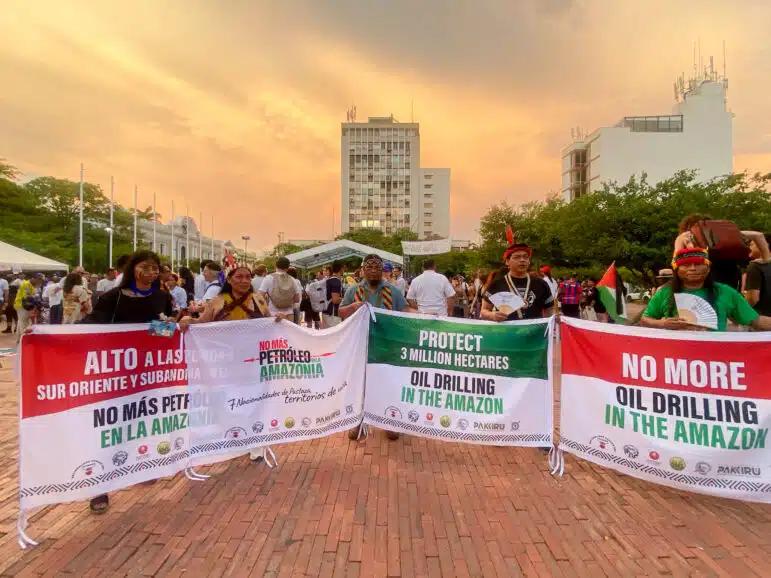
The People's Summit March

Civil Society Engagement

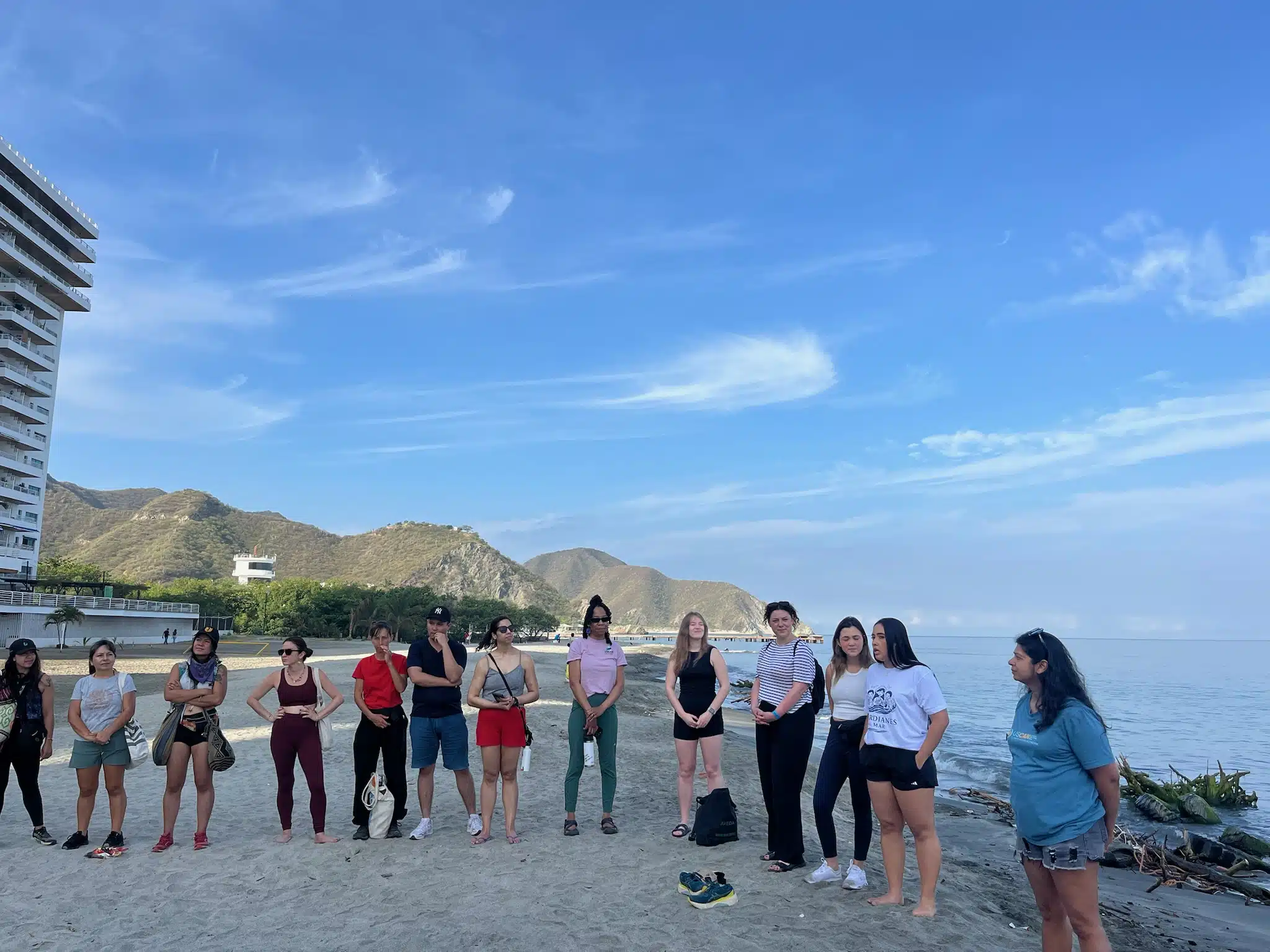
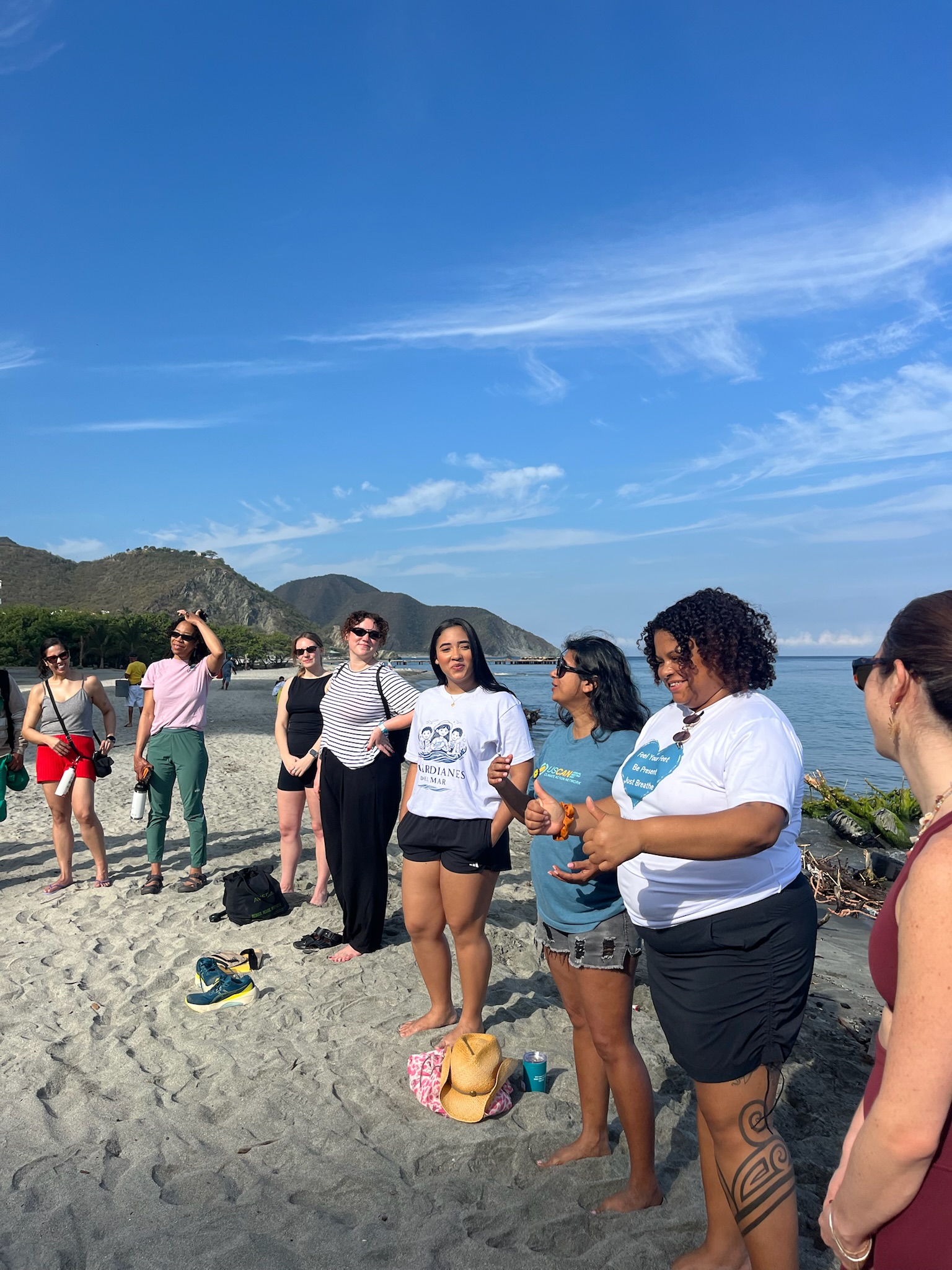
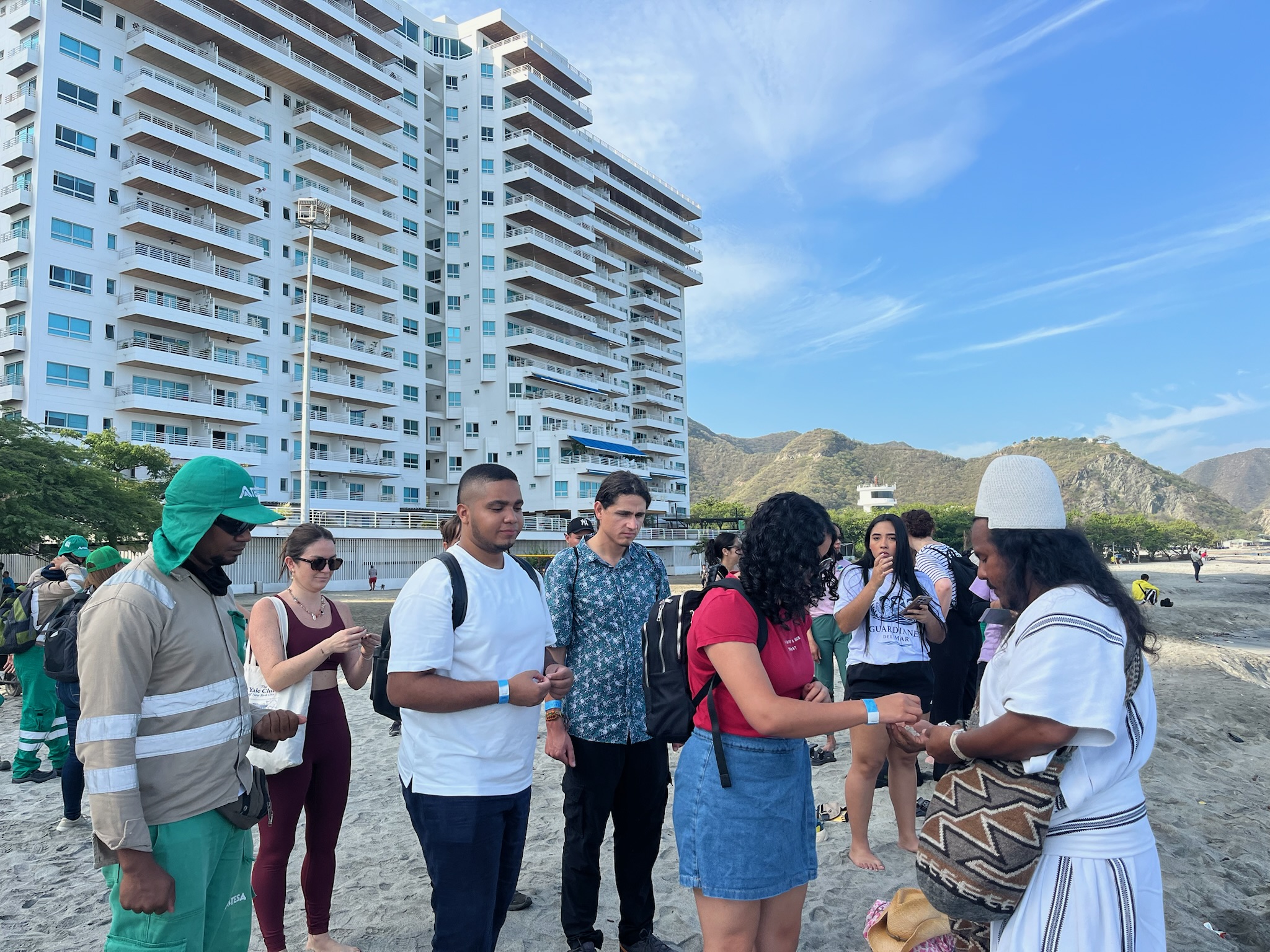
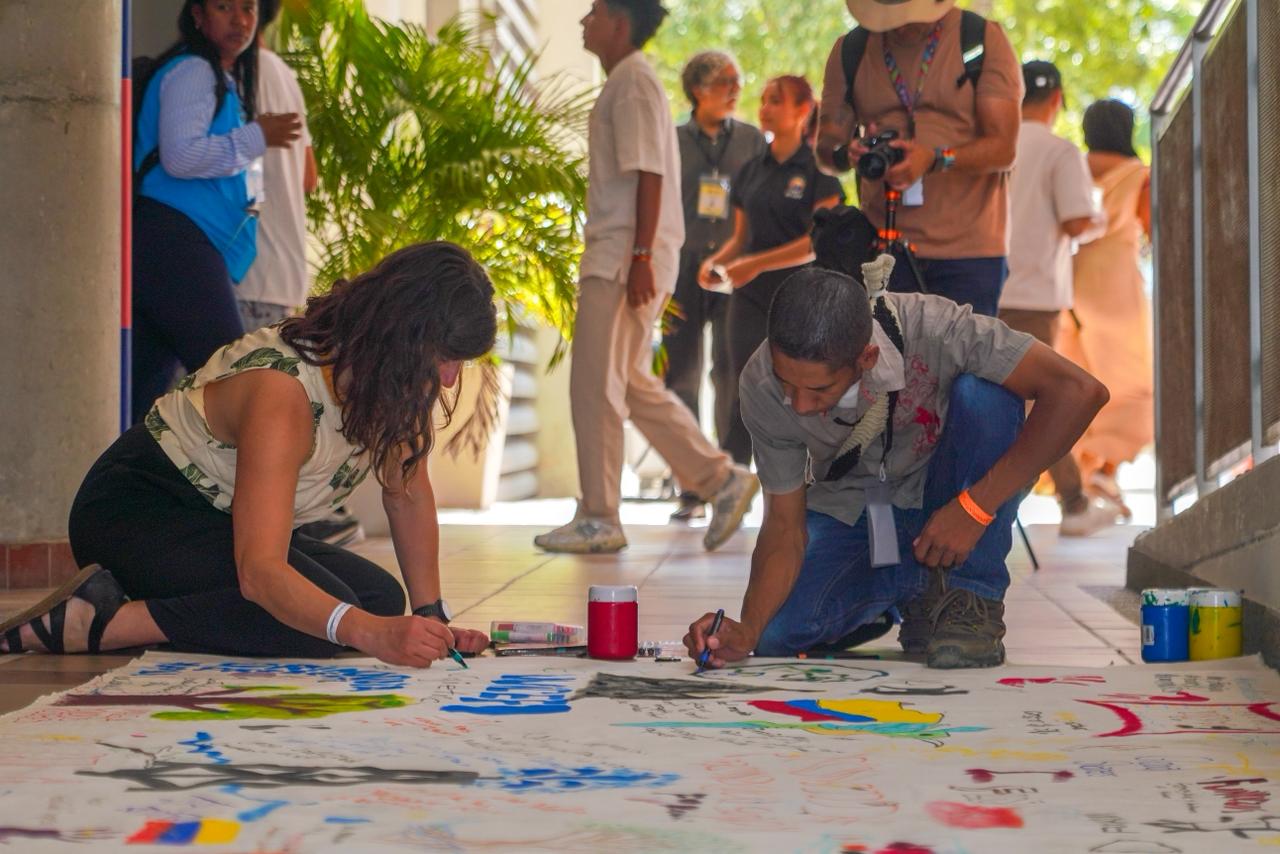
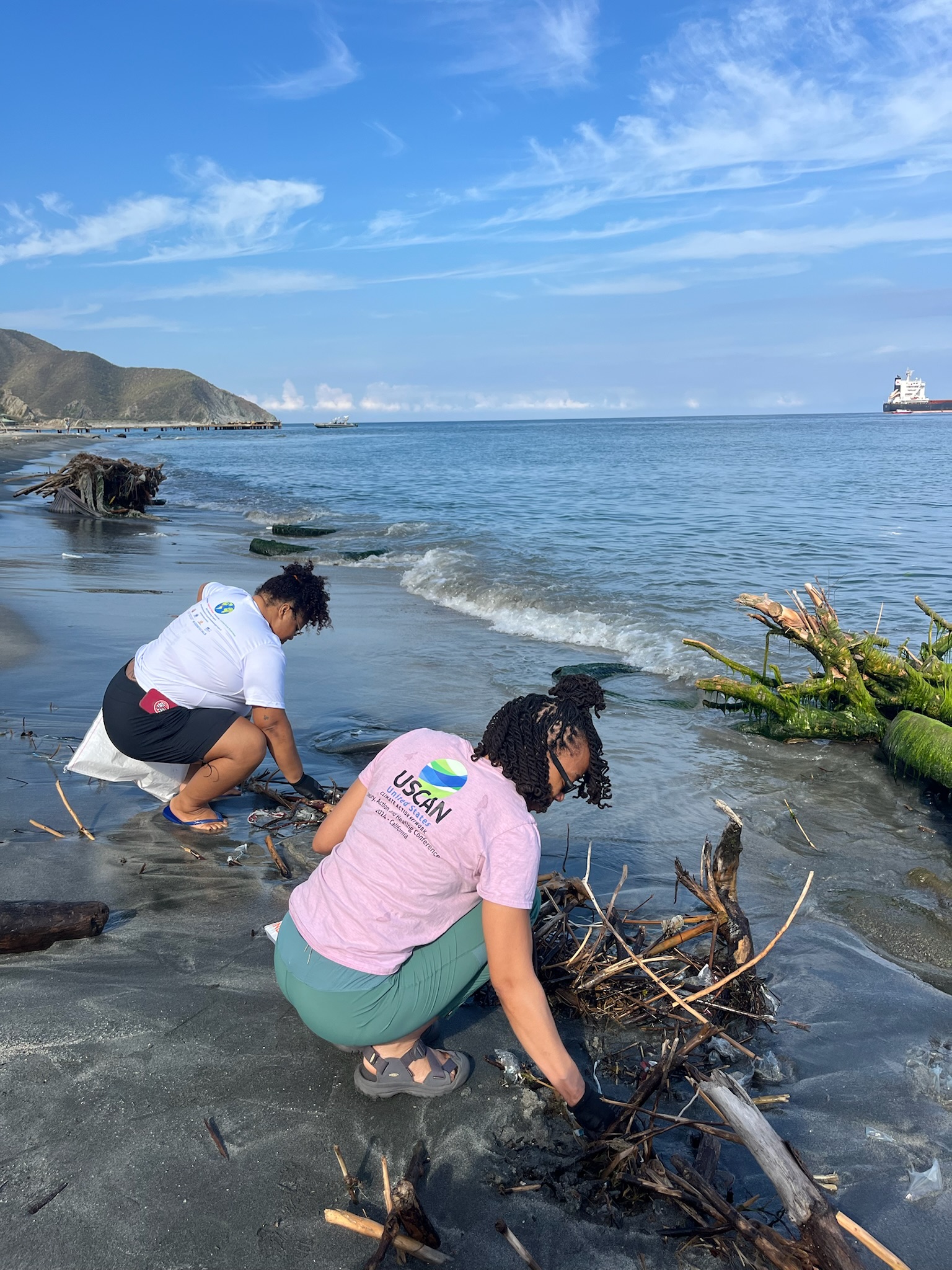
The CEE team focused their engagement on the People’s Summit, which included more than 1,000 organizations from around the world. On the summit’s first morning, CEE co-organized a mindful beach clean-up in downtown Santa Marta alongside AHAM Education, Project Dandelion, Barranquilla+20 Foundation, Guardianes del Mar, and Instituto de Pueblos, Territorios y Pedagogías para la Paz. The gathering was blessed by Jaison, an Indigenous elder from the Arhuaco tribe of the nearby Sierra Nevada de Santa Marta mountains. Workers from ATESA, the city’s sanitation service provider, joined the gathering.

The event was inspired by last year’s Global Ethical Stocktake (GES), which brought together youth, elders, Indigenous leaders, artists, philosophers, scientists and faith representatives to reflect on the deeper values that should guide climate action in the lead-up to COP30. Ahead of the summit, CEE produced a video highlighting voices from GES dialogues in North America, which underscored the moral imperative to transition away from fossil fuels.

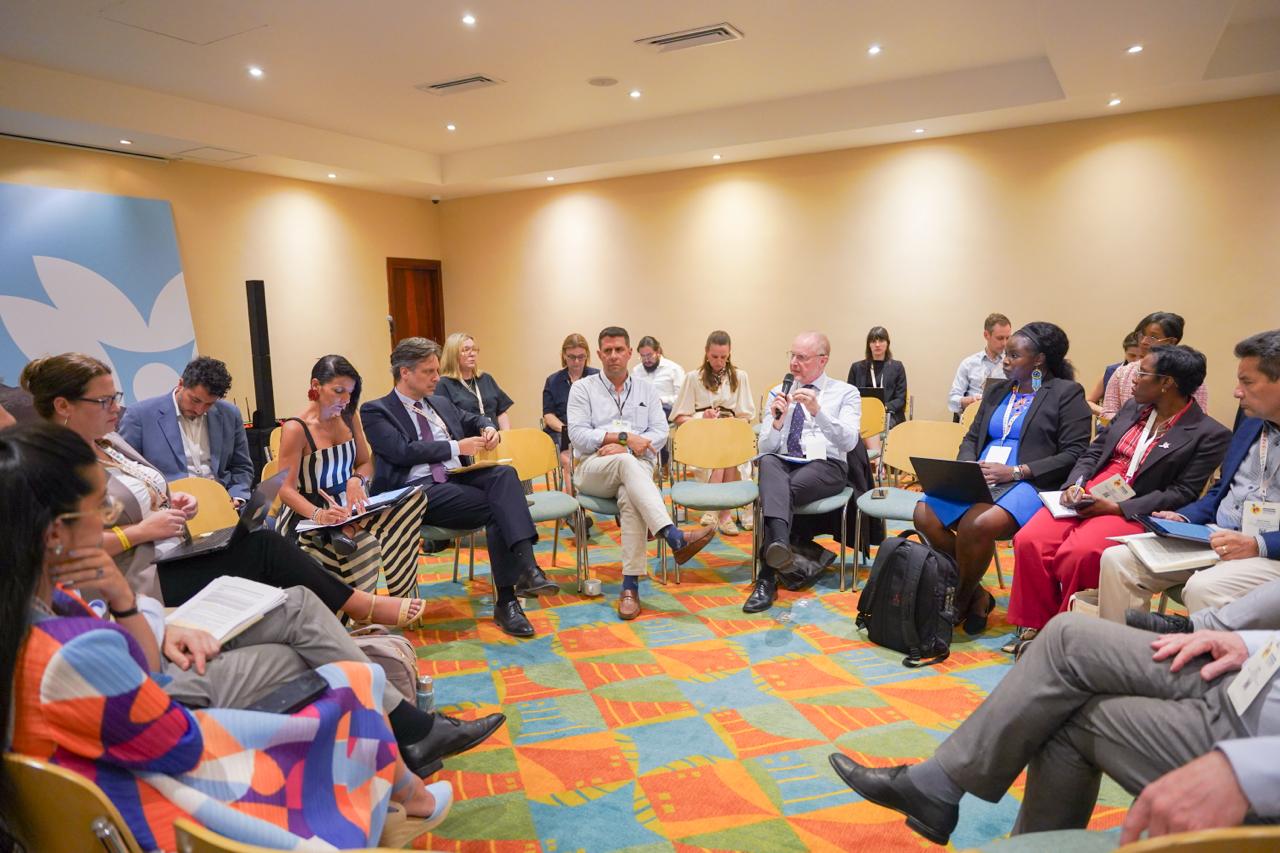
Months of virtual movement-building led up to the summit, with civil society organizers meeting to align their demands to governments and to articulate a common vision of a just transition. This groundwork culminated in regional and sectoral meetings in Santa Marta. CEE staff participated in the Beyond Extractivism workstream of the academic conference, the North America and Europe regional meeting, and the NGO, youth and women sectoral meetings.

Mindful beach clean-up

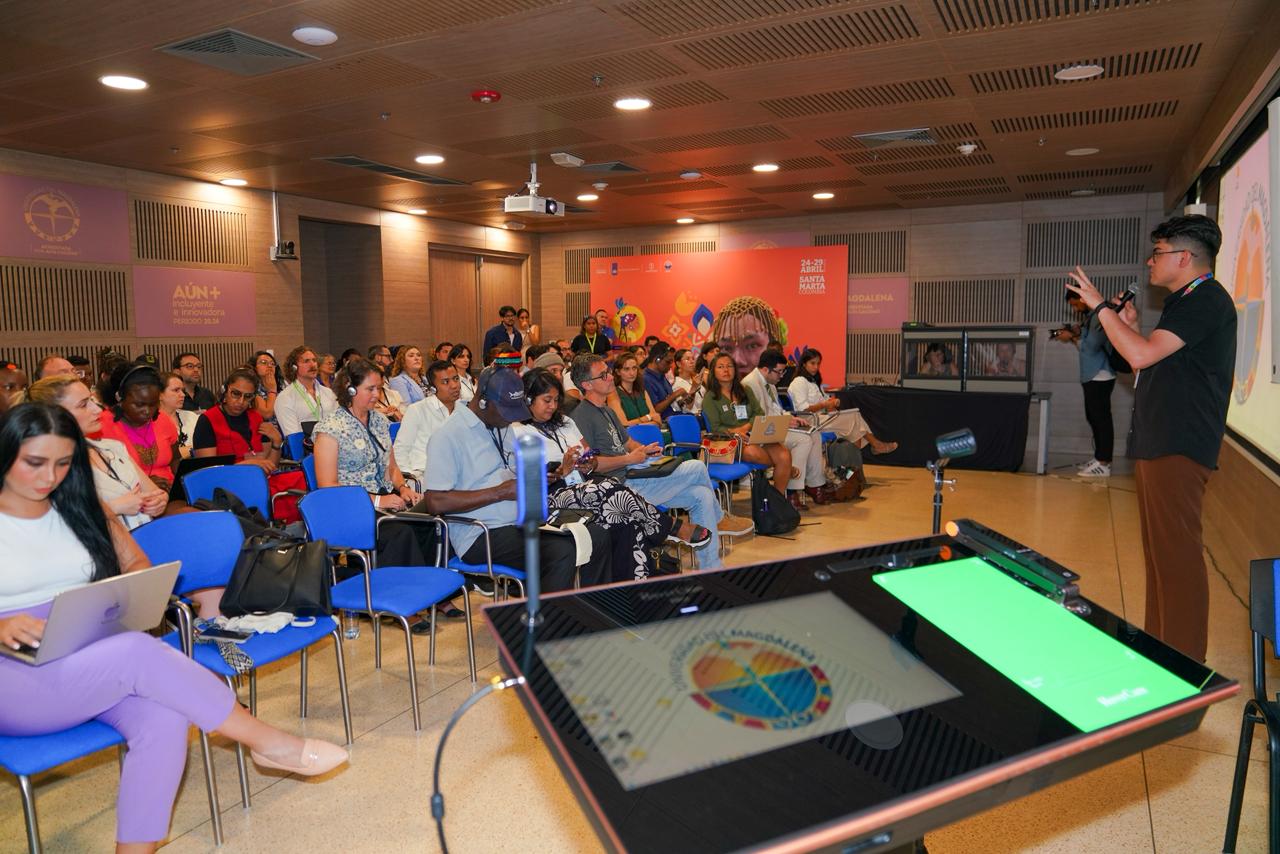
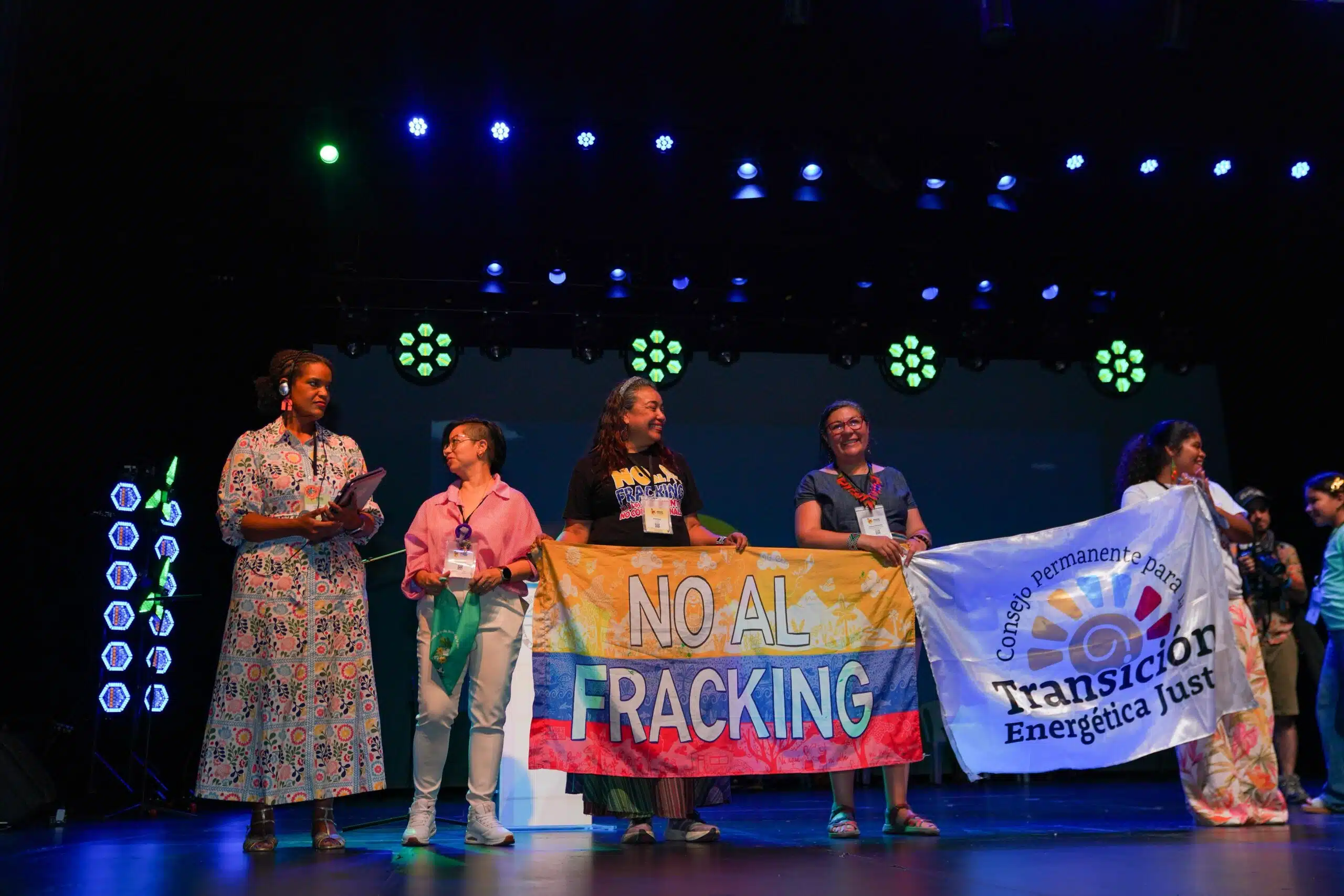
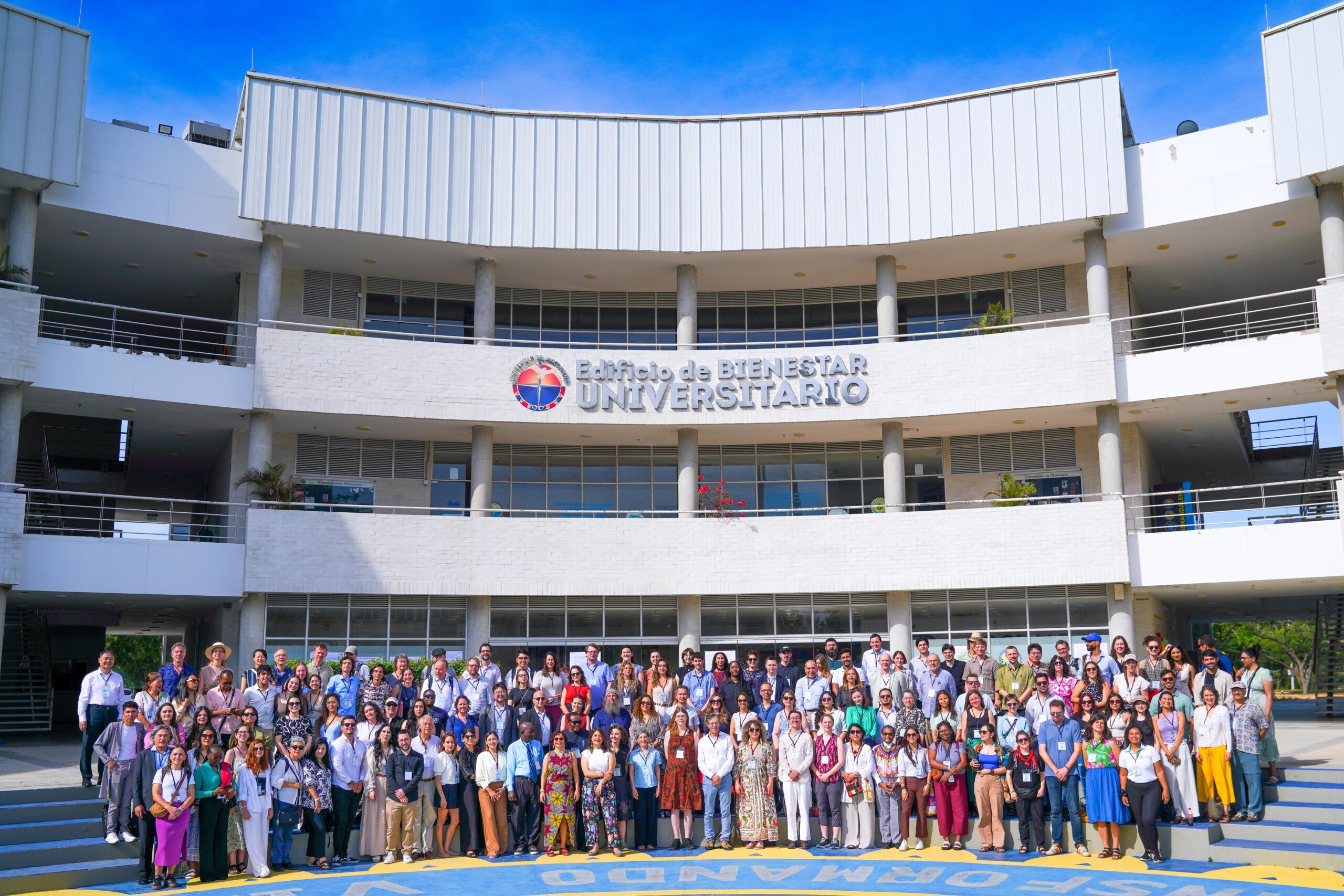
On the summit’s final day, all sectors and regions convened at the University of Magdalena to present the outcomes of the working groups. The Descendants Project co-founder Jo Banner, speaking on behalf of Afro-descendants, discussed environmental injustice in Cancer Alley, Louisiana, and called for the radical restructuring of trade and economies that puts people and planet over profit. The speaker representing the social movements coalition called for reparations, an end to false solutions and a fossil fuel phaseout rooted in systems change. The youth representative reiterated that youth, children and future generations are rights holders that should have power in decision-making processes.

Some regional representatives were more explicit in their demands. The Africa representative emphasized the continent’s debt burden, calling for international financial reforms and “grants, not loans.” The Palestinian speaker called for dismantling colonial infrastructures—and for more embargoes. 

Responding to current geopolitical tensions, several panels covered militarism and the role of fossil fuels in driving conflict. Susana Muhamad, former Minister of Environment and Sustainable Development of Colombia, highlighted how the creation of the petrodollar in the 1970s made oil a weapon of geopolitical power. Others decried how global military spending hit $2.7 trillion in 2024—30 times the amount of climate finance provided to vulnerable countries.

Instead of debating whether to phase out fossil fuels, in Colombia, governments and civil society groups met to discuss how to do so most fairly and quickly.

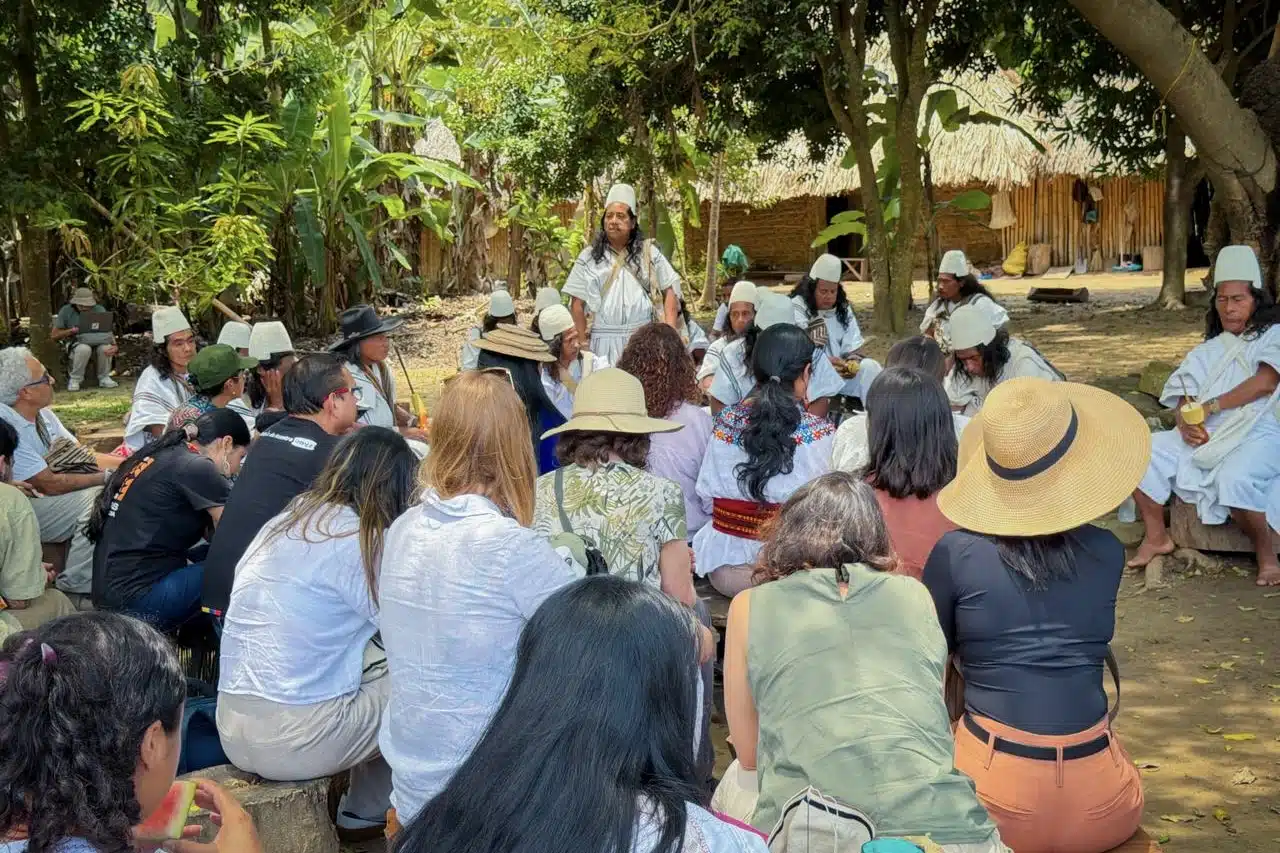
A Meeting of Spiritualities gathered faith communities to align demands, listed in a multifaith letter coordinated by the Faiths for a Fossil Free Future Coalition. Other programming focused explicitly on Indigenous spiritualities, including a discussion and short film screening about the spiritual traditions of the Kogi—one of the four main Indigenous communities of the Sierra Nevada de Santa Marta. The event explored how the ecological crisis and technology are changing their practices.

Social movement groups organized other actions, including a People’s Summit March and a blockade of Port Drummond, Colombia’s largest coal export terminal. Among the blockaders was the Climate Justice Flotilla, which arrived in Santa Marta after sailing through the Dutch Caribbean to witness “the impacts of climate change in vulnerable economies, dependent from fossil fuels and from extractive tourism, a symptom of structural colonial inequalities that are still to end and that block climate action.”

High-Level Segment

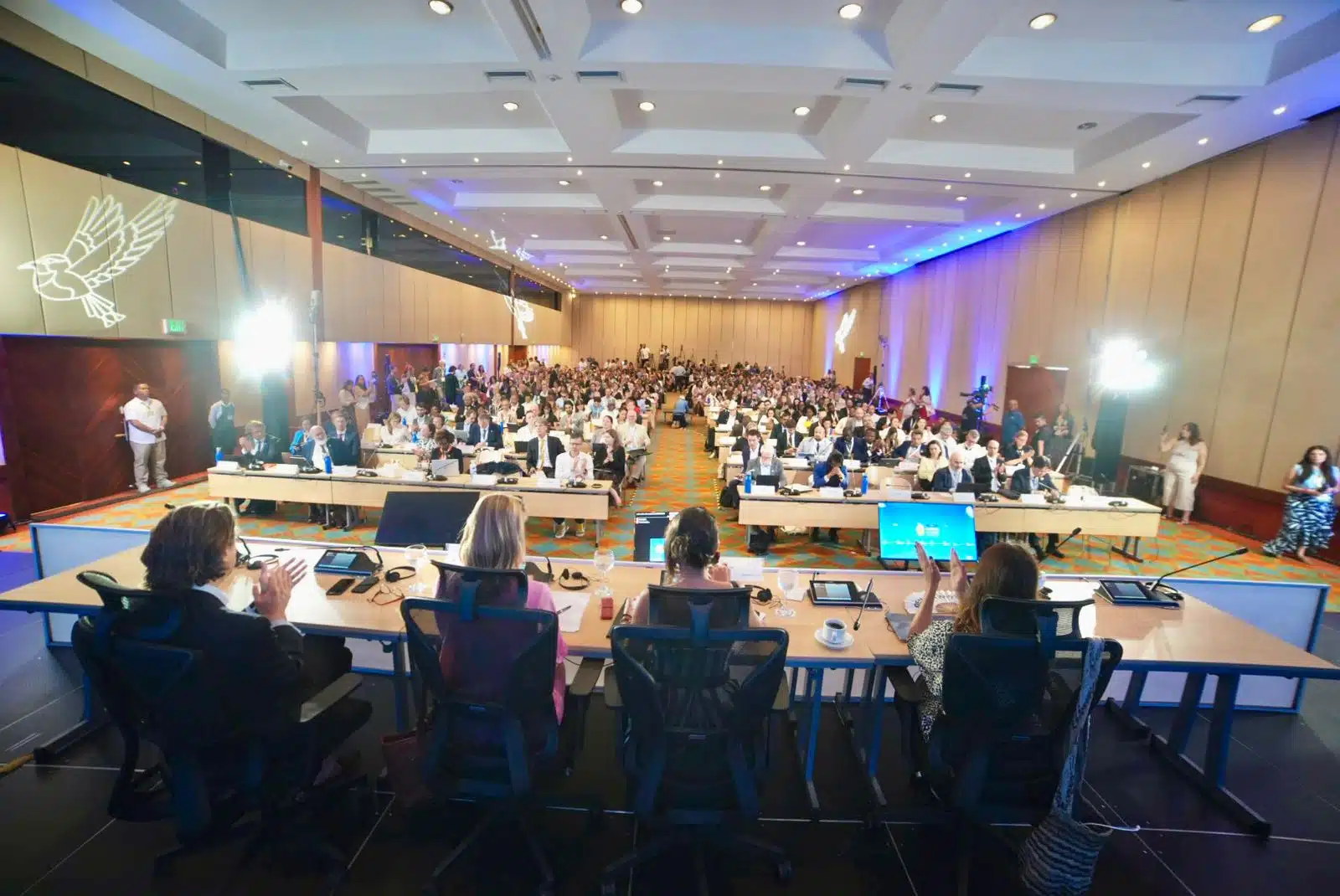
Fifty-seven countries, representing about one third of global GDP, participated in the conference’s two-day high-level segment (HLS). The governments announced that a coordination group will feed into the “COP30 Activation Group 4,” dedicated to “transitioning away from fossil fuels in a just, orderly and equitable manner.” Relatedly, the first conference leadership will submit a report to the COP30 Presidency in June. While the Santa Marta conference emerged from the constraints of the COP process, the new system is not a replacement. Rather, it looks to complement and enhance the ambition of UN transition efforts.

The HLS established three workstreams: work on roadmaps, work on macroeconomic dependencies and financial architecture, and work on producer-consumer alignment for fossil fuel transition. It also created the Science Panel for the Global Energy Transition (SPGET) to help develop transition roadmaps. The national and regional roadmaps could tie into countries’ climate plans under the UNFCCC, known as Nationally Determined Contributions. At the conference, France became the first country to publish its roadmap: phasing out coal by 2030, oil by 2045, and gas by 2050. 

Images courtesy of the First Conference on Transitioning Away from Fossil Fuels

While the conference addressed many of the shortcomings in the COP process, it drew criticism, especially regarding barriers to participation. The Colombian government failed to approve many visas for civil society participants from Asia and Africa. Furthermore, the HLS venue only fit around 250 people, resulting in highly restricted access for civil society representatives. 

Nonetheless, the meeting was largely hailed as a success. “Santa Marta showed there is political appetite for states to defossilize the global economy and embark in just transitions, but that momentum must now translate into concrete action rooted in human rights,” observed Candy Ofime, Amnesty International’s researcher and legal advisor on climate justice. “They put us in a format where we could not open our computers, so we had to speak from our minds and our hearts,” noted Juan Carlos Monterrey Gómez, Panamá’s special representative on climate change. “That completely flipped my perception. That kind of space I haven’t seen in my 10-year history with the UNFCCC.”

Santa Marta showed there is political appetite for states to defossilize the global economy and embark in just transitions, but that momentum must now translate into concrete action rooted in human rights.

What’s Next?

The Second Conference for the Just Transition Away from Fossil Fuels, co-hosted by Ireland,  will take place in 2027 in Tuvalu, a Pacific Small Island Developing State (SIDS). This choice carries particular weight. Despite being one of the most climate vulnerable regions, the Pacific is all too often sidelined in the COP process, exemplified by the drawn-out fight for loss and damage finance and the erasure of a “Pacific COP,” when Australia conceded COP31 hosting duties to Turkey. With Tuvalu at the helm, the Second Conference promises to center Pacific priorities, like The Tassiriki Call for a Fossil Fuel Free Pacific, which offered “a powerful new regional framework affirming the Pacific’s shared vision for a Fossil Fuel Free Pacific and outlines immediate steps to transition to resilient, 100% renewable energy economies.” 

As the phaseout conversation moves from Colombia to Tuvalu, expanding the circle of inclusion will be crucial. The need for meaningful Global South and civil society participation should influence when, how and which new countries are brought into the coalition. Despite the historic nature of this conference and its potential to push COP towards more ambitious negotiated outcomes, by design the vast majority of fossil fuel producing countries—including the United States, China, and Saudi Arabia—were not present. While this allowed for more productive conversations than COP, eventual buy-in from these heavyweights will be critical to transform the global economy.

Nonetheless, the conference and the movement building that led up to it are a tremendous step forward in the journey to phase out fossil fuels.