
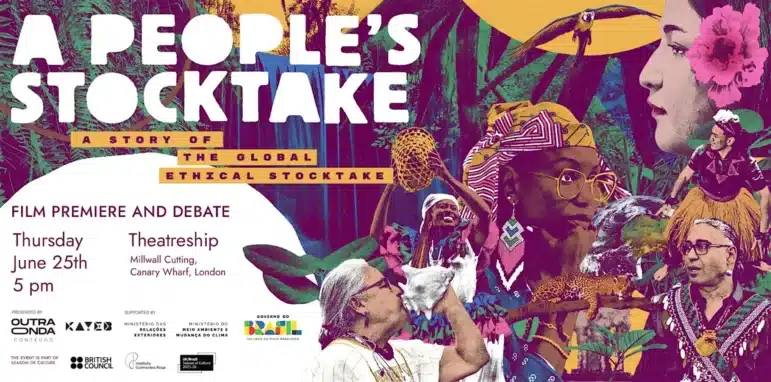
A Moral Intervention: Global Ethical Stocktake Documentary Premiere Launches New Phase of International Initiative
On Monday, June 22, leaders from the Brazilian government and the Global Ethical Stocktake network gathered for the world premiere of “A People’s Stocktake—A Story of the Global Ethical Stocktake.” The feature-length documentary, whose release coincided with London Climate Action Week, details the 2025 GES dialogues, which elevated the moral, ethical, philosophical and cultural dimensions of the climate crisis ahead of COP30, the UN’s 2025 climate conference.
Under the formal leadership of Brazilian President Luiz Inácio Lula da Silva and UN Secretary-General António Guterres, with key support from the COP30 Presidency, the Brazilian Ministry of Environment and Climate Change and the UNFCCC, the GES was a moral intervention that assessed not only what collective human behavior is doing to the Earth, but also what insights and inspiration can be brought forth from a diverse set of strong voices that includes the communities who are most affected.
By integrating ethics into climate negotiations, the GES dialogues aimed to support the implementation of the Paris Agreement by rooting action in values, justice and conscience. This process included six high-level Regional Dialogues in Africa, Europe, North America, Asia, Oceania, and Central and South America and the Caribbean—in addition to hundreds of grassroots self-organized dialogues around the world
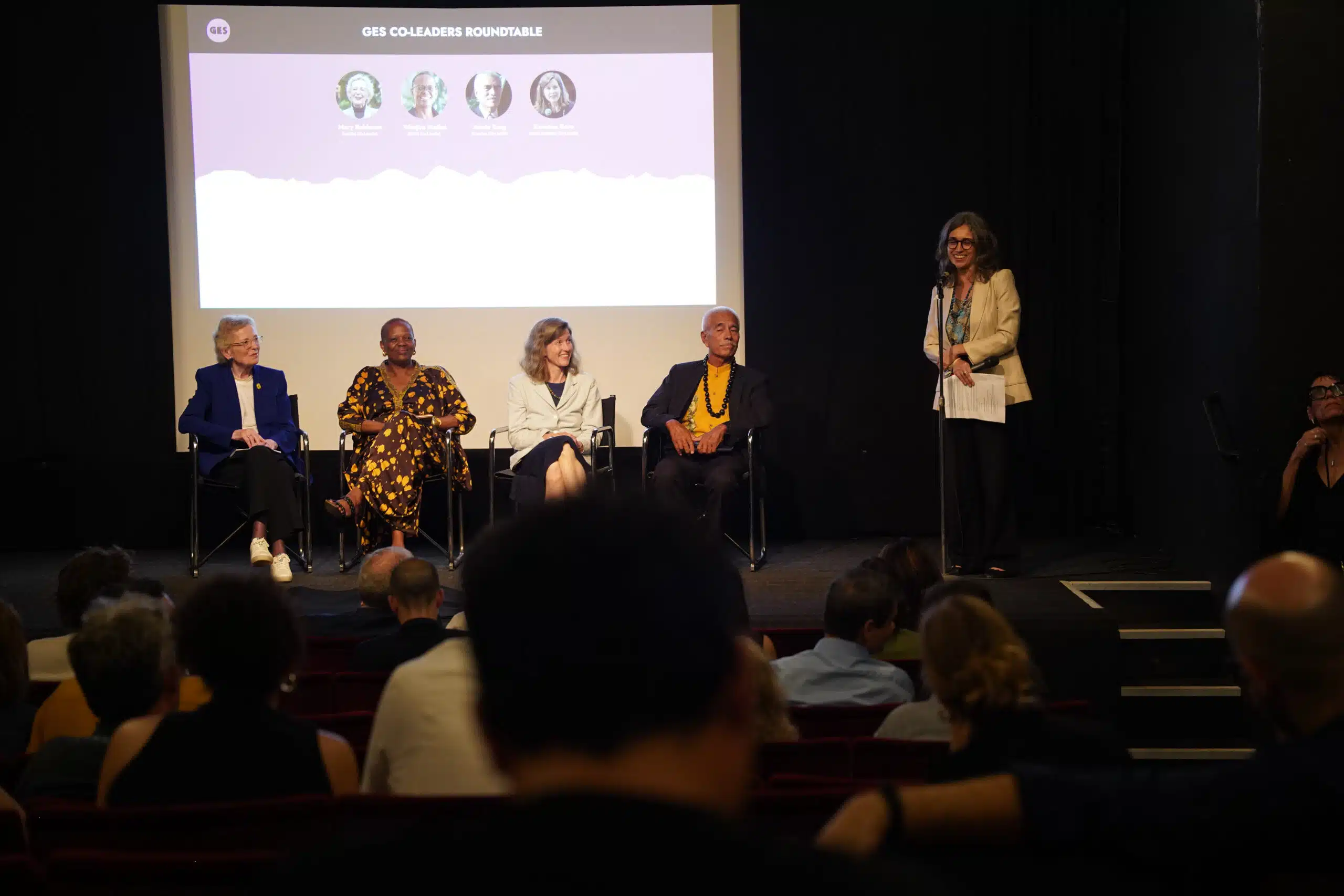
The documentary’s premiere brought together key leaders, including Brazil’s Minister of the Environment and Climate Change, João Paulo Capobianco, COP30 CEO Ana Toni—and Brazil’s former Minister of the Environment and Climate Change Marina Silva, whose leadership was instrumental in the 2025 dialogues. The film’s directors, Leonardo Menezes and Eduardo Carvalho from Outra Onda Conteúdo, spoke about the film’s scope and significance.
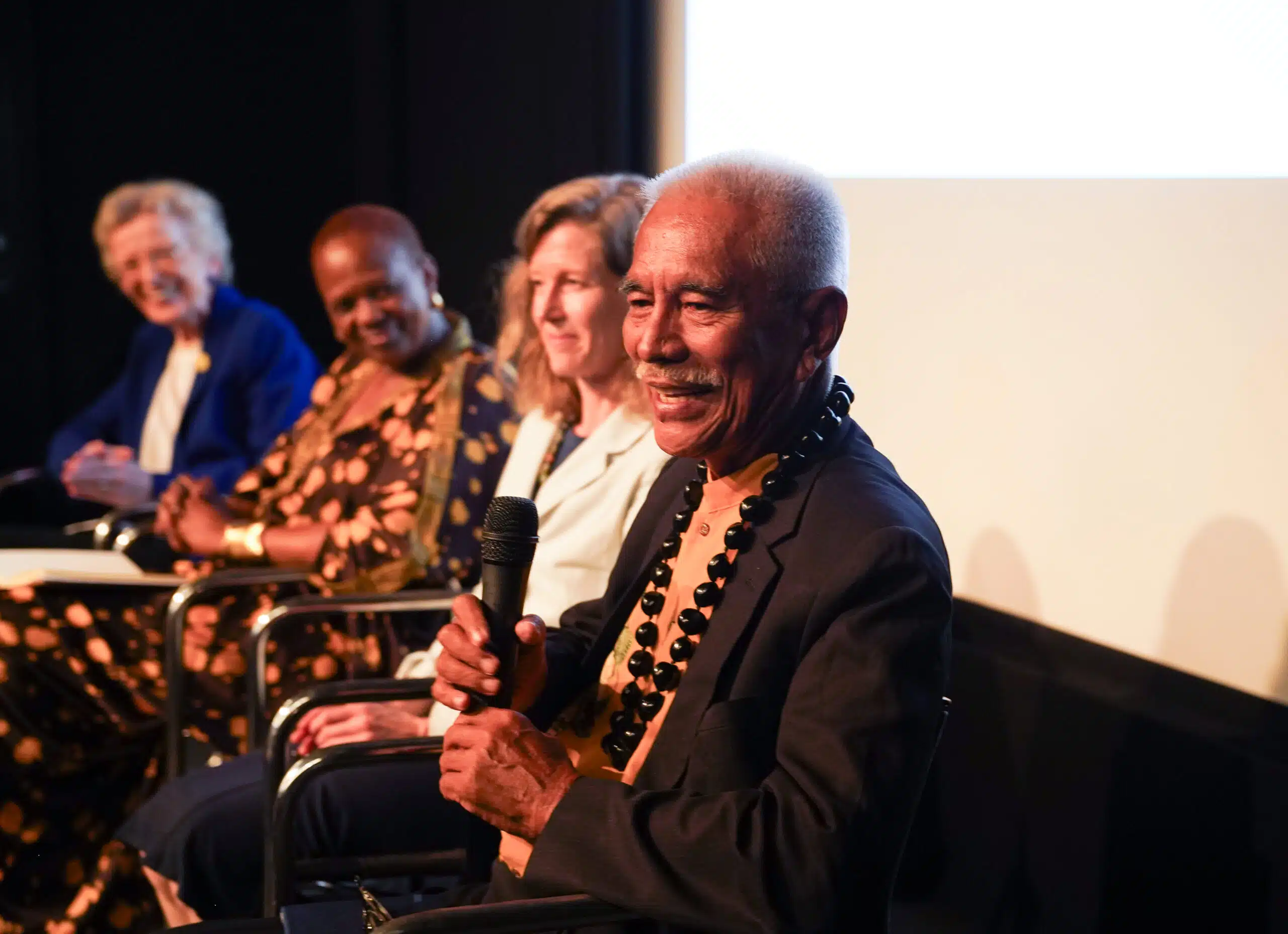
CEE Executive Director Karenna Gore, who co-led the North America Dialogue, joined other Regional Dialogue co-leaders—including African climate justice leader Wanjira Mathai, former President of Ireland Mary Robinson and former President of Kiribati Anote Tong—for a panel discussion on the intersection of ethics, social justice and climate implementation.
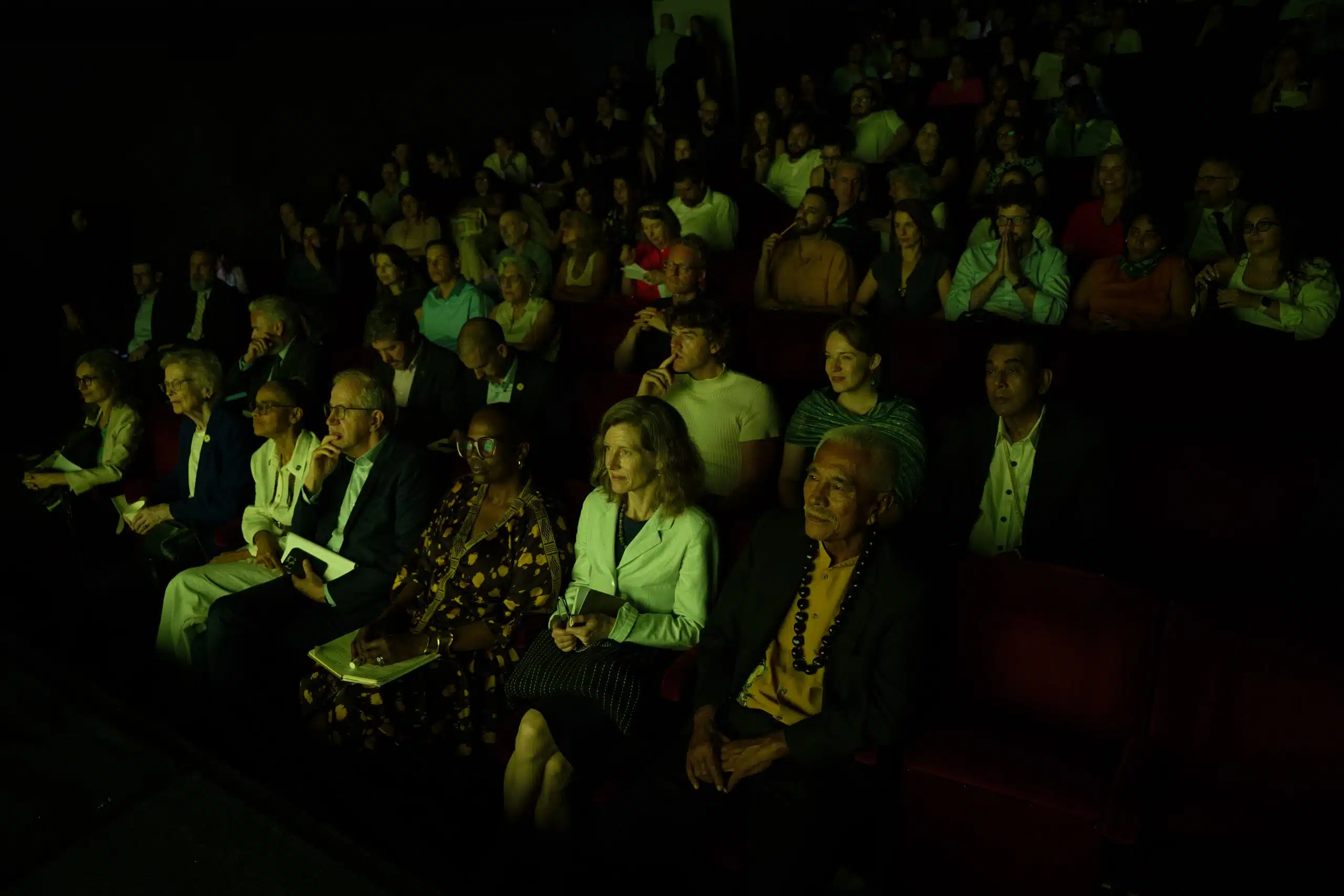
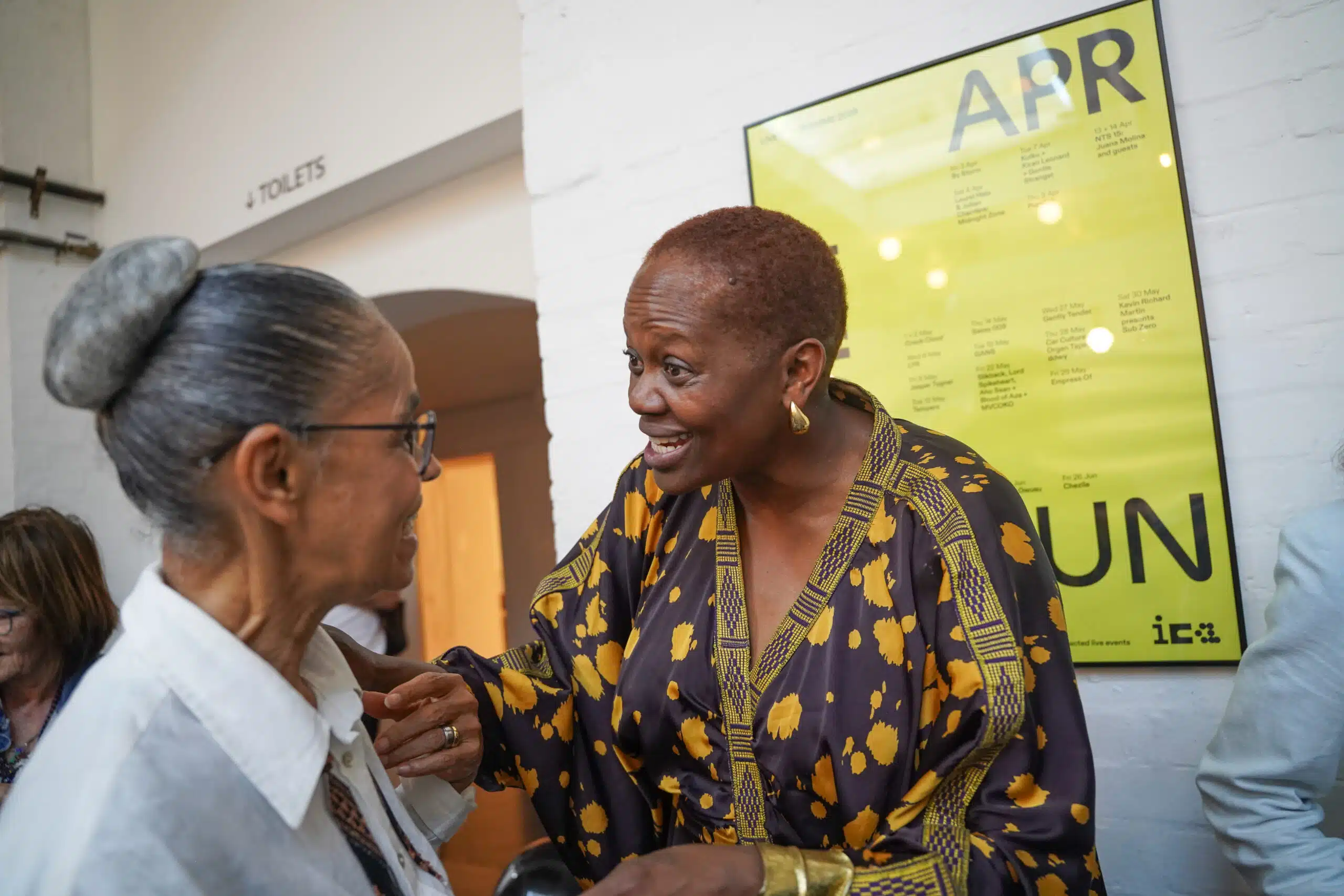
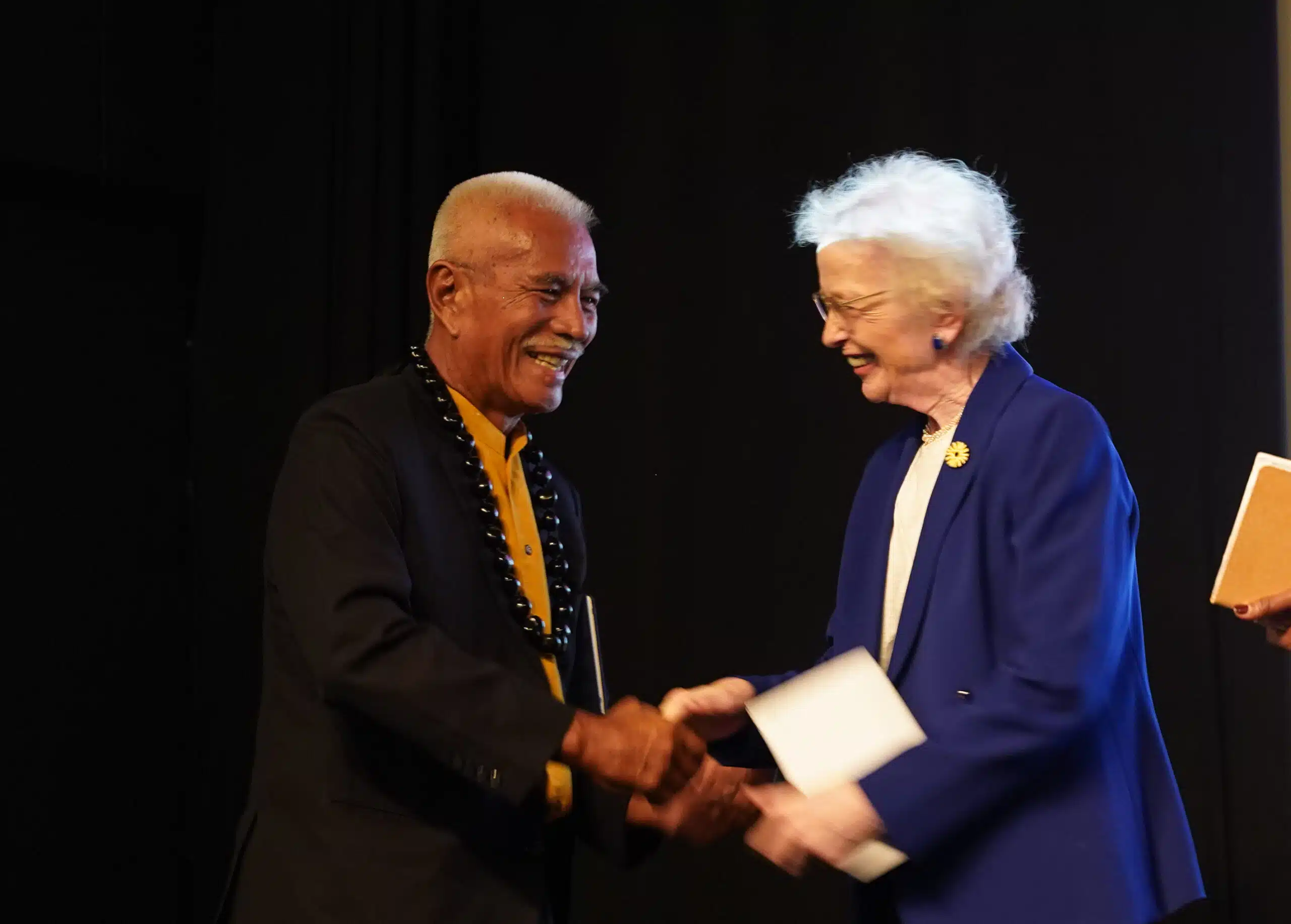
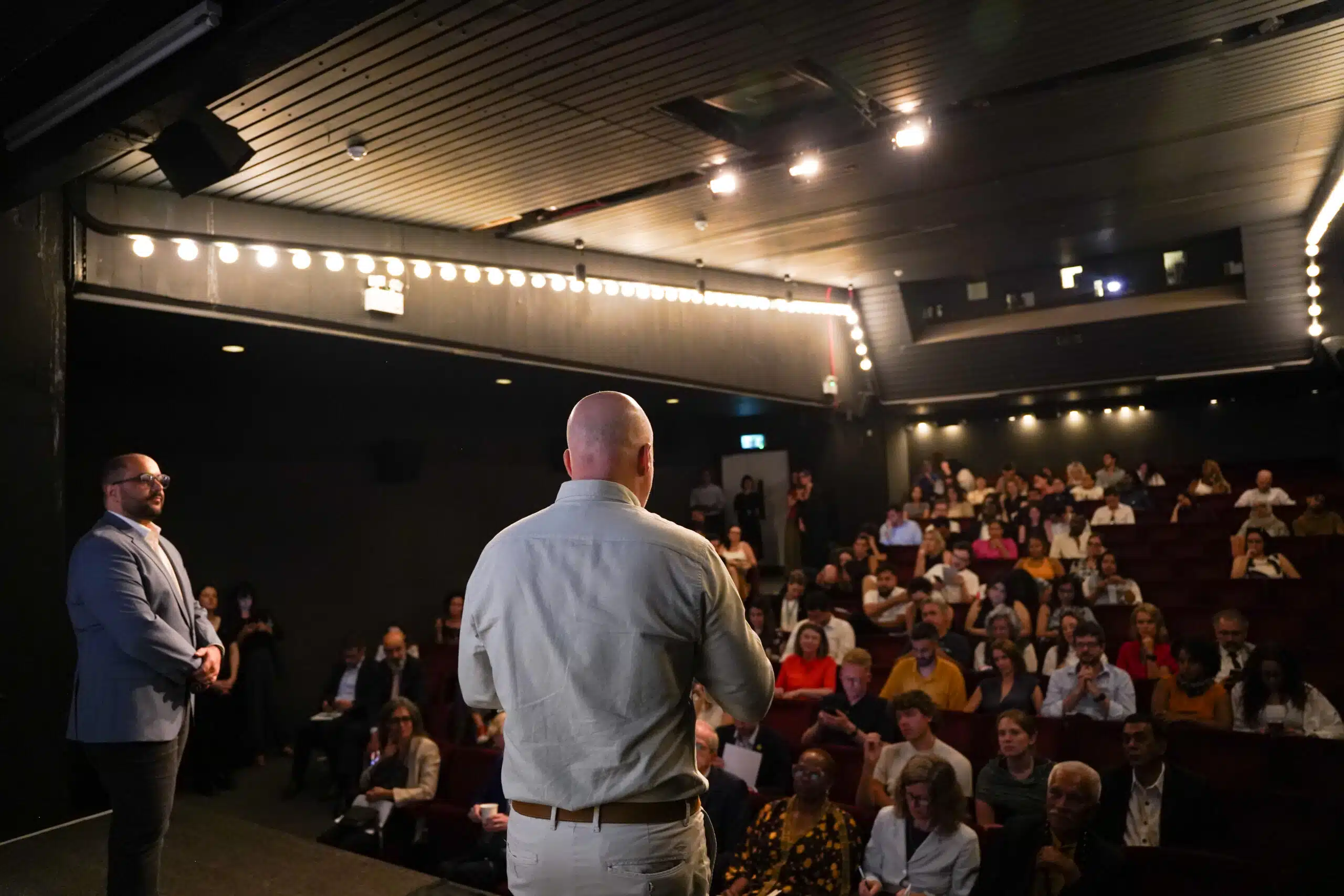
In a recent op-ed for Daily Nation, Mathai hailed the documentary as “a reminder that the climate crisis is not only a failure of technology or policy but rather a failure of moral imagination.” She also noted another presence at the event: an extreme heat wave, with record high temperatures not only in the United Kingdom, but throughout Europe. The heat wave was a striking reminder for why the moral reckoning on the climate crisis that the GES invites cannot wait.
The event also marked the institutional launch of the Global Ethical Stocktake as an ongoing international initiative. By working to incorporate the GES into the official process for the United Nations Framework Convention on Climate Change (UNFCCC), organizers seek to continue the work begun in the 2025 dialogues: ensuring that international climate negotiations are guided by a moral compass.
Marina Silva voiced her hope that this next phase of the Global Ethical Stocktake would “inspire new leaders to keep this ethical reflection alive.” “May the GES continue as a permanent endeavor,” she said.
