
“We must not be silent”
Hundreds Gather at Riverside Church to Voice Truth on Climate
The lethal consequences of the climate crisis fill today’s headlines. This year alone, a collapsing glacier unleashed flooding that has killed or displaced thousands of people in Nepal and Tibet. Drought and record heat have led to more than 26,000 excess deaths in Western Europe. Smoke from more than 900 Canadian wildfires has contaminated air across North America. The Colorado River, Lake Powell and Lake Mead are at historic lows, imperiling water supplies for at least seven Western states. Behind each of these numbers are lives, homes and livelihoods.
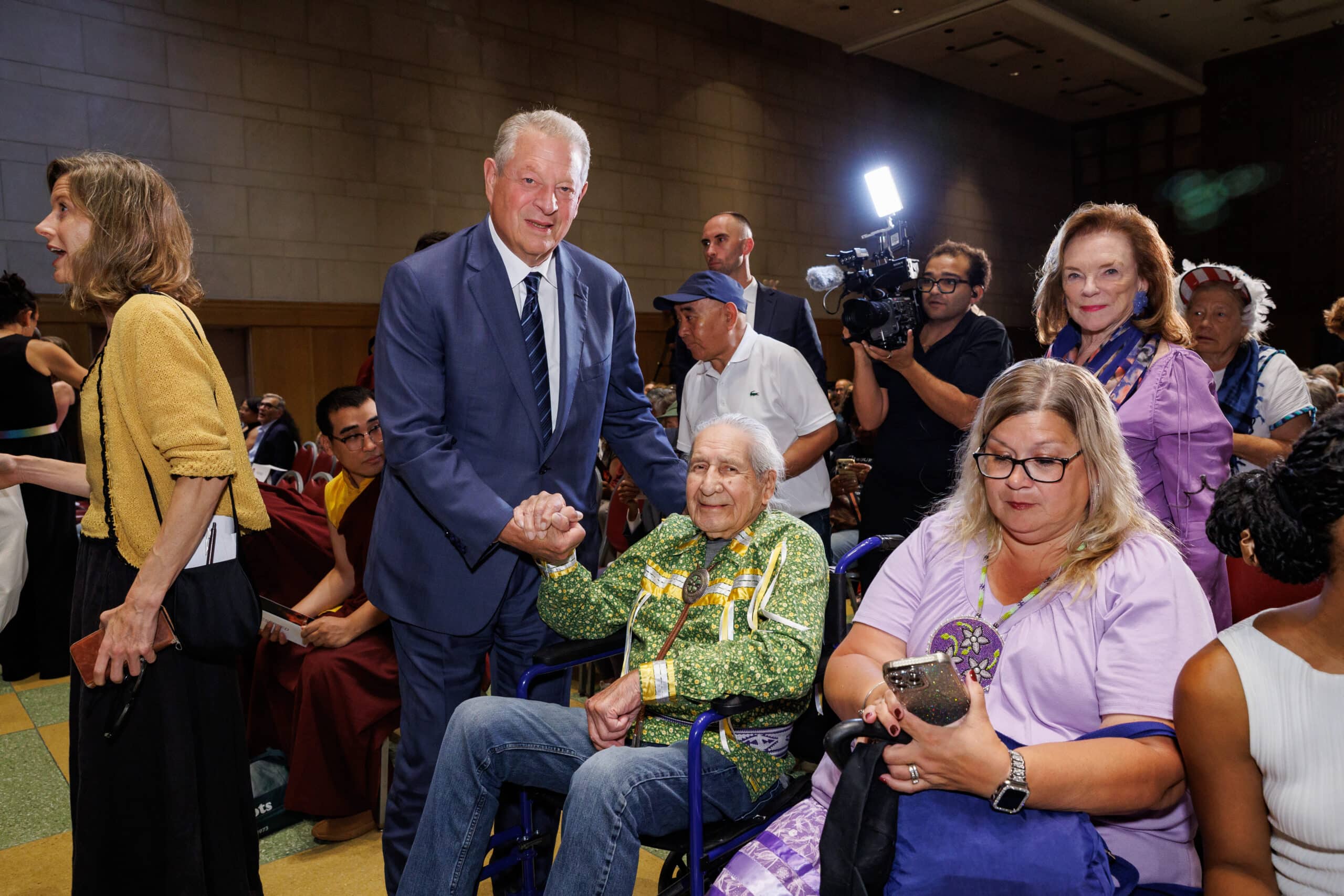
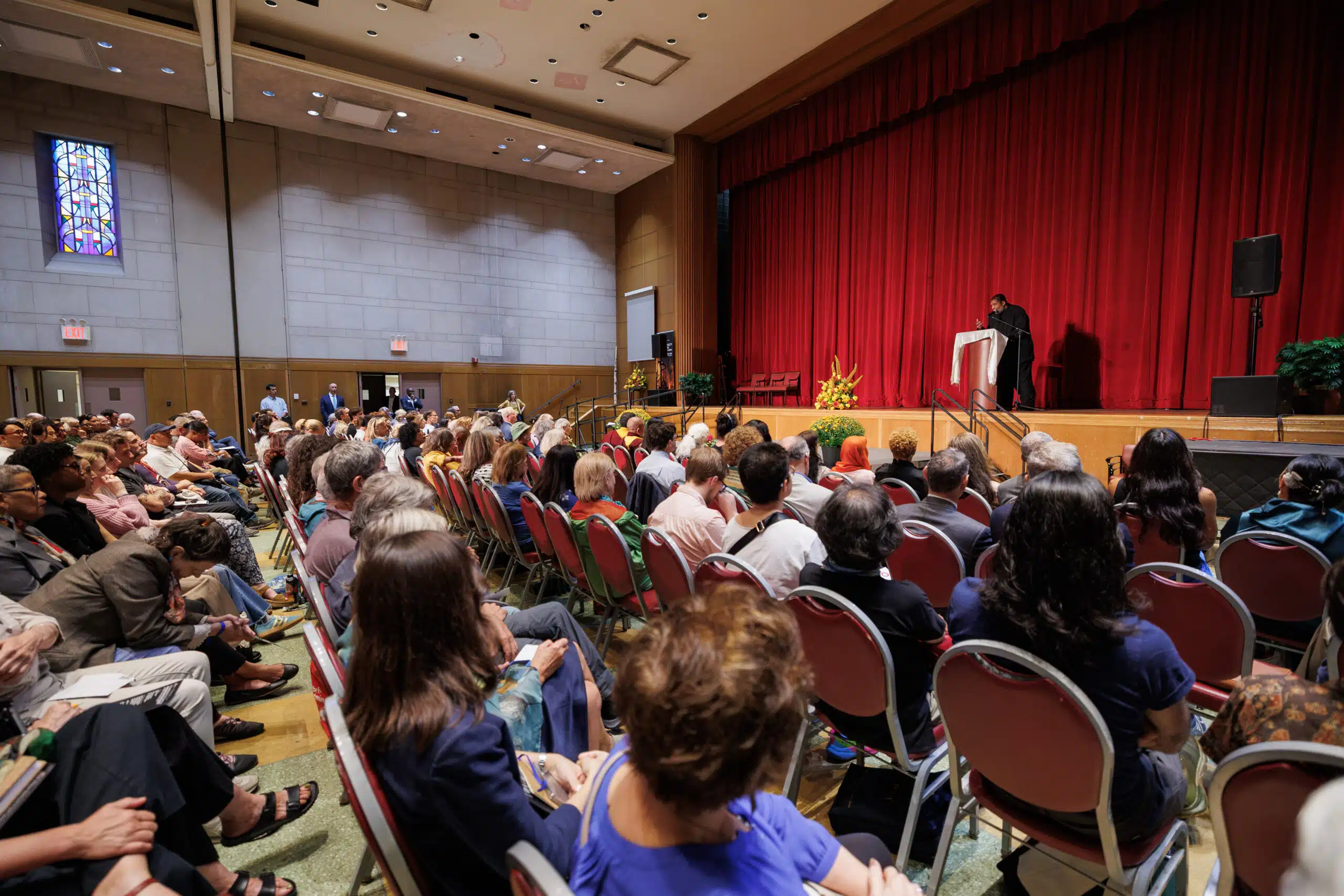
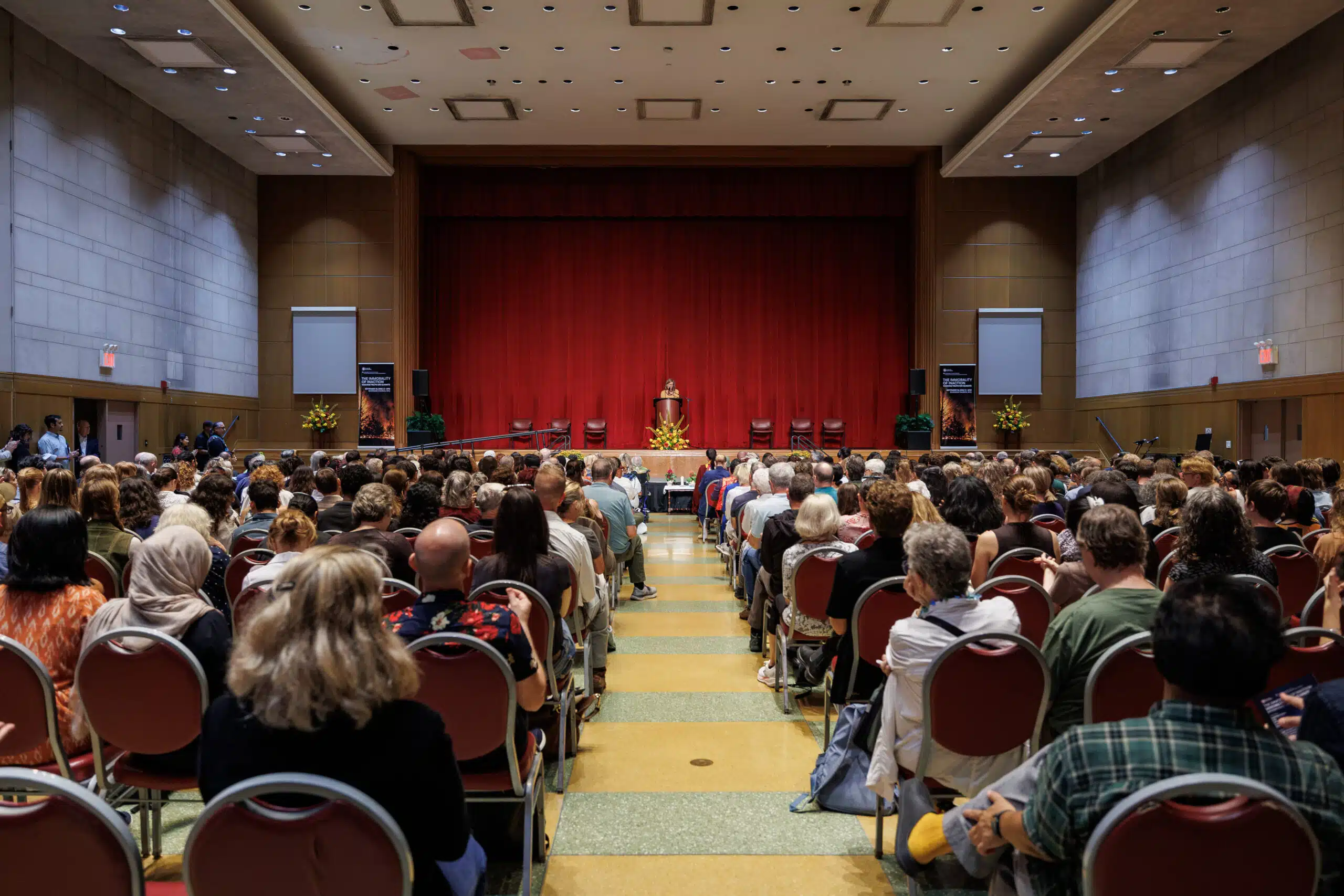
This catastrophic reality—and the world’s inadequate response to it—formed the backdrop for “The Immorality of Inaction: Voicing Truth on Climate,” on Friday, September 18, at the historic Riverside Church in Manhattan. Nearly 500 faith leaders, Indigenous leaders, community organizers, activists and advocates, students and teachers filled the church’s South Hall for a convening and call-to-action, held in the lead up to NYC Climate Week 2026 and the annual meeting of the United Nations General Assembly.
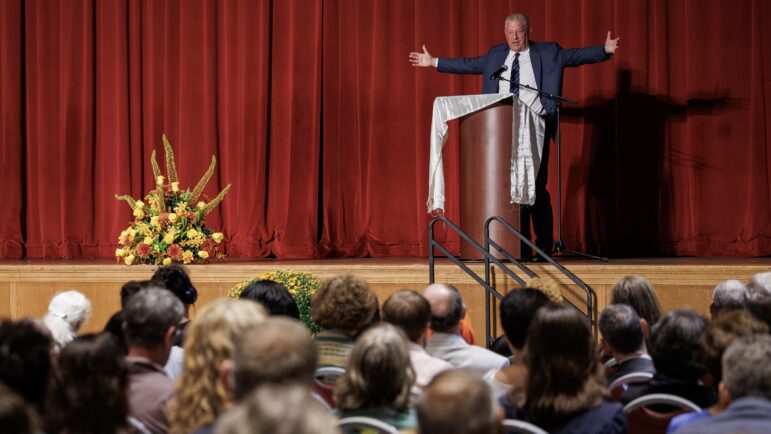
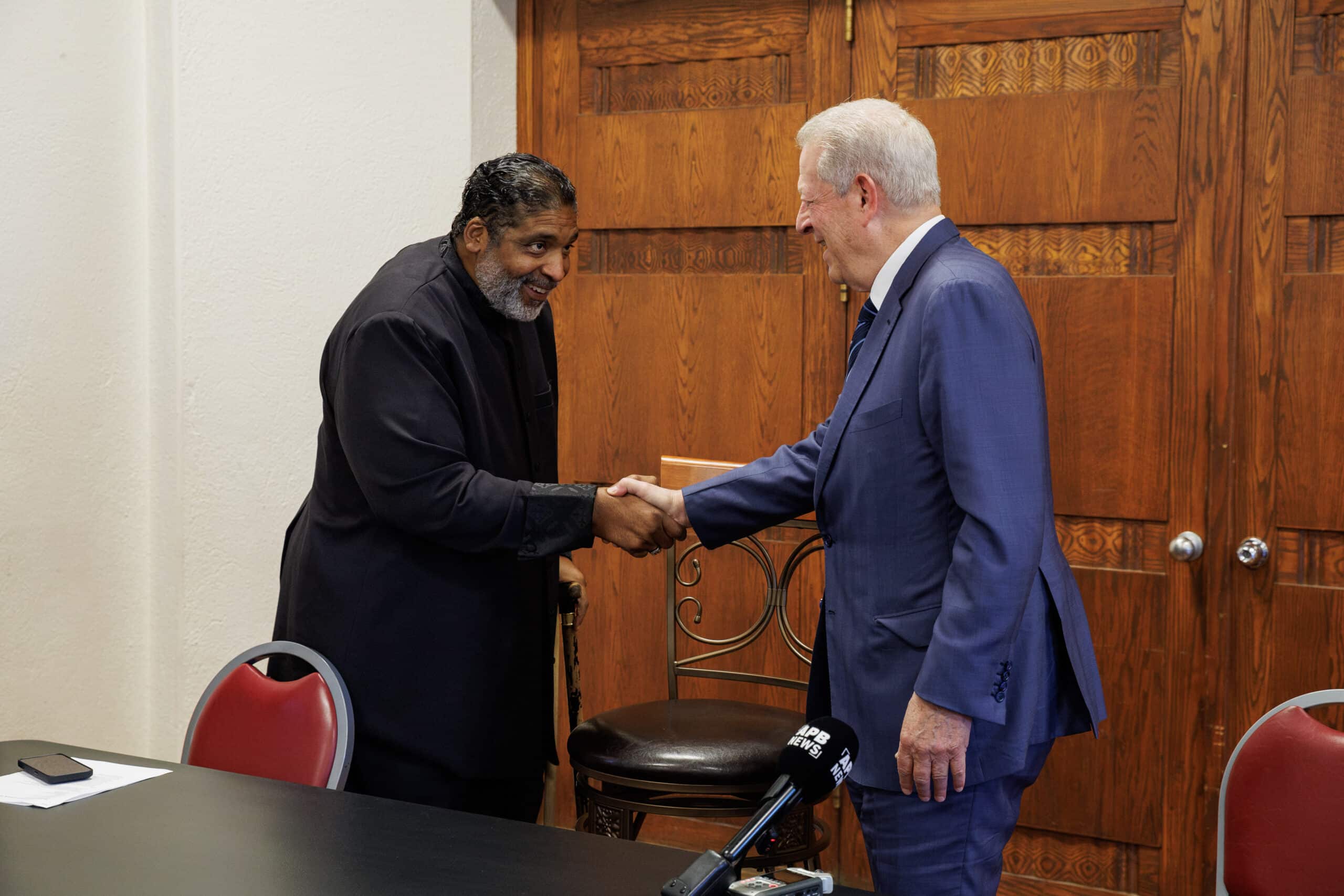
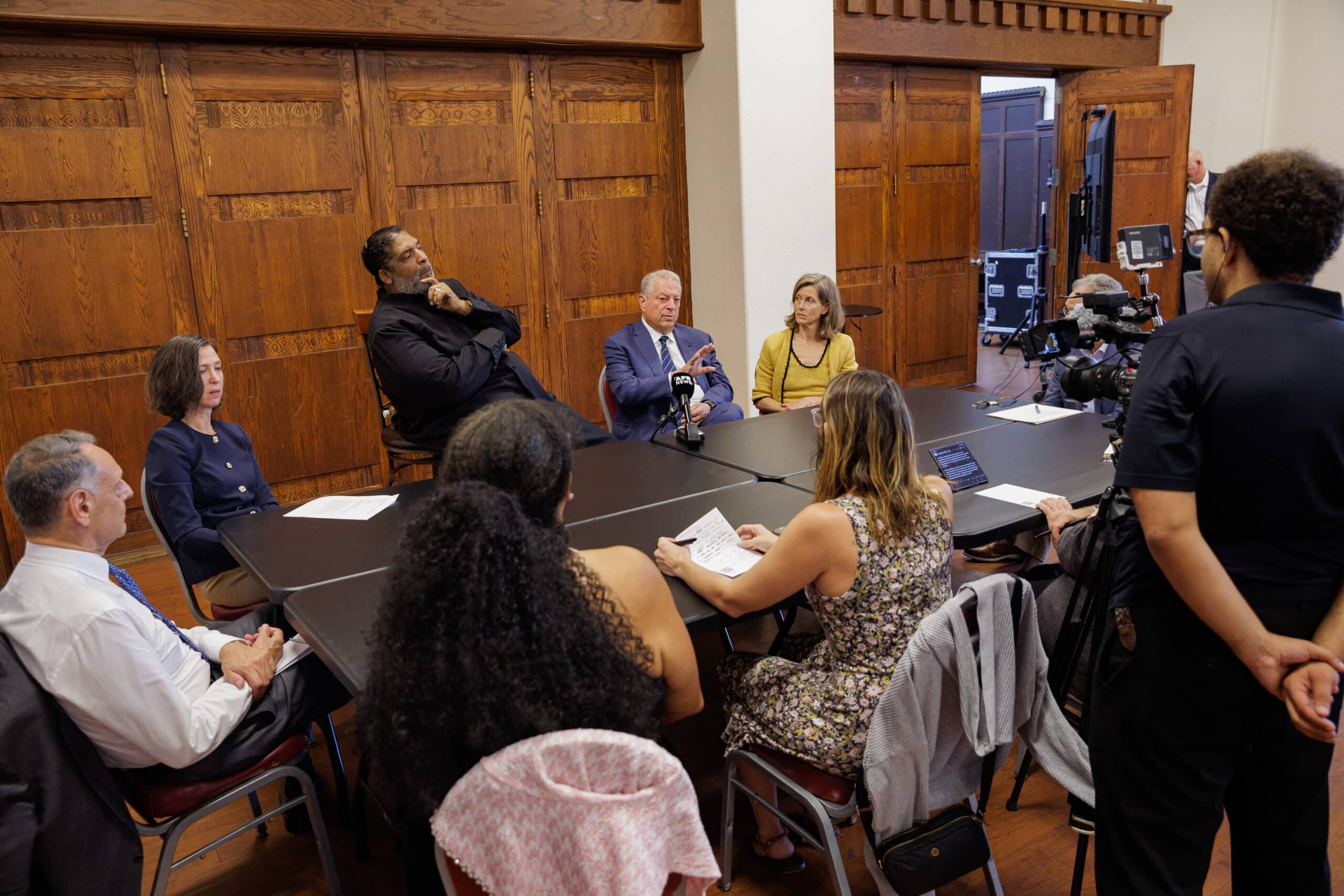
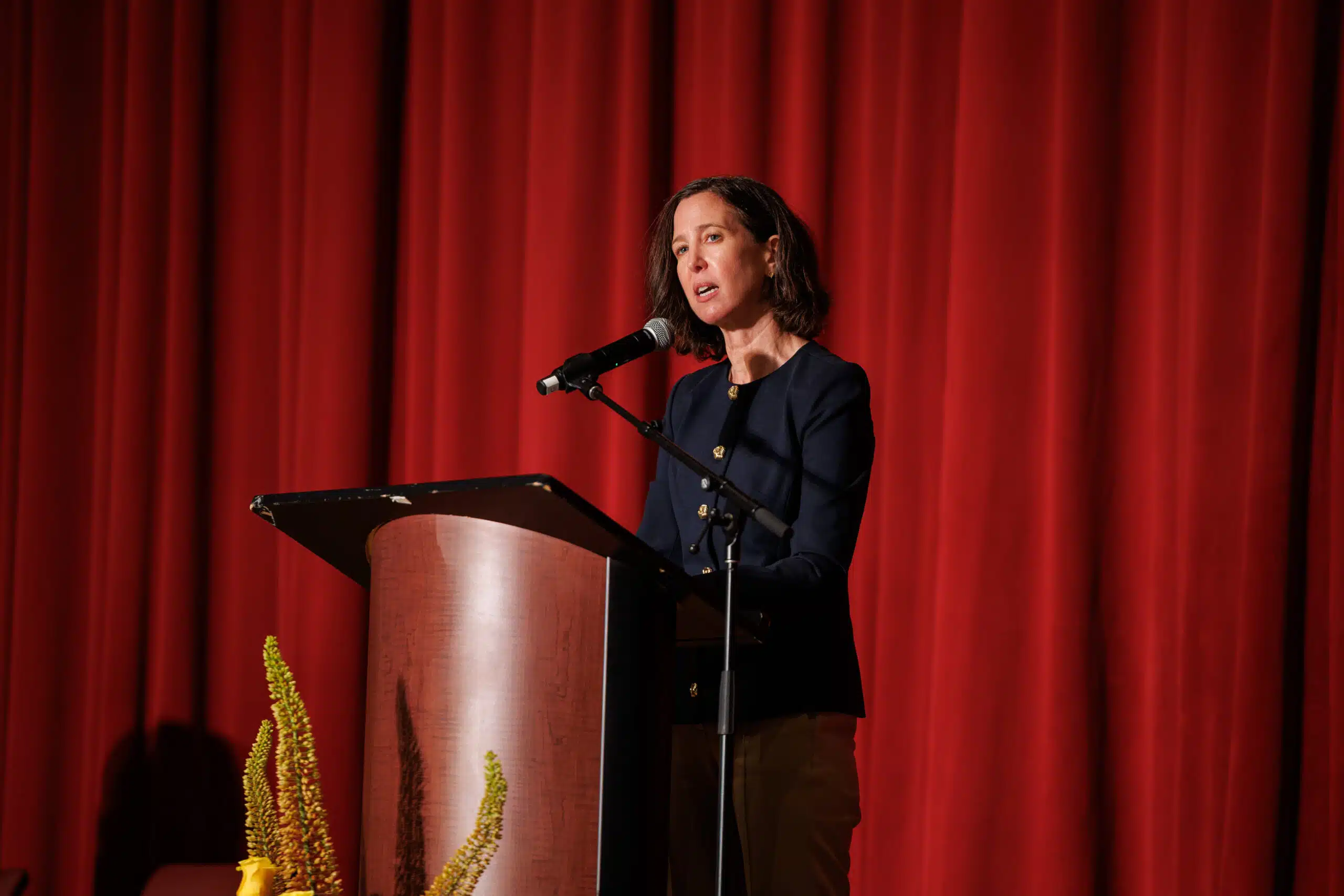
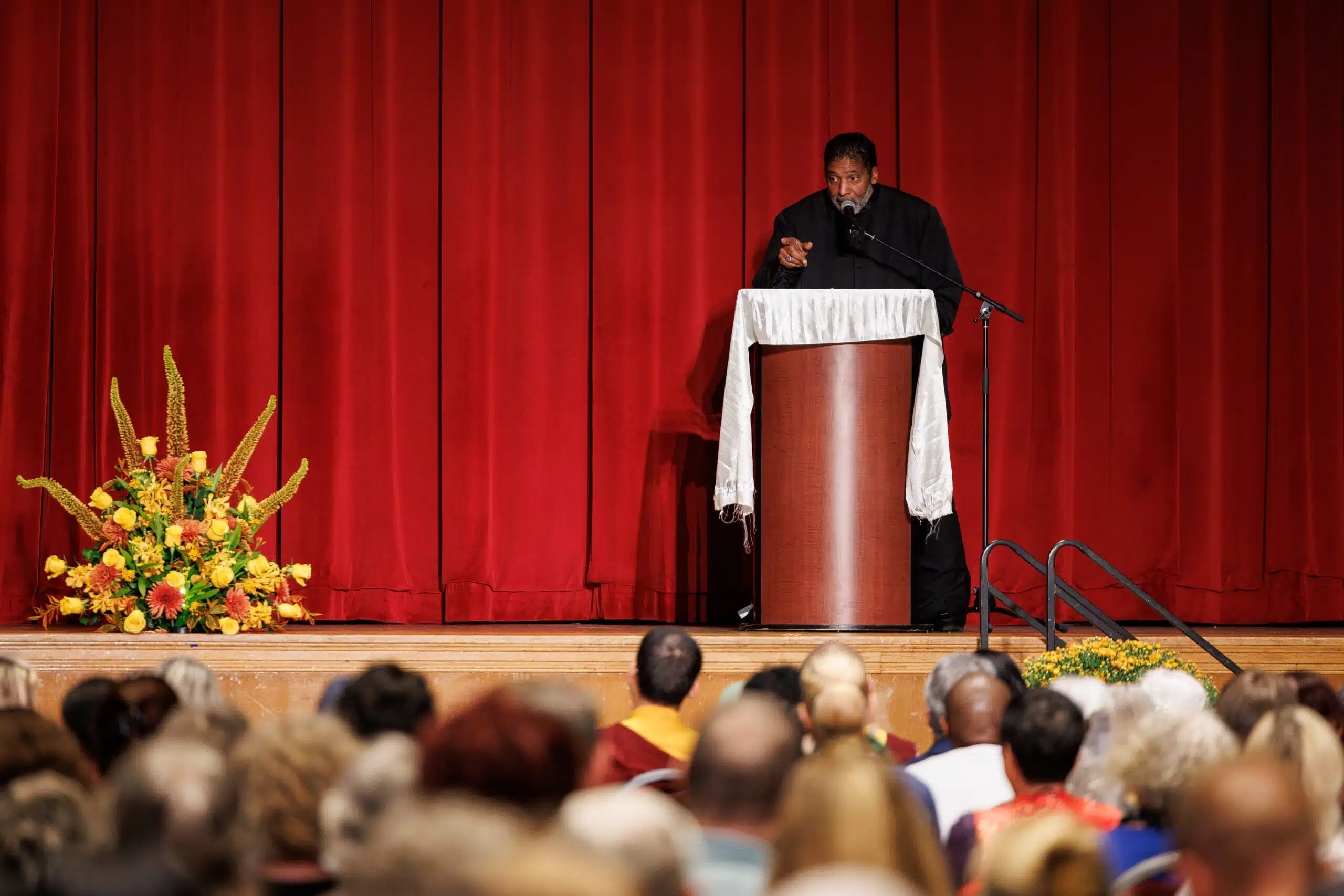
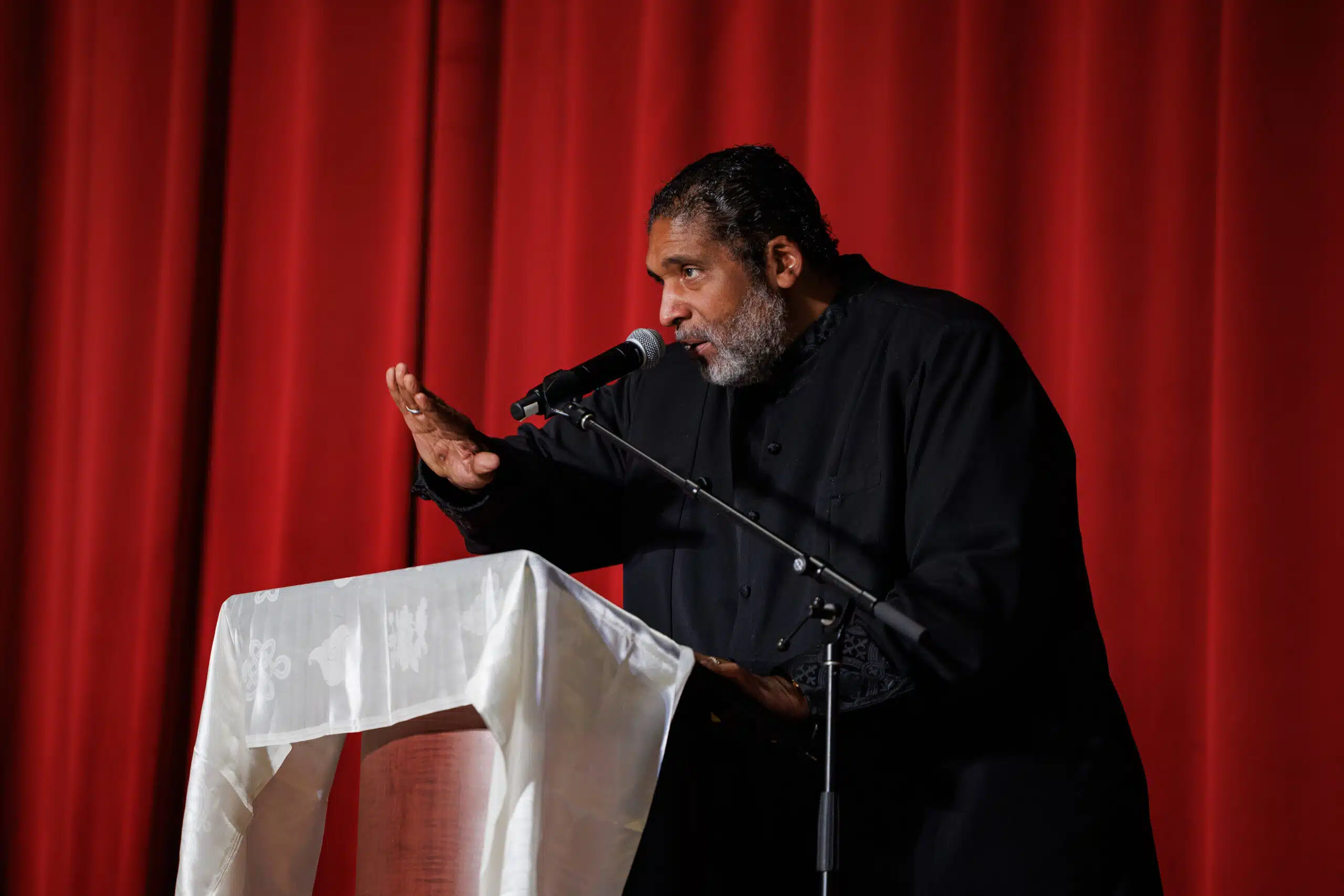
“We’re gathered here today to see clearly and to voice Truth,” said Karenna Gore, founder and executive director of the Center for Earth Ethics, in her welcome. Nobel laureate and former Vice President Al Gore and Bishop William Barber II, president and senior lecturer at Repairers of the Breach and co-chair of the Poor People’s Campaign: A National Call for a Moral Revival, were keynote speakers.
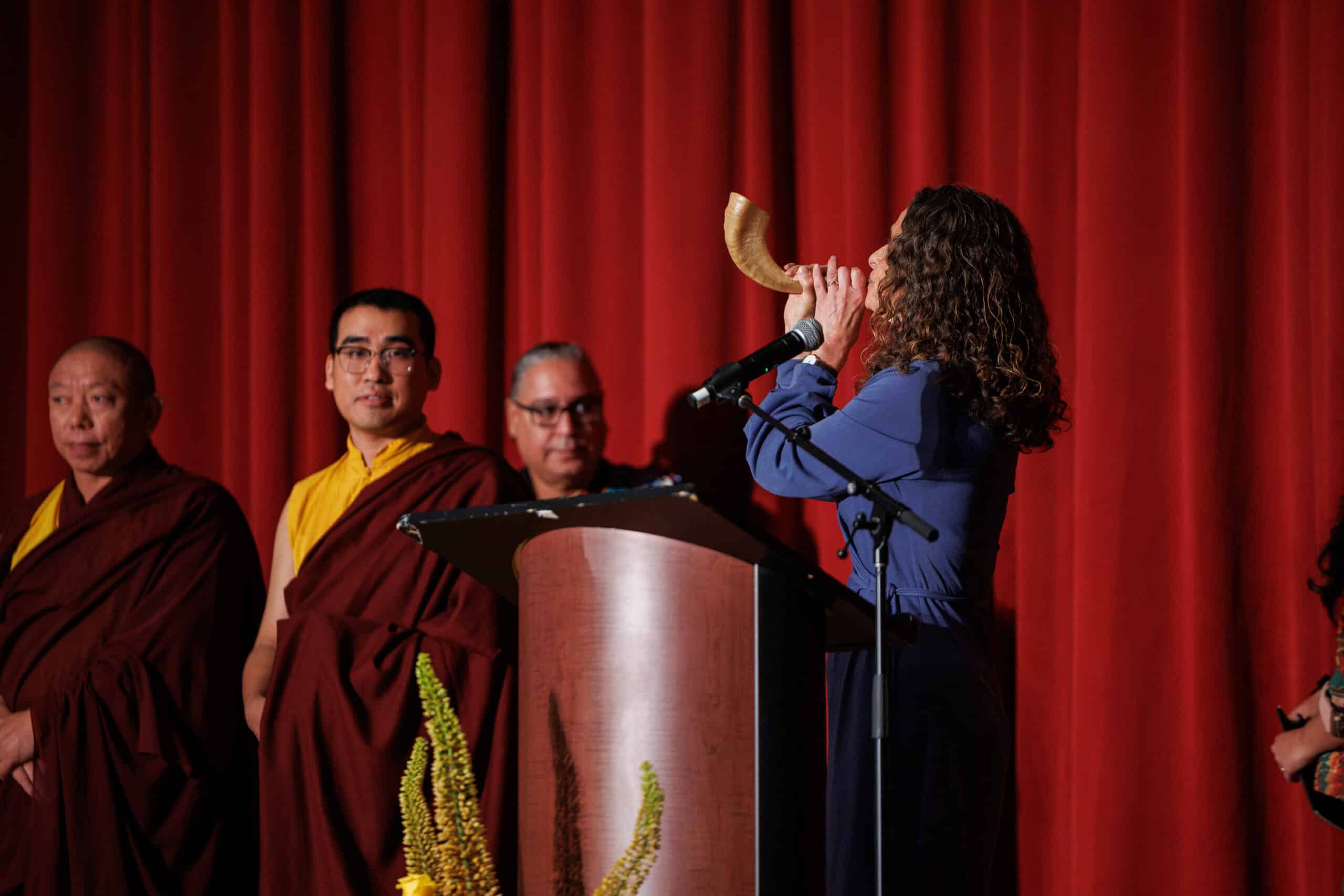
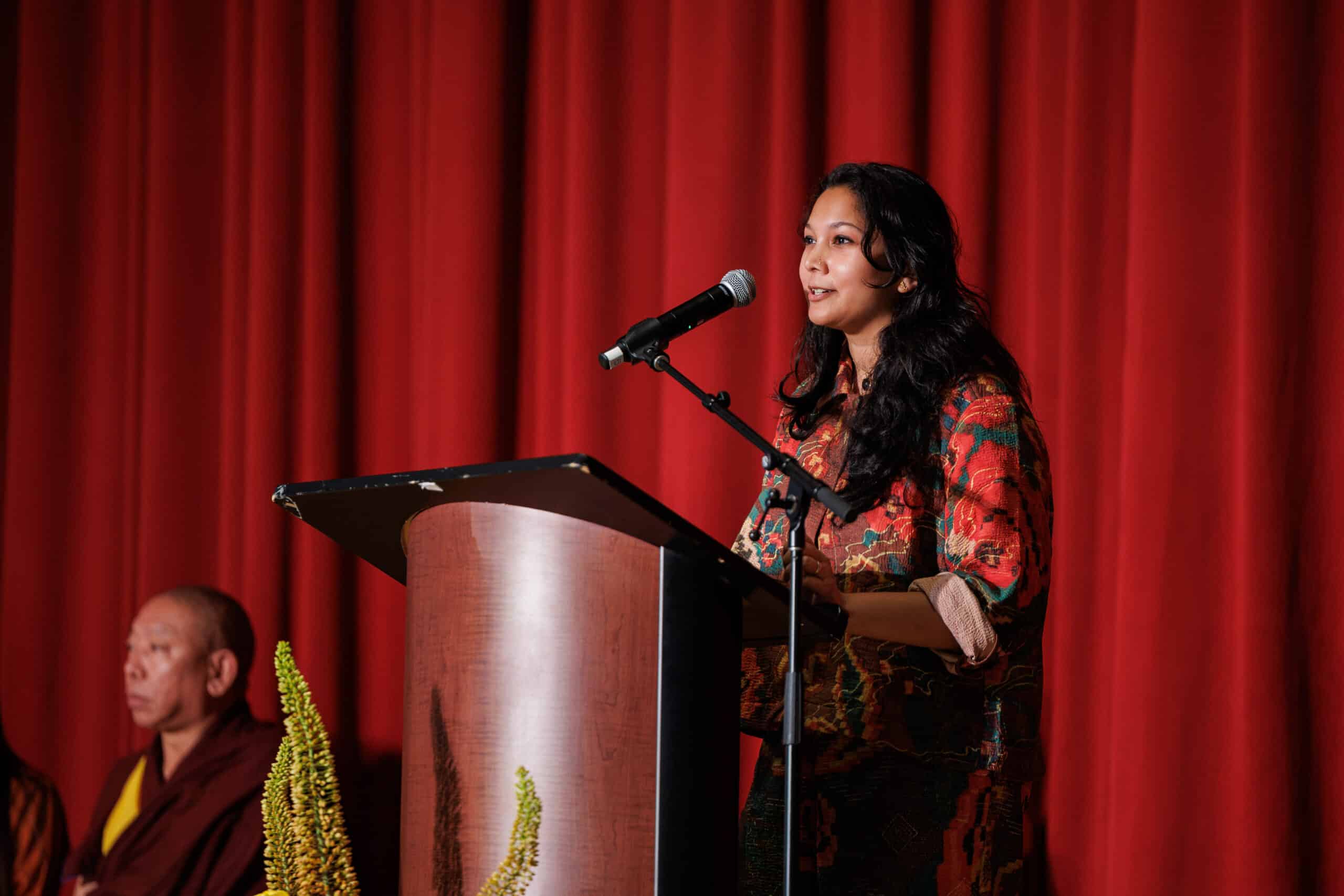
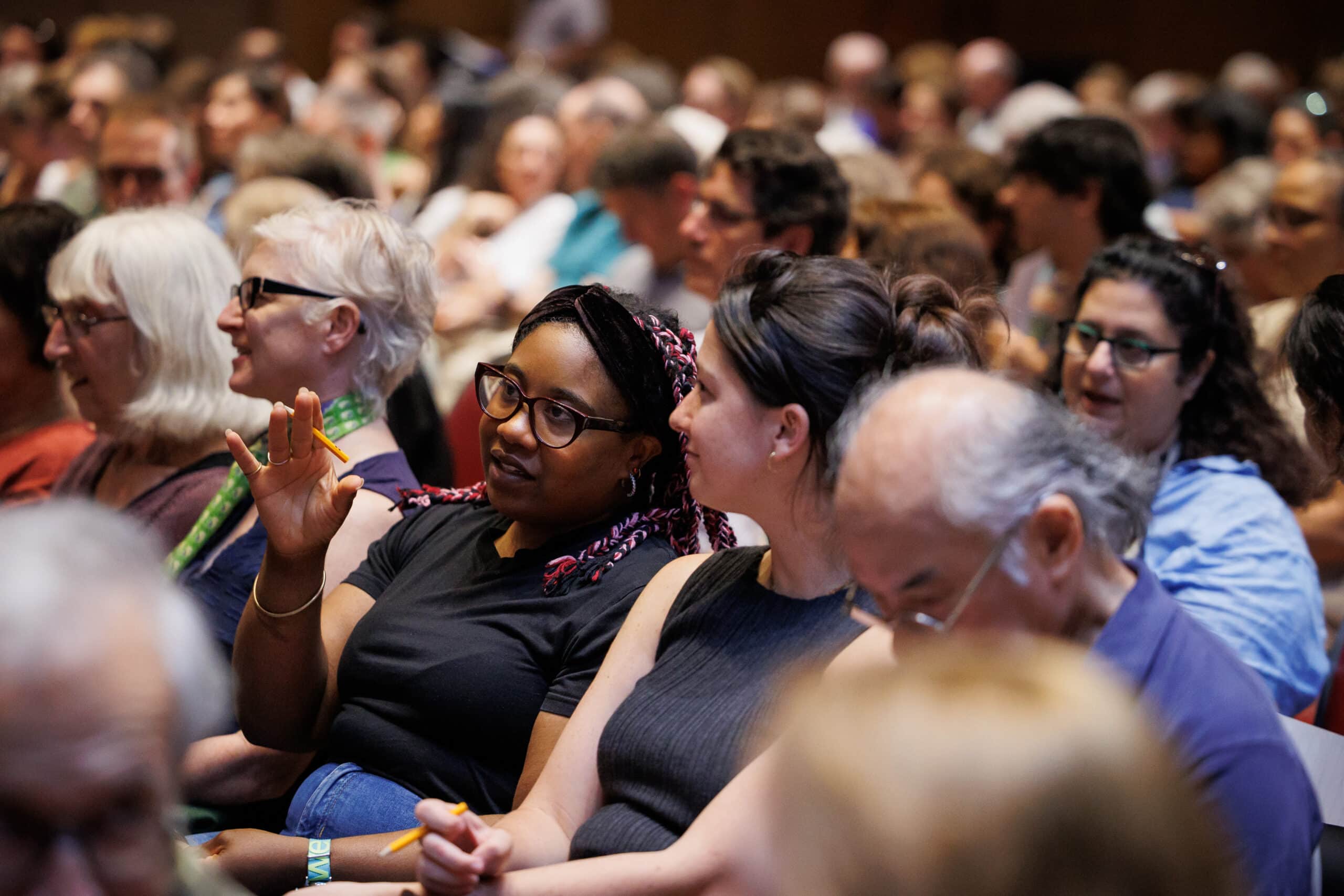
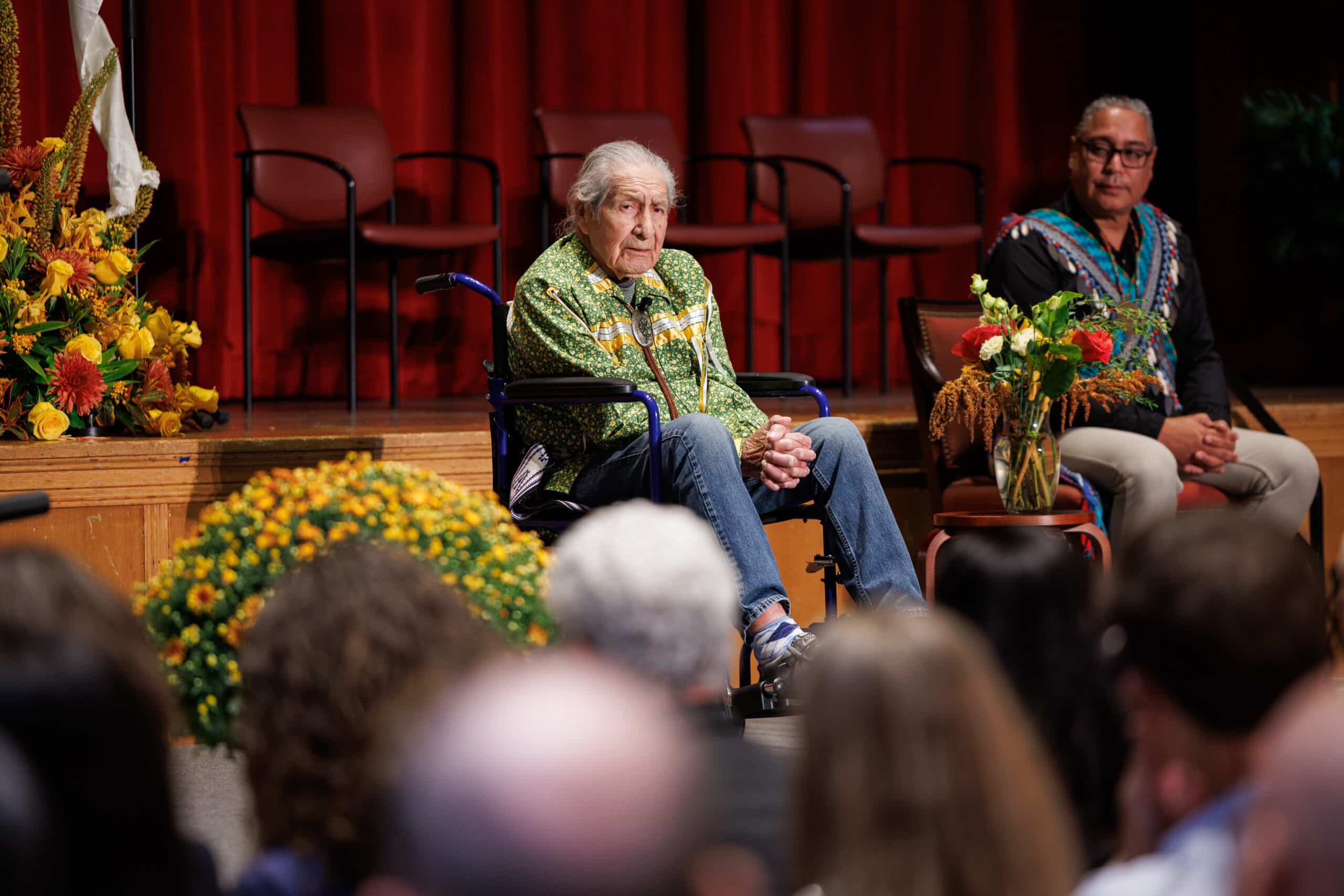
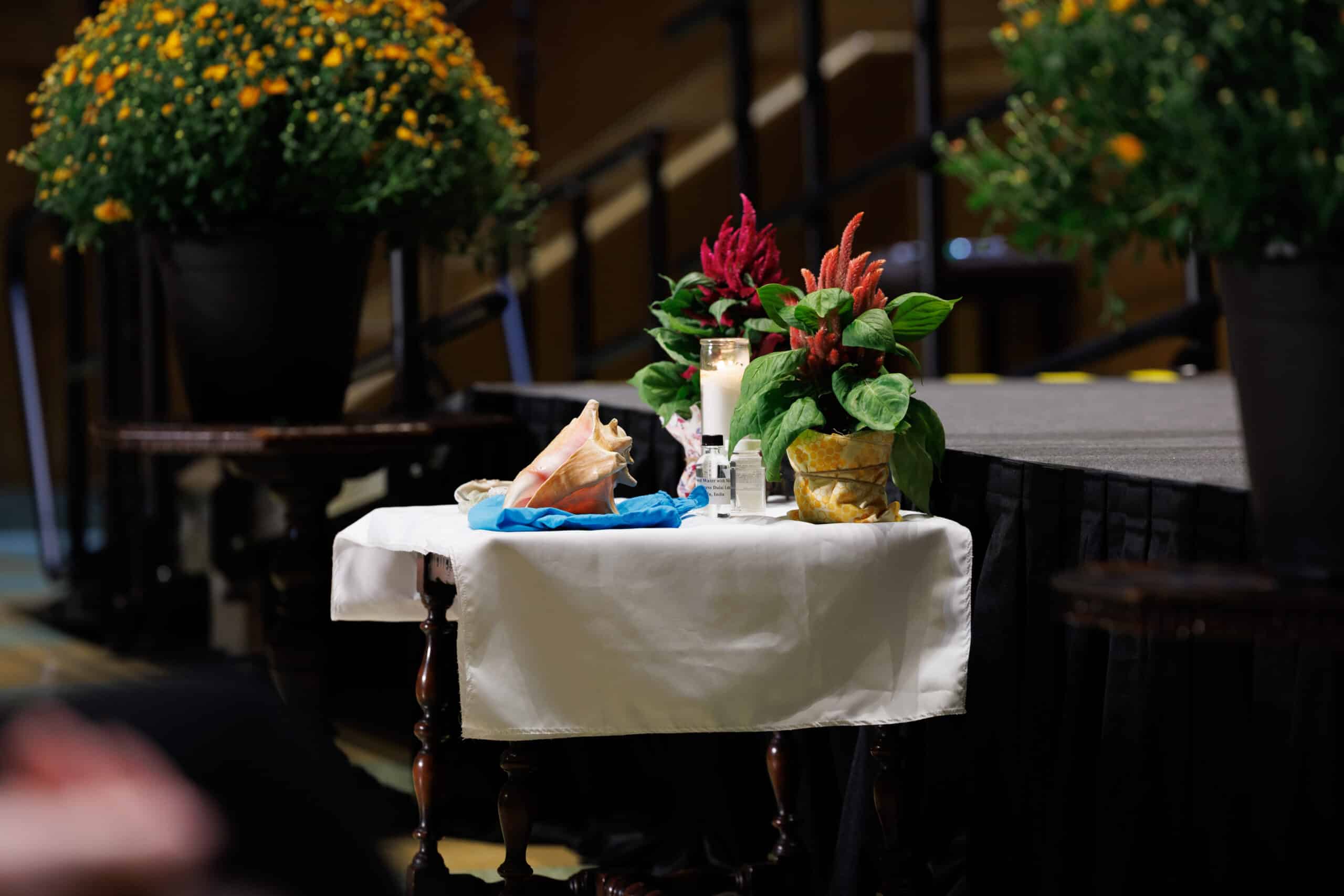
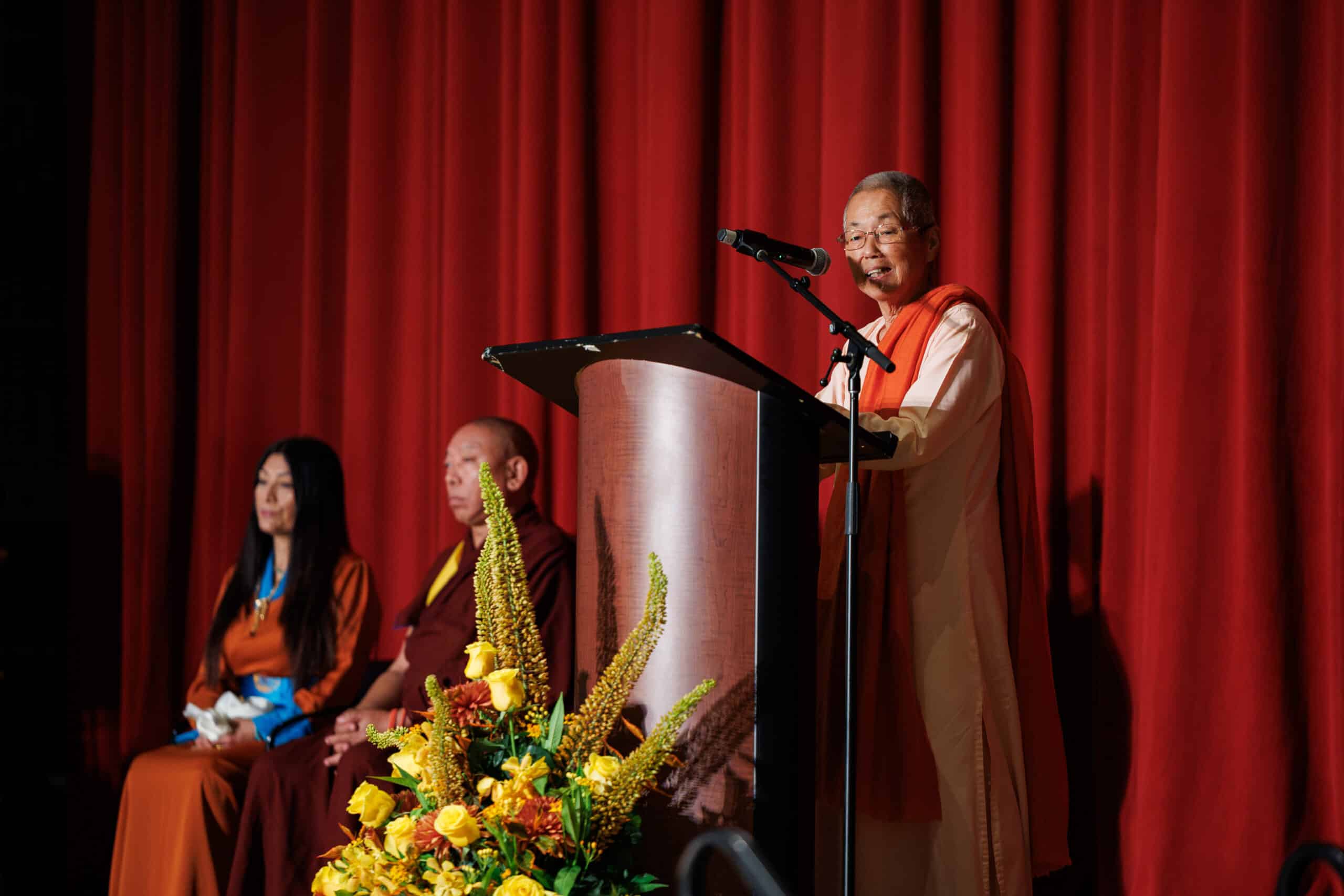
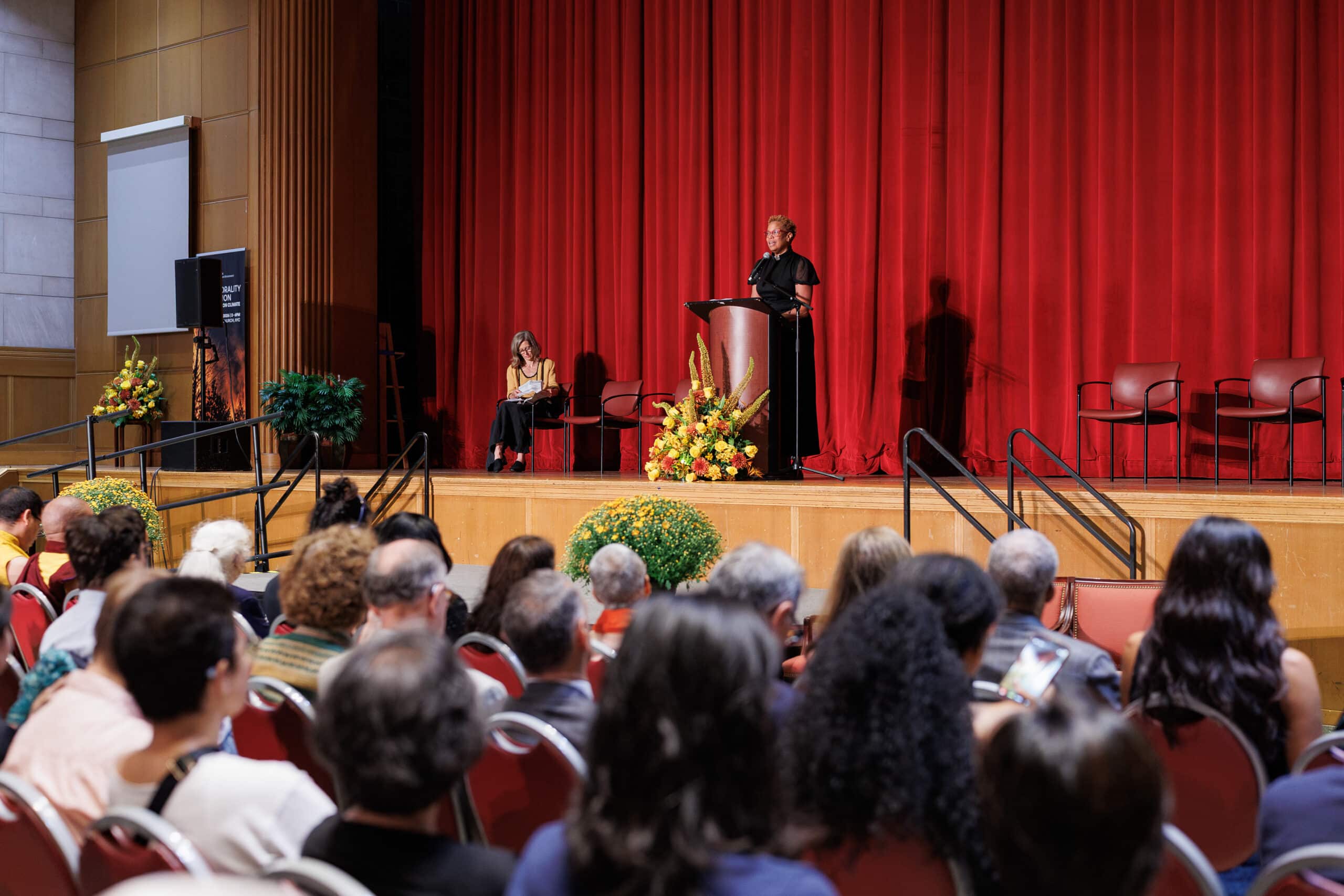
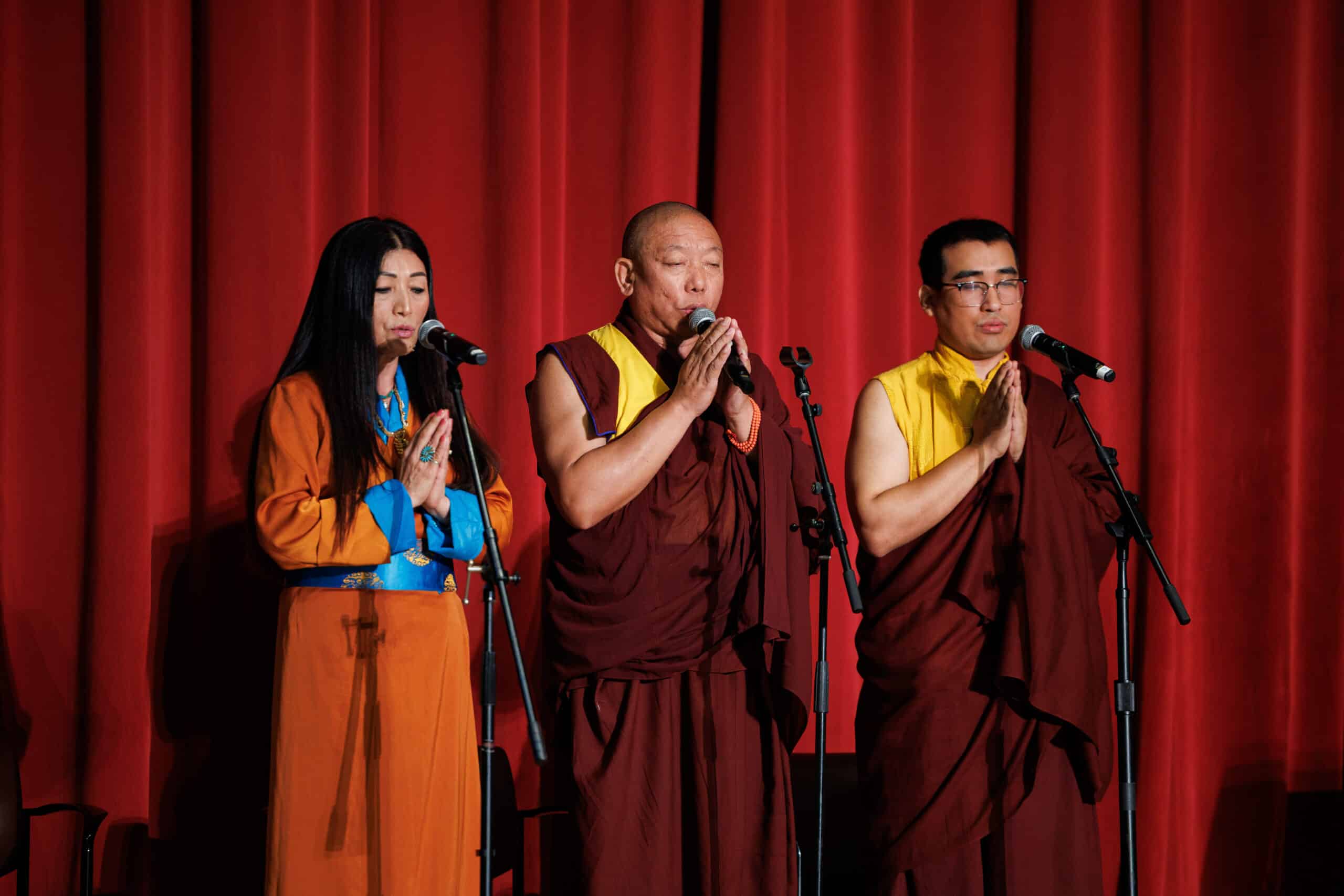
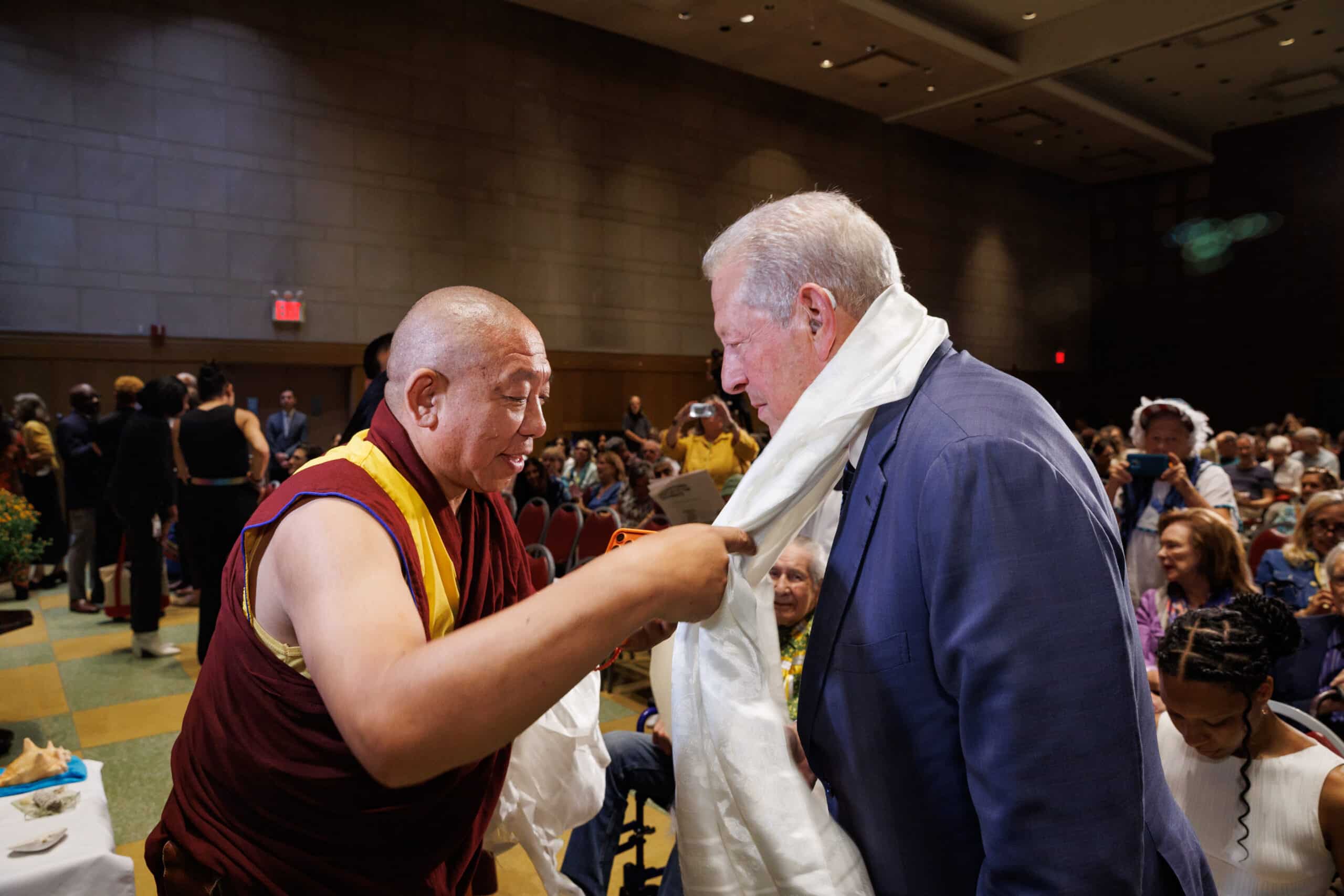
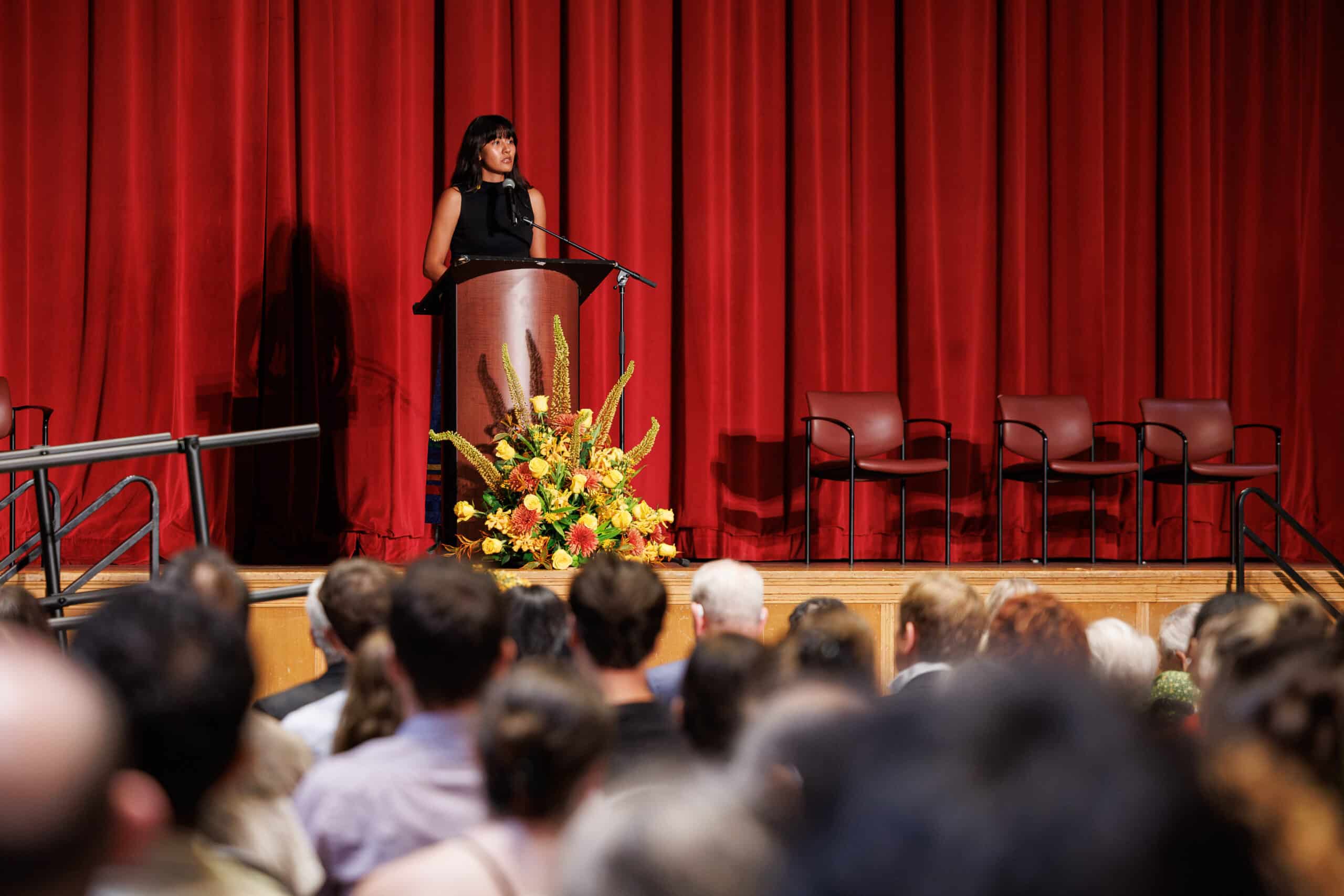
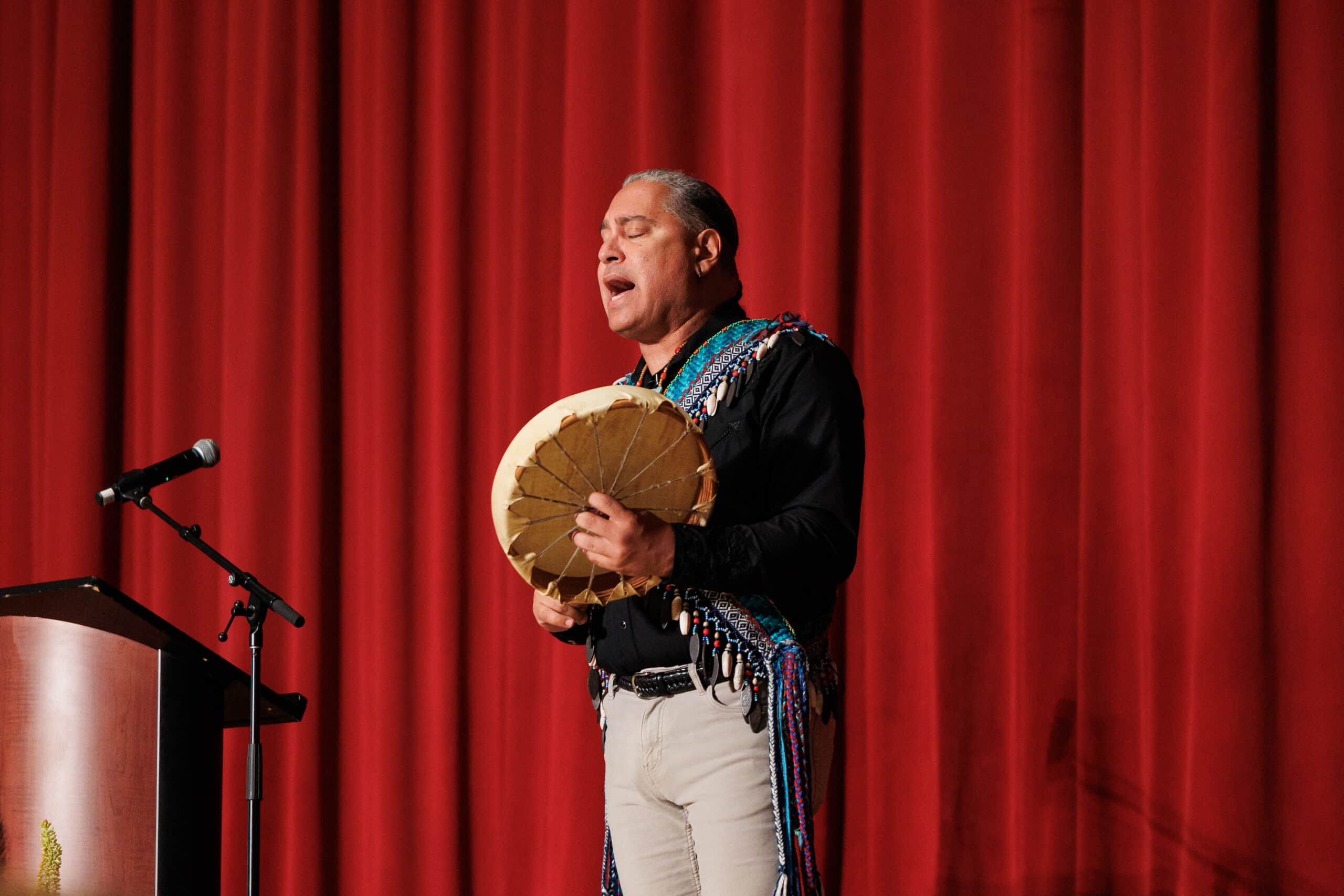
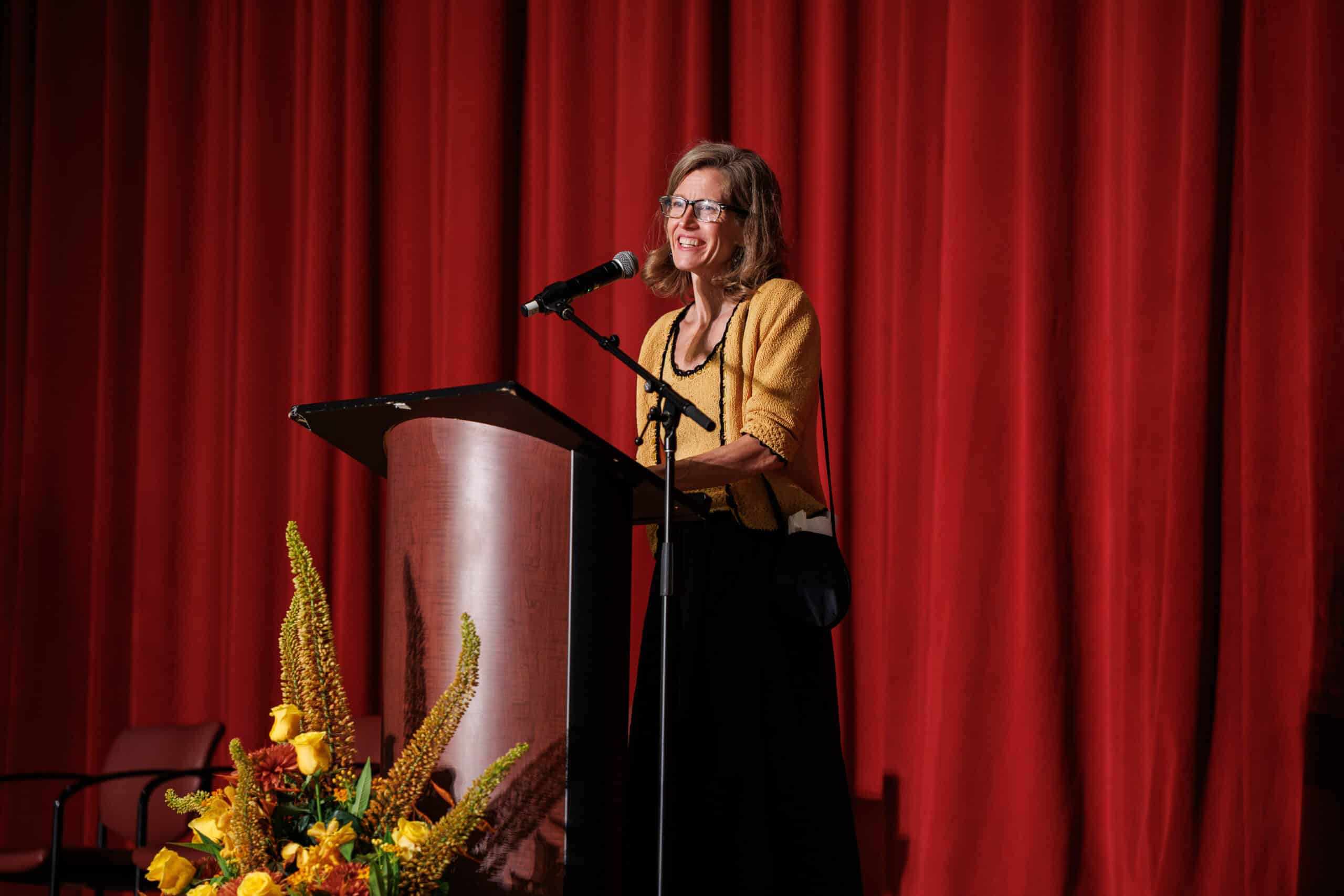
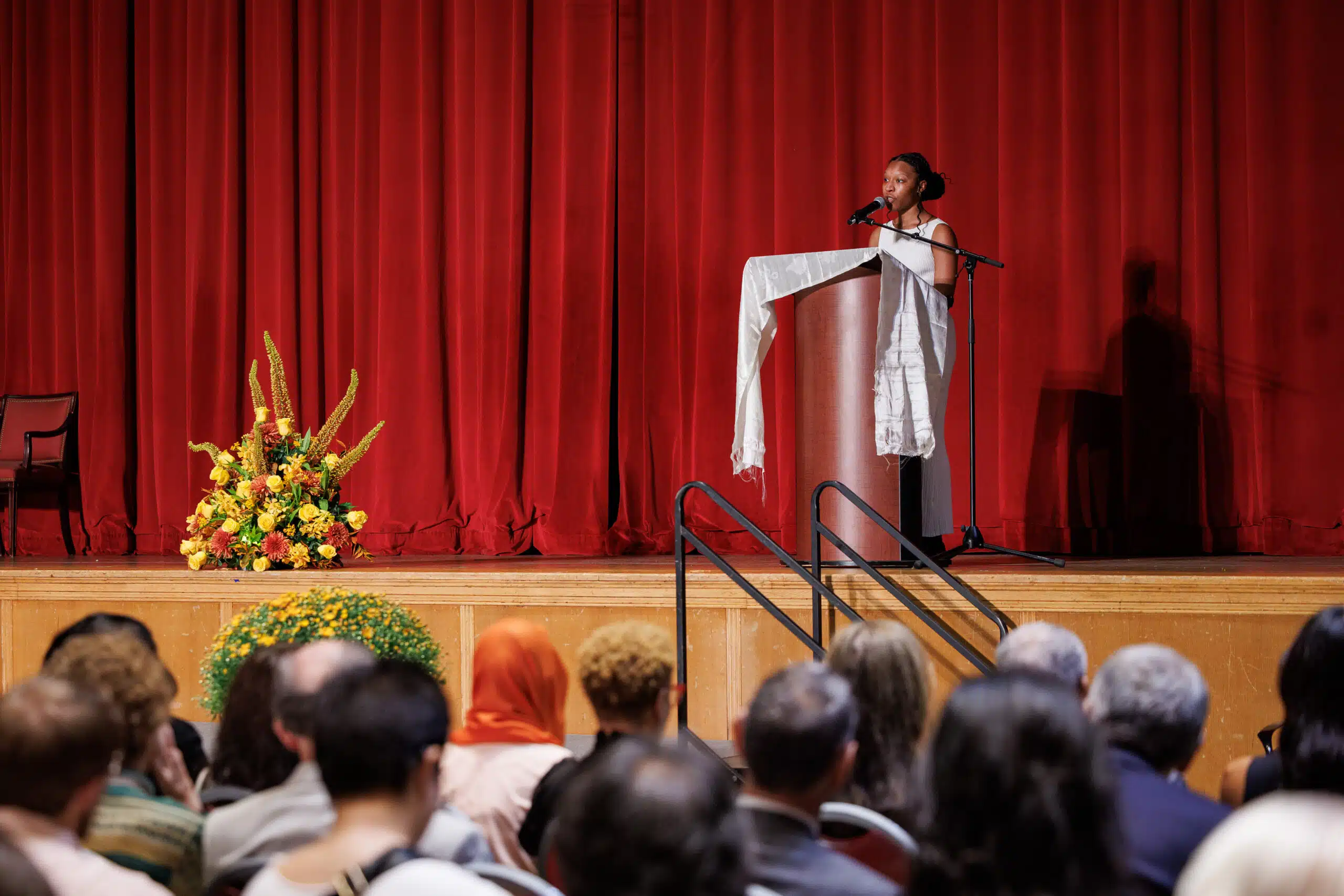
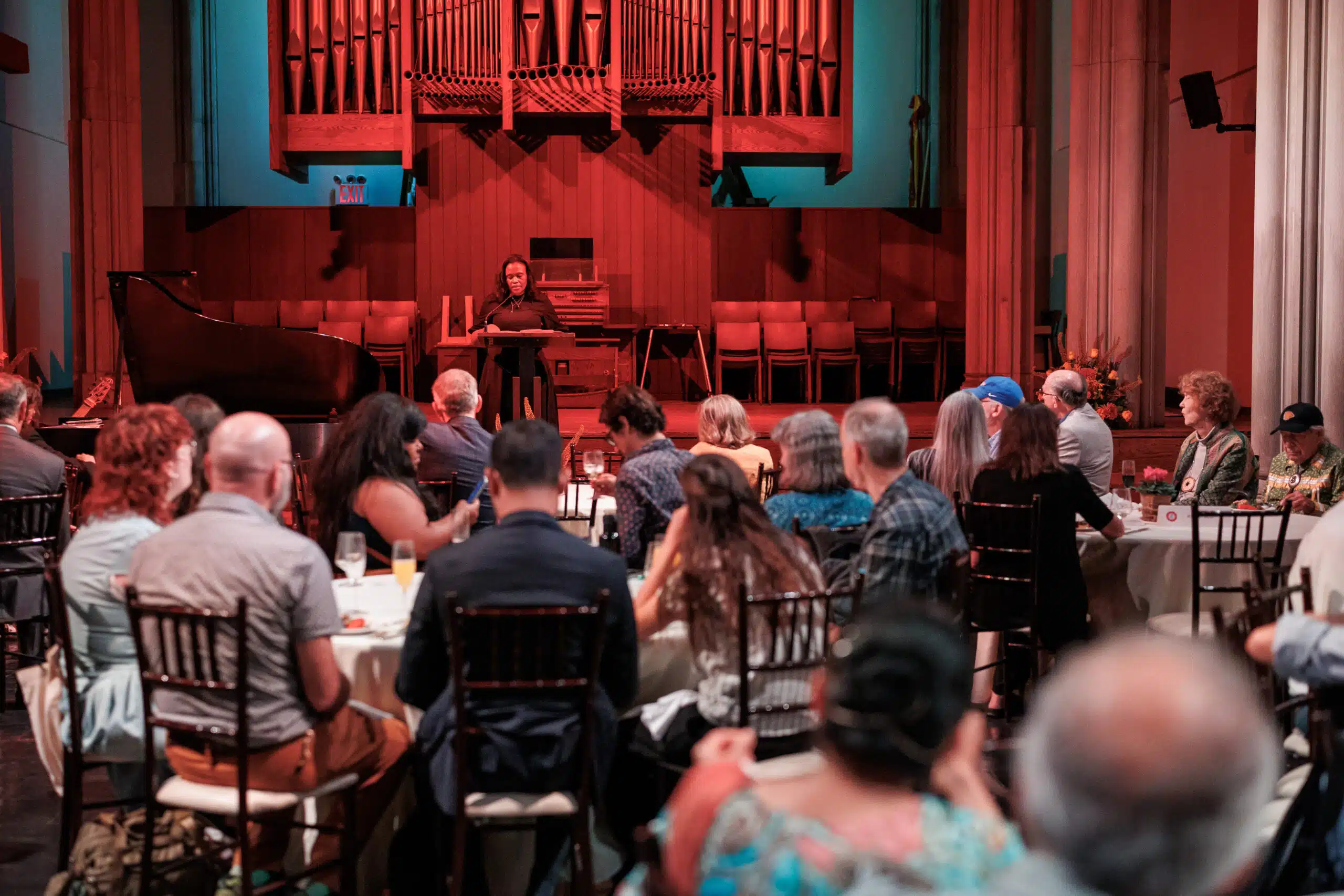
Reflecting the event’s aim of amplifying religious voices in the climate struggle, prayers, songs and other invocations of spirit were offered by Rabbi Jennie Rosenn, founder and CEO of Dayenu: A Jewish Call to Climate Action, who blew the shofar; Samira Siddique, CEE’s director of strategic initiatives; Swami Dayananda, director of LOTUS Center for All Faiths; Gegye Yongyal Tulku Rinpoche, leader in the Kagyu Nyigma tradition of Tibetan Buddhism; and Roberto Múkaro Borrero, board president of the United Confederation of Taíno People.
Some of the most sobering words came from Oren Lyons, Faithkeeper of the Turtle Clan of the Onondaga Nation. “The future is going to be very tough for our children, our grandchildren, and our great-grandchildren,” he warned. “We really have to stand up now. We really have to take charge. … Every one of us: We have responsibility, and we have options.”
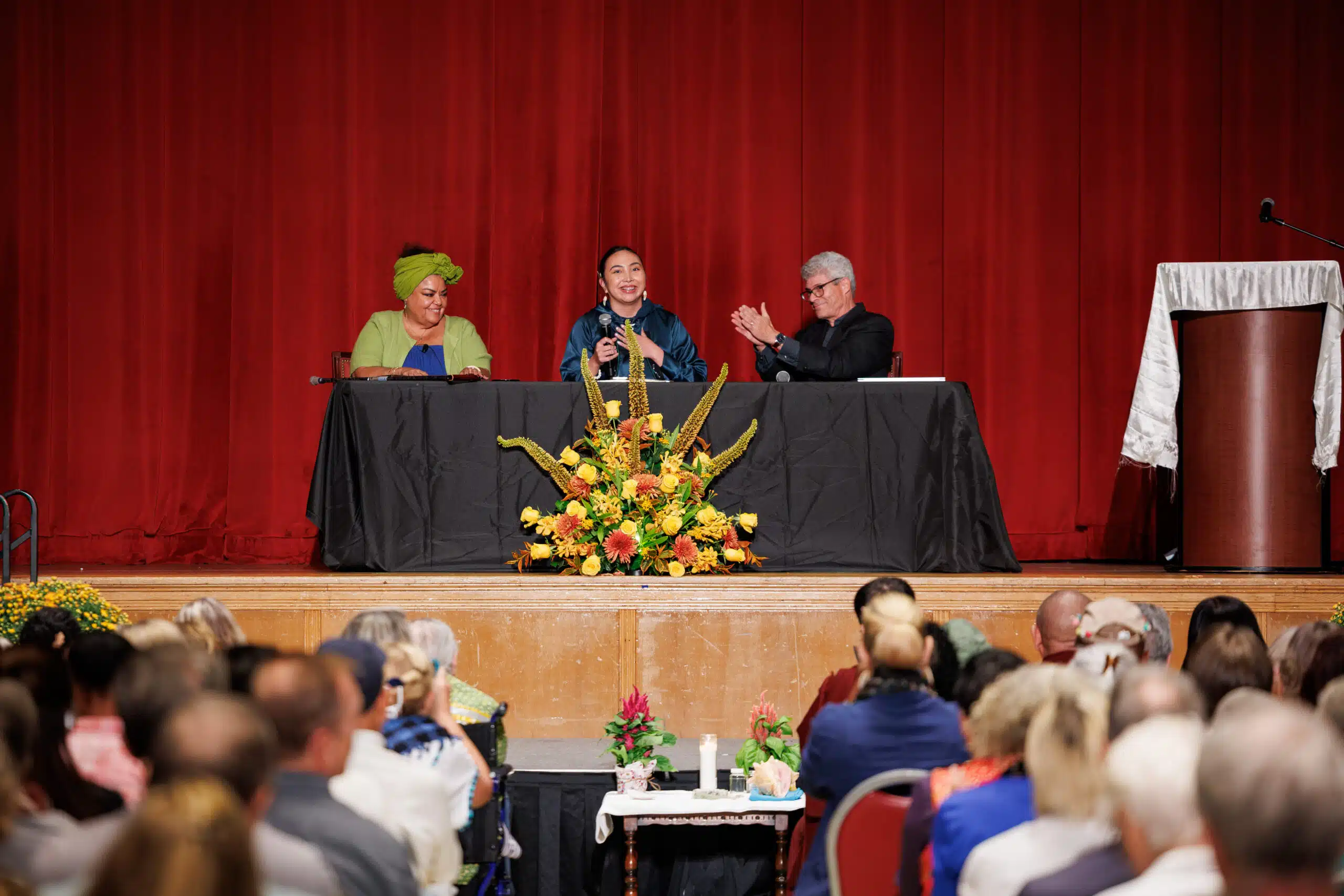
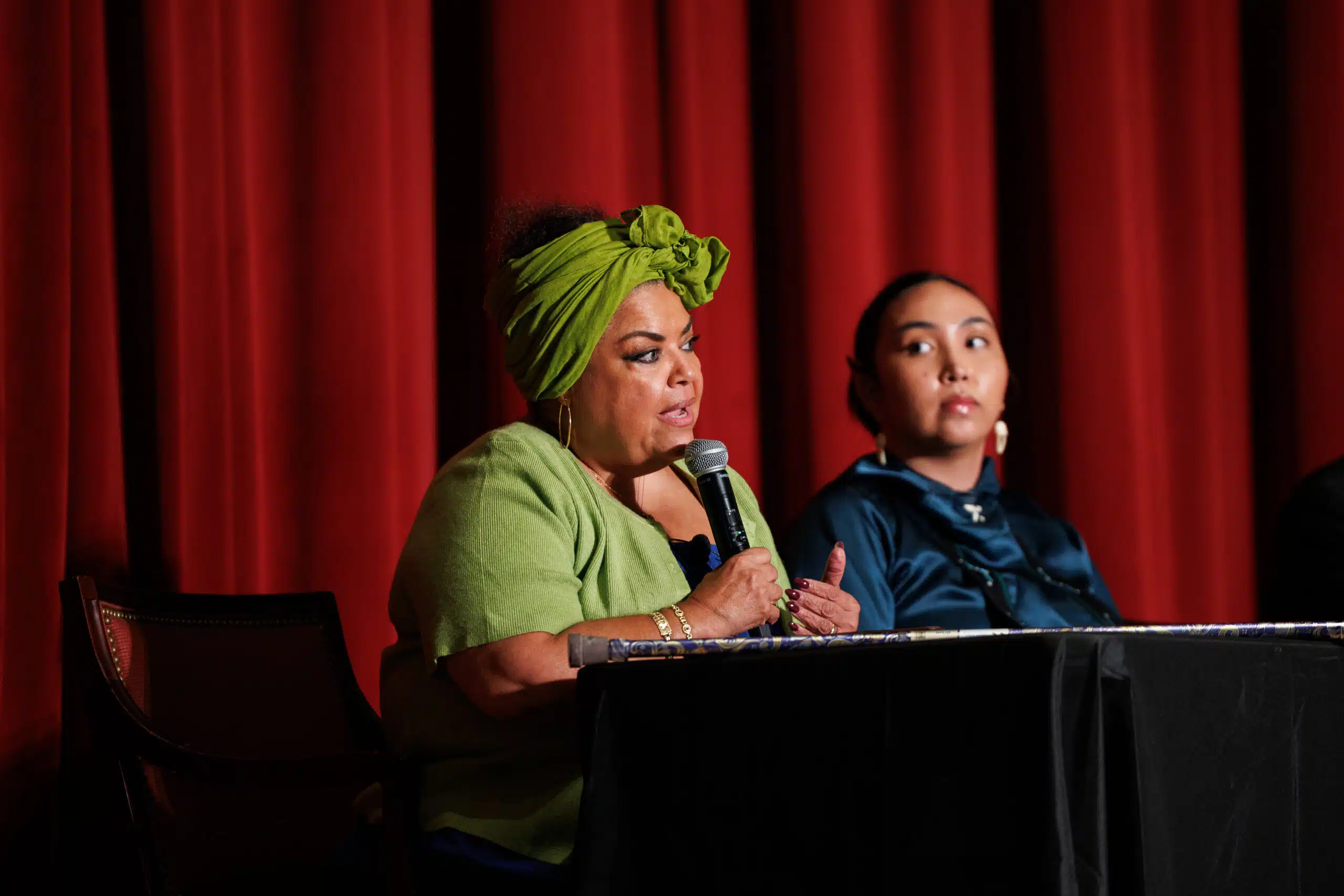
Paul Gallay, director of the Resilient Coastal Communities Project at the Columbia Climate School’s Center for Sustainable Urban Development, moderated a panel with Charitie Ropati, youth climate advisor to the Secretary-General of the United Nations, and Elizabeth Yeampierre, executive director of UPROSE, a community organization in Sunset Park, Brooklyn.
Ropati and Yeampierre both spoke to the disproportionate climate impacts borne by frontline communities—and they demanded accountability. Ropati described her Yup’ik community’s forced relocation in Alaska. “Adaptation without accountability is abandonment,” she said, “and we cannot continue to be expected to survive the consequences of a crisis that we did not contribute to.”
Yeampierre brought decades of climate justice organizing to bear. “We are small—but we are powerful, and we are impactful,” she said. “In the climate justice movement, we say that transition is inevitable, but justice is not.”
Let it be said, here at Riverside Church, we saw clearly and did not turn away. That we held the science, the knowledge, the resources in our own hands and chose, at last, to act as though life depended on it. Because it does.
Wanjira Mathai
Taylar Enlow, research and special projects assistant at CEE, read a message from environmentalist Wanjira Mathai, managing director for Africa and Global Partnerships at the World Resources Institute.
“Let it be said, here at Riverside Church, we saw clearly and did not turn away. That we held the science, the knowledge, the resources in our own hands and chose, at last, to act as though life depended on it. Because it does,” Mathai insisted.
That urgency ran through the evening. “We know that the consequences of man-made climate pollution are here now,” said Ms. Gore. “We could lose half of all of the living species on this Earth during our lifetimes,” warned Mr. Gore.
“It’s late, but it ain’t too late yet,” said Bishop Barber.
Speaker after speaker called out the pernicious interests thwarting action on climate change. “We know what we need to do,” said Bishop Barber. “But greedy corporations have flooded the zone.”
“Our political system is held hostage by this administration, and it in turn is held hostage by special interests. The fossil fuel industry is far more capable of capturing politicians than emissions,” said Mr. Gore.
“In the face of this dishonesty—this blocking of our ability to act—we must not be silent,” said Ms. Gore. Her words carried a particular weight, as it was from Riverside’s pulpit, in 1967, that Dr. Martin Luther King Jr. spoke out against the Vietnam War, reminding the nation that “a time comes when silence is betrayal.”
We stand at a critical crossroads, my brothers and sisters, and the choice is ours. Will we push to a new creation of love and care or will we just critique and give up and let the whole thing die?
Bishop William Barber II
“We know Truth from two books: the Book of Nature and the Book of Scripture,” Bishop Barber said in his address. “If we’re willing to listen, the Earth is a prophet.”
Bishop Barber explored a Bible verse beloved by environmental advocates: Romans 8:19-25. The Earth is groaning, he acknowledged, but not with the groans of death. Much will fall away, he said, but what we are hearing are the groans of birth. “The Earth is saying there is a possibility beyond what we can see right now.”
“We stand at a critical crossroads, my brothers and sisters, and the choice is ours,” he continued. “Will we push to a new creation of love and care or will we just critique and give up and let the whole thing die?”
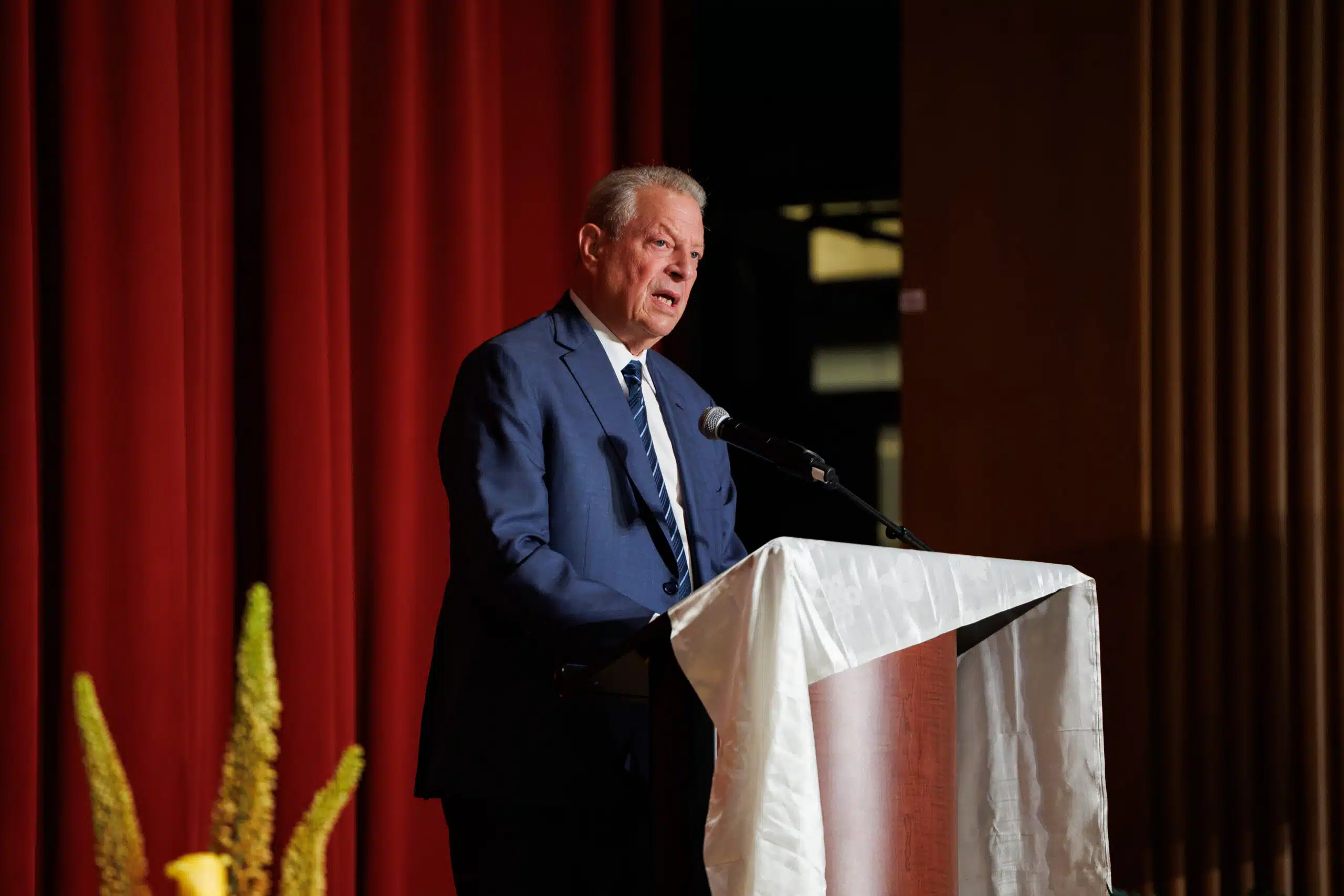
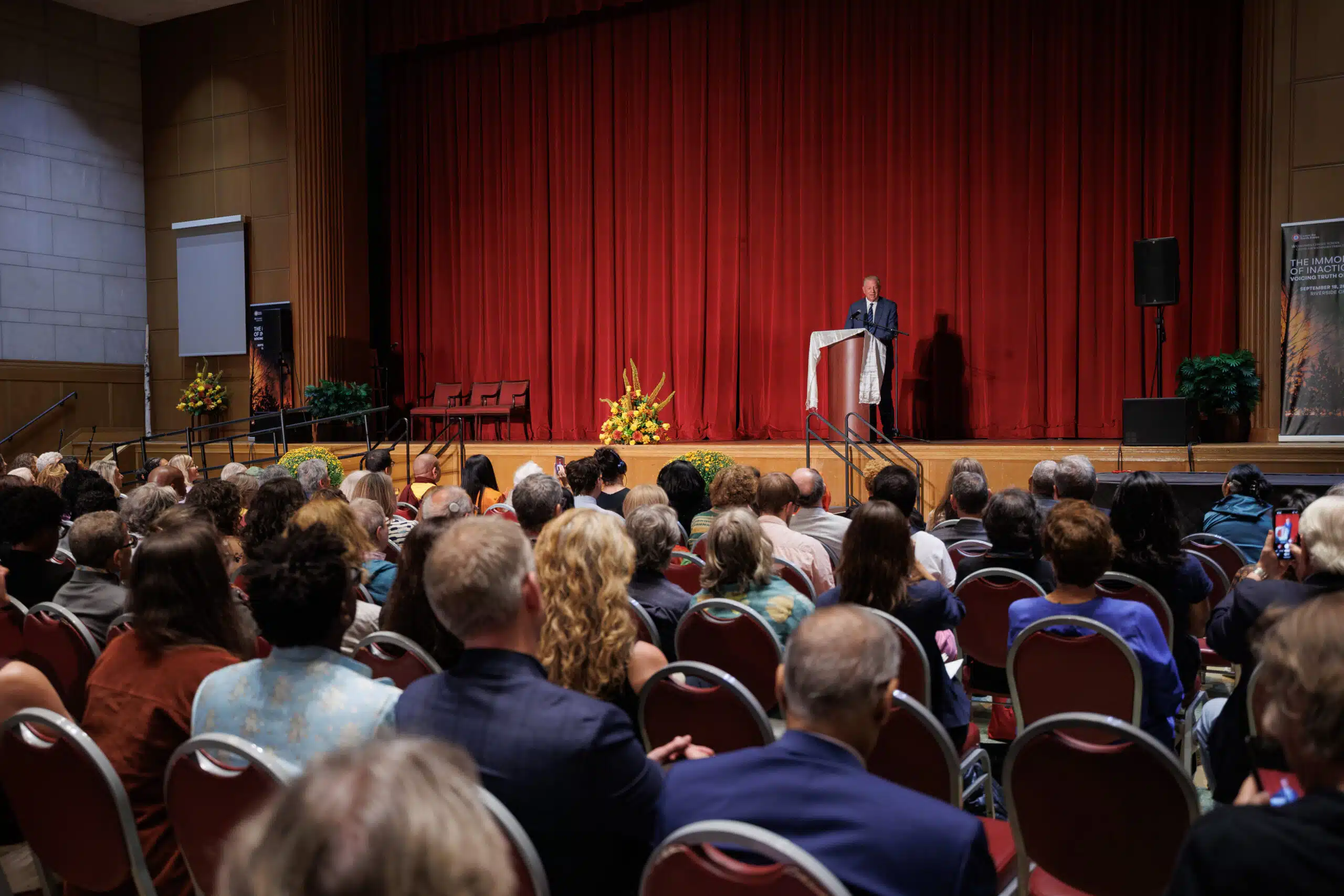
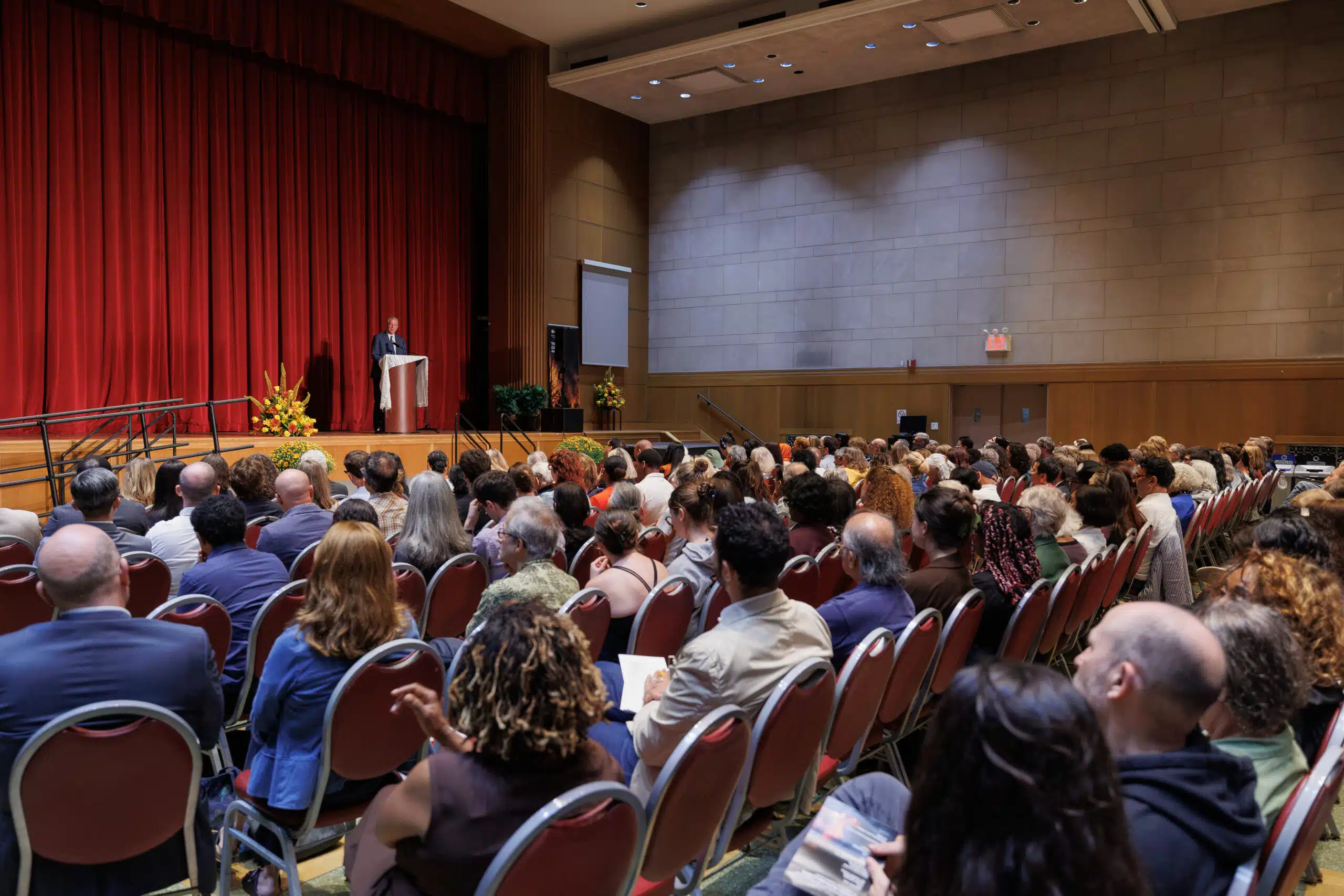
Mr. Gore, the founder and chairman of The Climate Reality Project, pulled no punches. “When our current president calls the climate crisis a hoax, most listeners understand it immediately to be the verbal equivalent of AI slop,” he said. “You know it’s false even as you hear it or read it. But it still has an impact, and some people pretend to believe it even though they know deep down that it is false.”
“The tragedies are becoming much larger and much more frequent. And those who predicted them have warned us yet again very clearly of much worse to come, unless we act,” he added. “We have the means to act. Inaction is immoral.”
Near the end of his address, Mr. Gore turned to more personal territory, reflecting on three decades of sounding the alarm. Did he despair? Did he want to give up? “Not for a minute,” he said. “On the contrary. It is a privilege to have work that justifies pouring every ounce of our spiritual energy into it.”
The tragedies are becoming much larger and much more frequent. And those who predicted them have warned us yet again very clearly of much worse to come, unless we act. We have the means to act. Inaction is immoral.
Al Gore
Reflecting on the afternoon, Dr. Lisa Thompson, the new president of Union Theological Seminary, celebrated the power of community. “Crisis and despair thrive in isolation and the feeling that we are alone,” she said. “And tonight we underscored that we have plenty to say, we have plenty to do, but we have a community to do it with.”
Other speakers included SD “Owl” Smith, advisor to the Ramapough Mountain Indians; Sophia Powless, an Indigenous educator and member of the Wolf Clan of the Onondaga Nation; Alexis Abramson, dean of the Columbia Climate School; and the Reverend Adriene Thorne, Senior Minister of Riverside Church in the City of New York.
This public event was organized by the Center for Earth Ethics at Union Theological Seminary in partnership with the Center for Sustainable Urban Development at the Columbia Climate School.
