
CEE Attends Seventh UN Environment Assembly in Nairobi
What is UNEA?
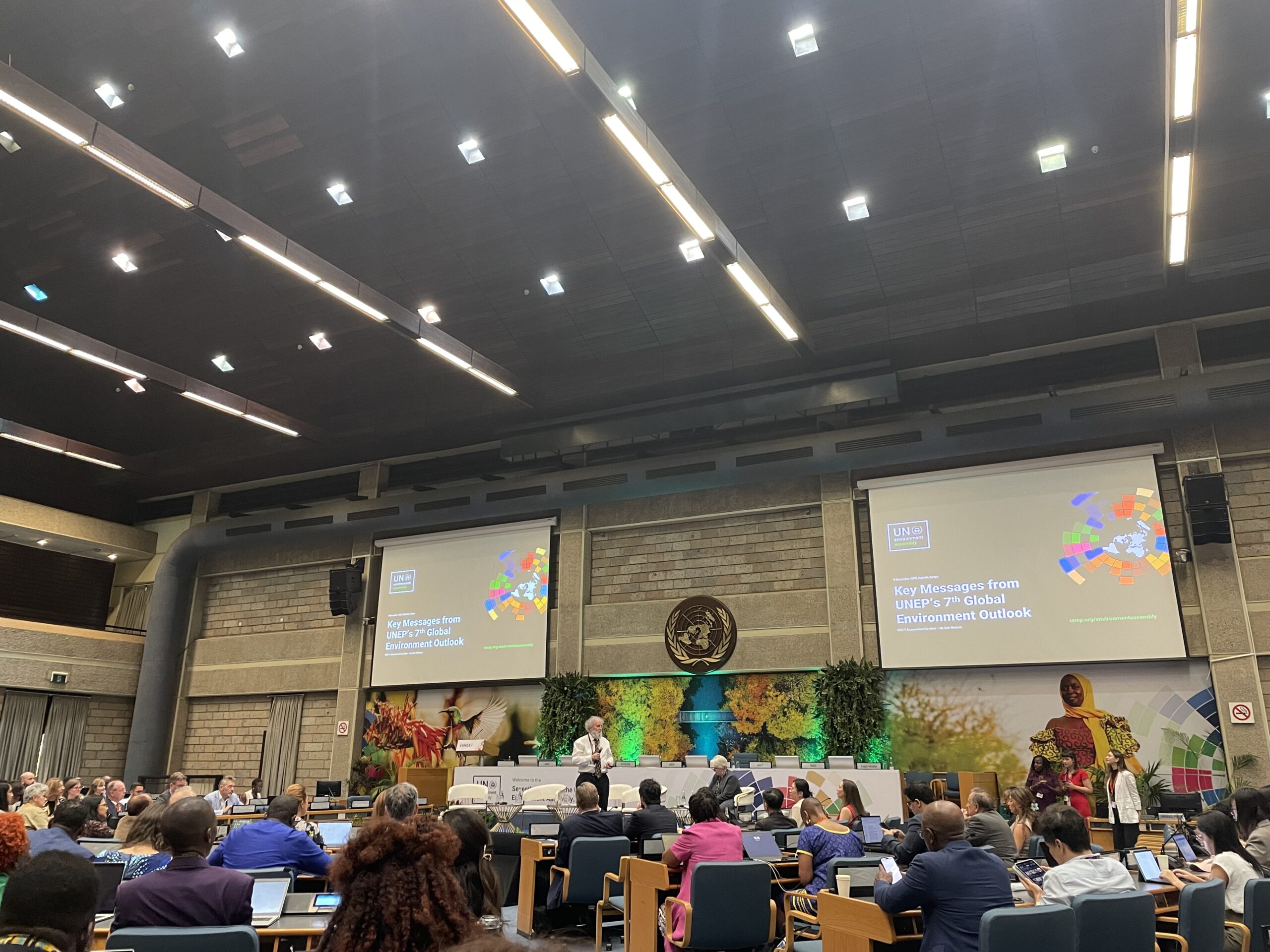
“If we don’t transform our economic and finance systems, we can’t transform our environmental and food systems. We need the whole of society and government working together.”
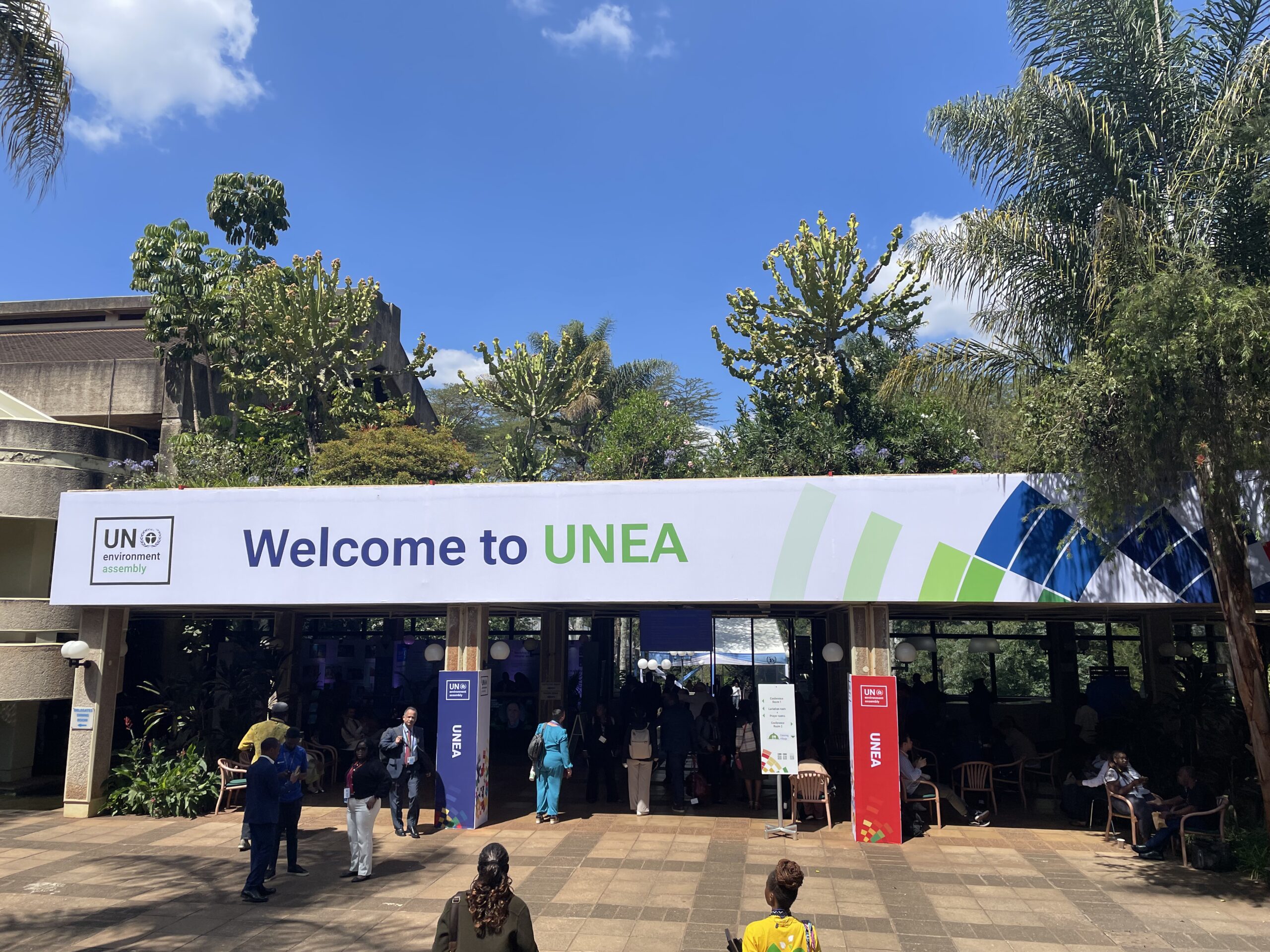
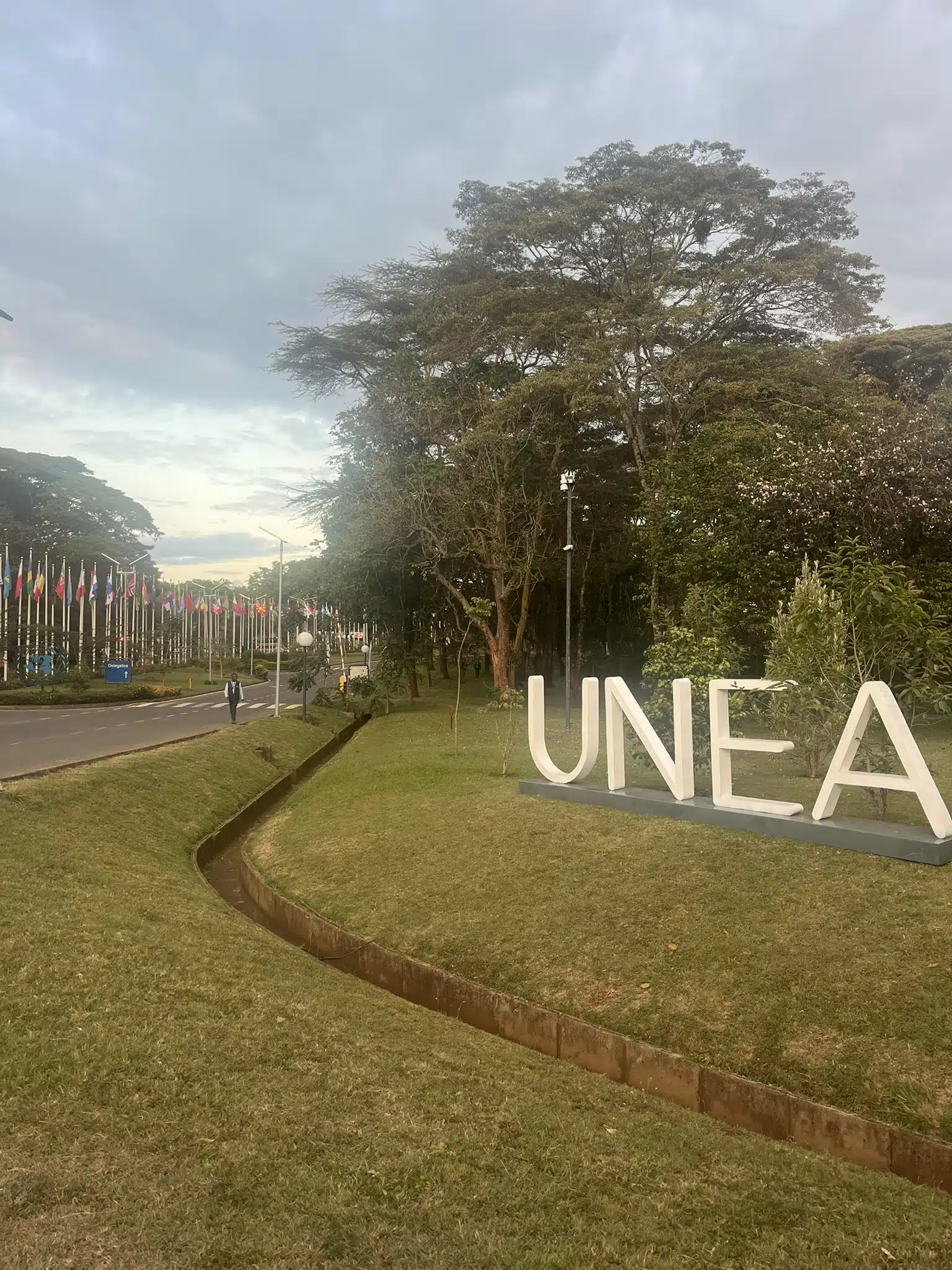
This sentiment, articulated by British chemist Sir Robert Watson, was a dominant message out of the seventh session of the United Nations Environment Assembly (UNEA-7). UNEA, which took place from December 8 to 12, in Nairobi, Kenya, under the theme “Advancing sustainable solutions for a resilient planet.” While UNEA receives less media attention than the UN Climate Summits (COPs), it is actually “the world’s highest-level decision-making body on the environment,” including all 193 UN Member States.
The scope of UNEA-7 was decided the week prior, during the meeting of the Assembly’s intersessional subsidiary body (the Open-ended Committee of Permanent Representatives). This gathering set the agenda, with negotiations divided into the following clusters: nature and climate; circular economy, chemicals, waste and pollution; governance and law; and strategic, budgetary, and governing bodies matters. More specifically, negotiations addressed issues like the management of critical minerals, the sustainable use of AI and efforts to address wildfires and sargassum seaweed blooms.
CEE Event Highlights
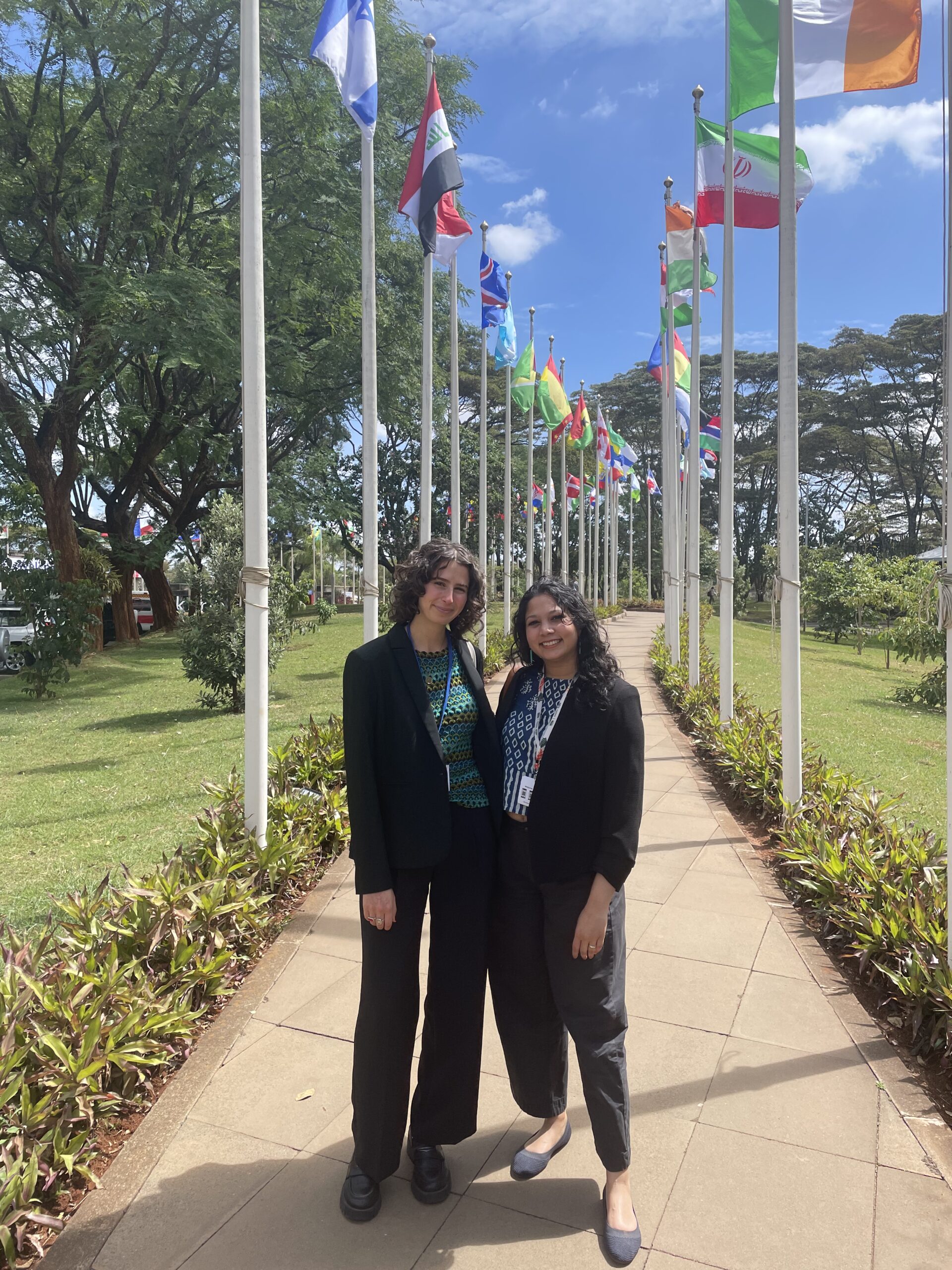
The Center for Earth Ethics, through Union Theological Seminary, is an accredited observer organization through the UN Environment Programme. This status allowed CEE Director of Strategic Initiatives Samira Siddique and Research Associate Clara Chavez-Ives to attend UNEA-7, where they monitored negotiations, met with key partners, and attended events on environmental conflict, plastics pollution, ocean conservation, ecosystem restoration and AI.
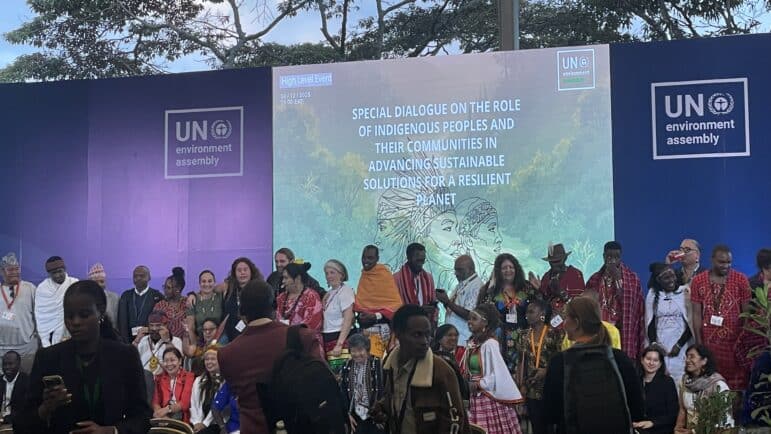
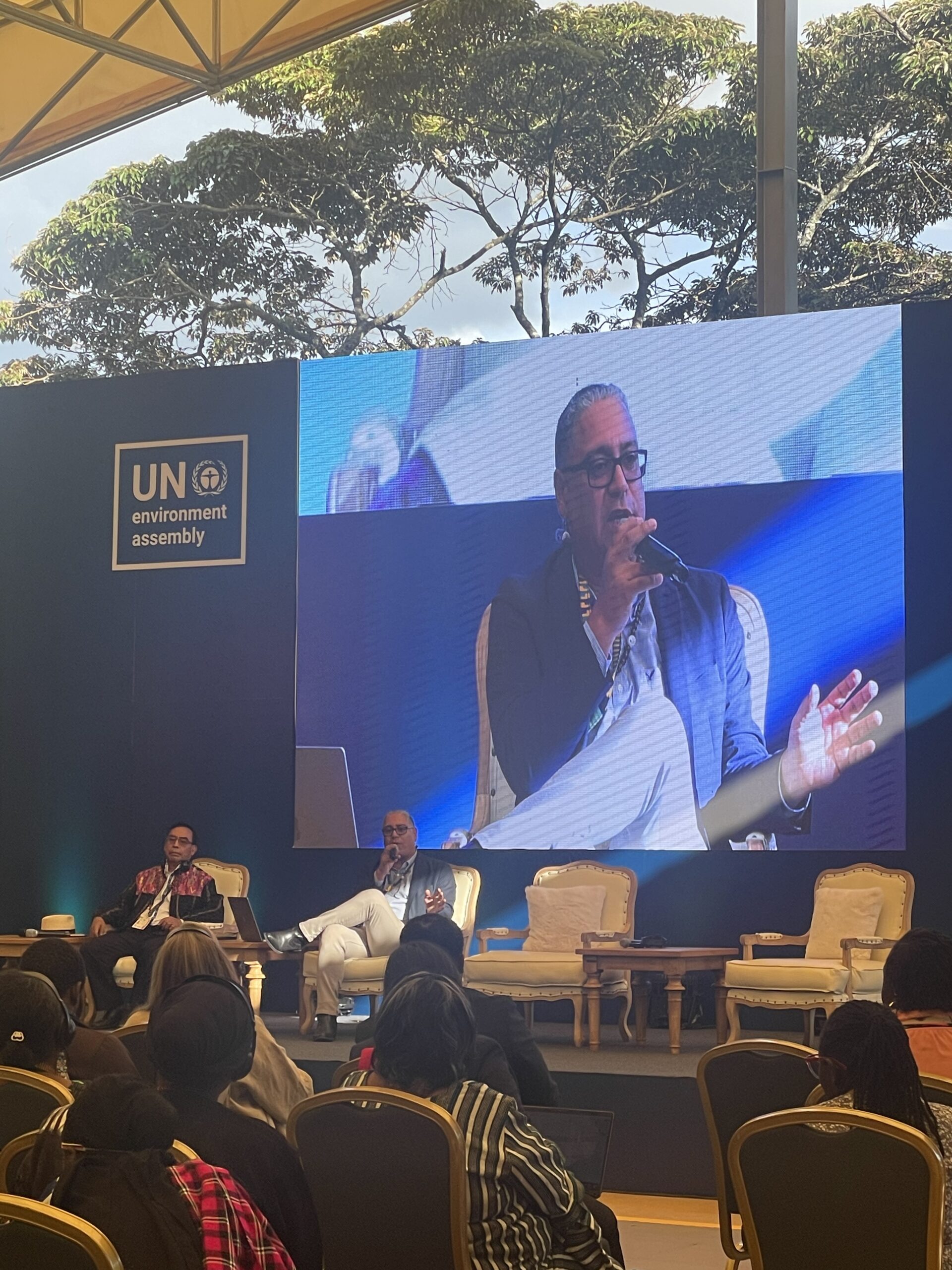
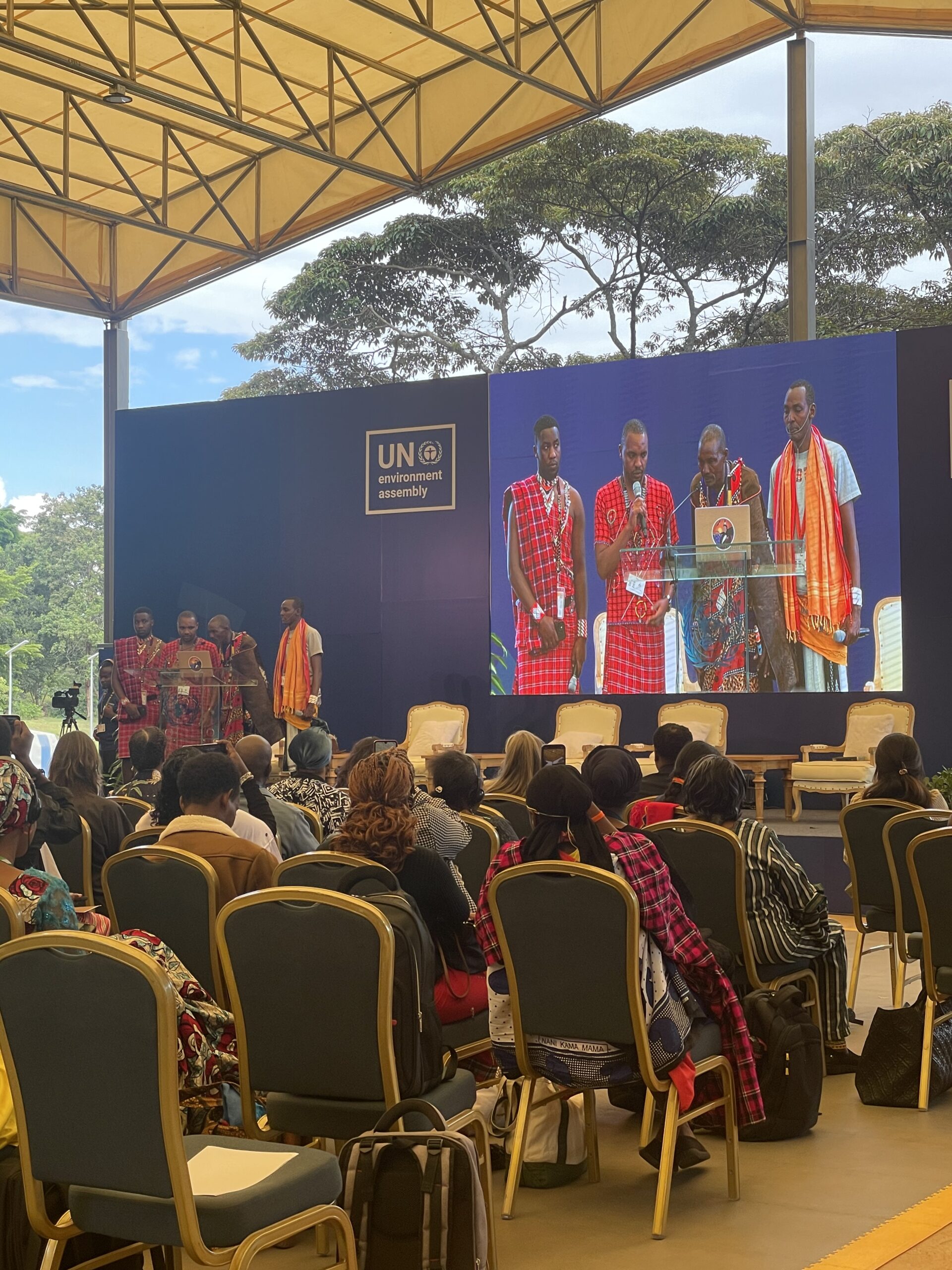
One highlight was the “Special Dialogue on the role of Indigenous Peoples and their communities in advancing sustainable solutions for a resilient planet,” where CEE Strategic Advisor Roberto Múkaro Borrero spoke about the High Seas Treaty (aka the Agreement on Marine Biological Diversity of Areas Beyond National Jurisdiction). Borrero explained that the treaty, which will enter into force in January 2026, contains several significant outcomes for Indigenous Peoples, including the integration of traditional knowledge systems alongside Western science in environmental impact assessments.
Doug Weir, director of the Conflict and Environment Observatory (CEOBS), who joined CEE’s Ecological Costs of War webinar in April 2025, also spoke at an event entitled “Making progress on Nature and Peace at UNEA: From Policy to Action.” Weir and other panelists highlighted the need for dependable baseline environmental data to measure the impacts of conflict on ecosystems. Even though UNEA did not adopt a formal resolution on environmental conflict this year, significant work has been done to bring this issue into UN spaces, including at the COPs.
What good is money on a destroyed planet?
Rohey John Manjang
Across the world, communities are drawing on faith traditions to catalyze climate action and support those on the frontlines of the crisis. In “Faith for the Future: Ethical Pathways to a Just and Resilient Planet,” Reverend Rachel Mash, environmental coordinator of the Anglican Church of Southern Africa, explained the Mothers’ Union Eco-Champs initiative, where women, experts through their lived experiences, connect faith to healing the Earth and educate their communities about issues like plastic pollution. Tiffany Tu, project specialist at the Buddhist Tzu Chi Foundation, shared about a community-based project in Indonesia that structured a community’s planned displacement from one area of a local river to another around their collective spiritual connection to the river.
Several events at UNEA-7 took up the devastating impacts of plastic pollution, with Rohey John Manjang, minister of Environment, Climate Change and Natural Resources of The Gambia, describing the need to focus on solutions over profit, asking: “What good is money on a destroyed planet?” This discussion (“Bridging Divides, Building Consensus: Towards an Ambitious Global Plastics Treaty”) brought together several government representatives from across the world, as well as the Kenyan representative from the Global Green Growth Institute. Ryo Nakamura, the Japanese ministerial representative, emphasized the need to deepen dialogue and noted that Japan was considering holding informal small dialogues in Tokyo. Importantly, he noted that disagreements over the scope of the treaty must be resolved, pushing for one covering the full life-cycle of plastic.
A foundation of scientific integrity has shaped UNEP’s work for decades. This was reiterated at the launch of the new Global Environmental Outlook report (GEO-7), the most comprehensive assessment of the environment to date, with contributions from more than 280 experts around the world, which, for the first time, included consultations with Indigenous Peoples
Finally, while not formally woven into negotiations at UNEA, several side events highlighted the International Court of Justice’s 2025 landmark advisory opinion that states have binding legal obligations to address climate change. In programming like “Advancing the Human Right to a clean, healthy and sustainable environment through a Just Transition for generations of tomorrow,” panelists outlined the broader legal and UN landscape, including the 2022 UN General Assembly Resolution 76/300, which recognized the human right to a clean, healthy, and sustainable environment and was reaffirmed in the ICJ’s advisory opinion. The discussion underscored the need to make the recognition of this right stick and the importance of engaging youth.
Looking Ahead
UNEA-7 concludes CEE’s 2025 engagement in global environmental and climate convenings. Major convenings like UNEA and the COPs only happen every one or two years, but they require months of steady planning, preparation and strategizing in order to bring forward aligned policy messages on the ethical and values-based approaches to climate and environmental issues. As we approach 2026, the work continues alongside other faith-based and environmental advocacy organizations that are accredited to UNEP.
We also look forward to continuing our exploration of key themes and issues highlighted in the Global Ethical Stocktake and other UN forums, including plastic pollution, the ecological costs of war, and the persistent siloing of biodiversity and climate initiatives. By sustaining these conversations, we aim to advance integrated, ethical, and values-driven solutions to the pressing environmental challenges of our time.