“Learning to Be Addressed by Place”
"Spirit of Place, Spirit of Earth" Participants Reflect on Experience at Training
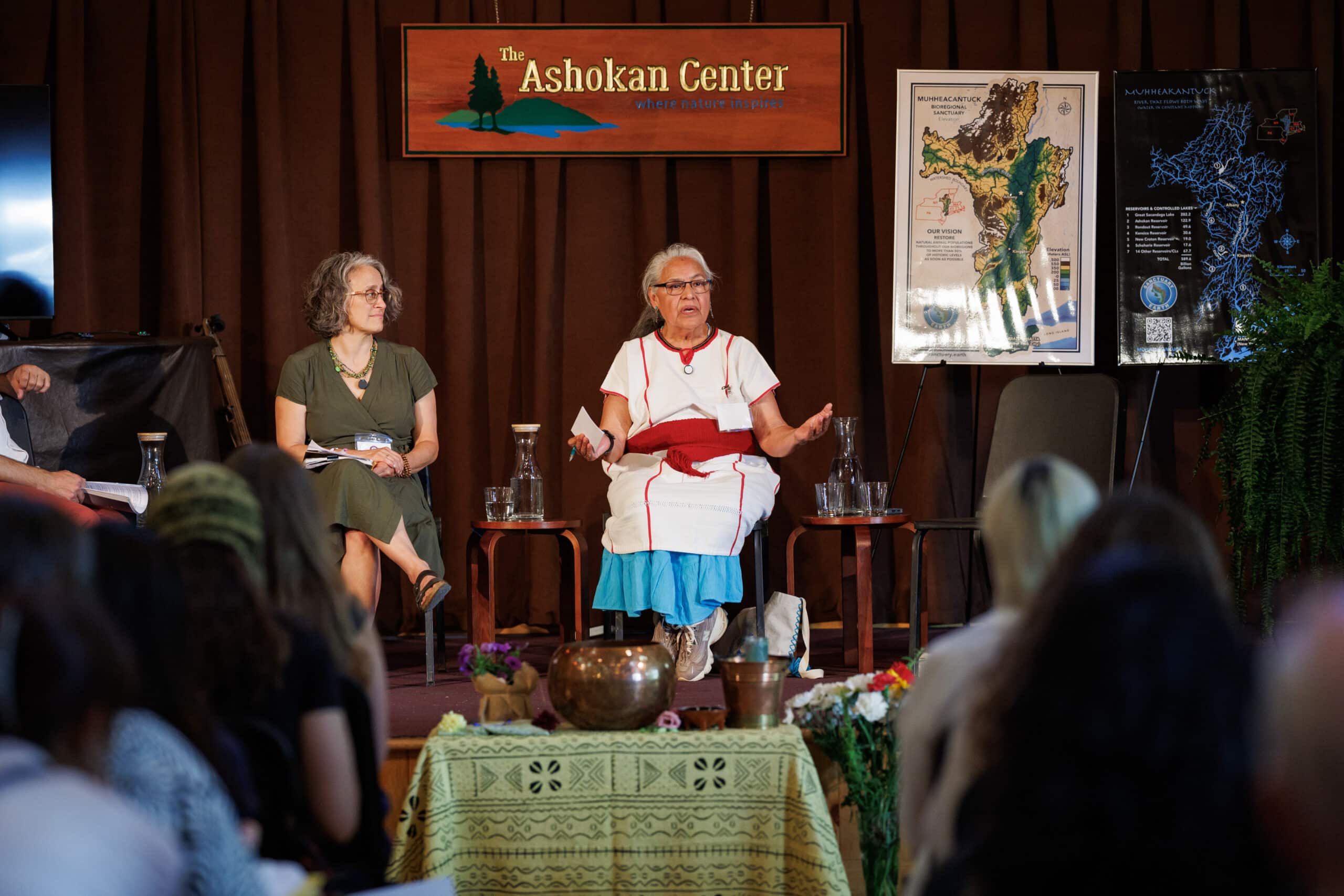
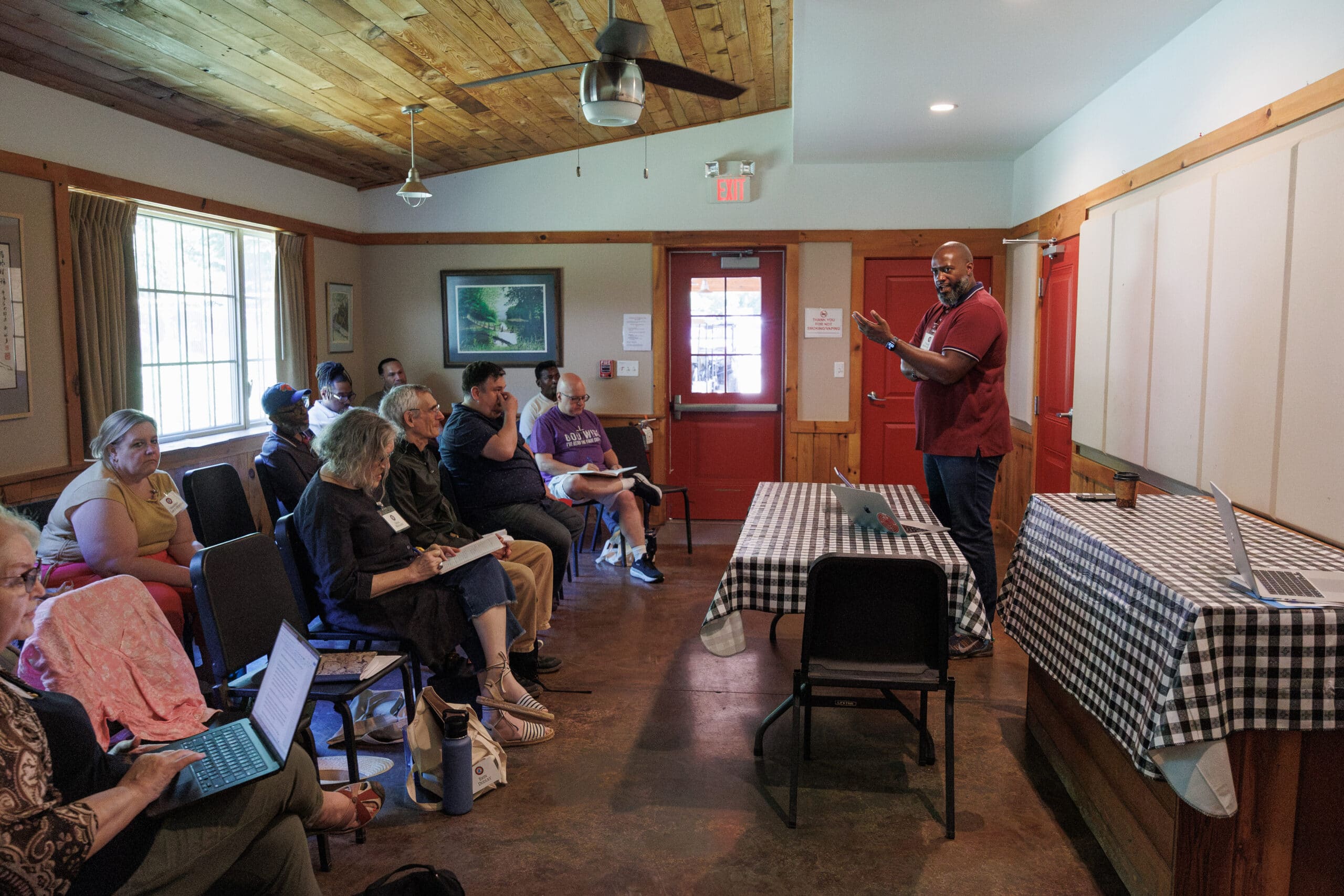
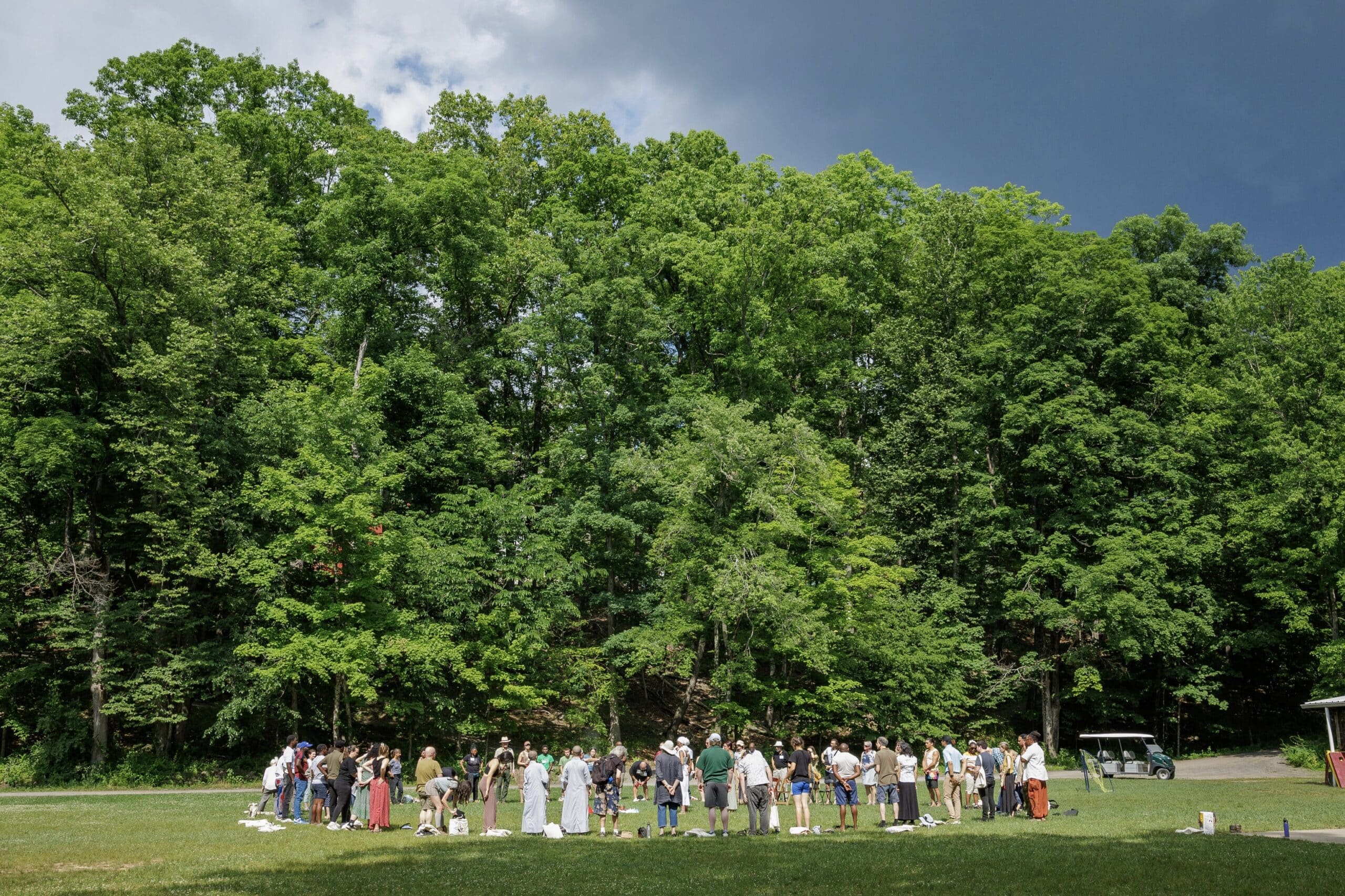
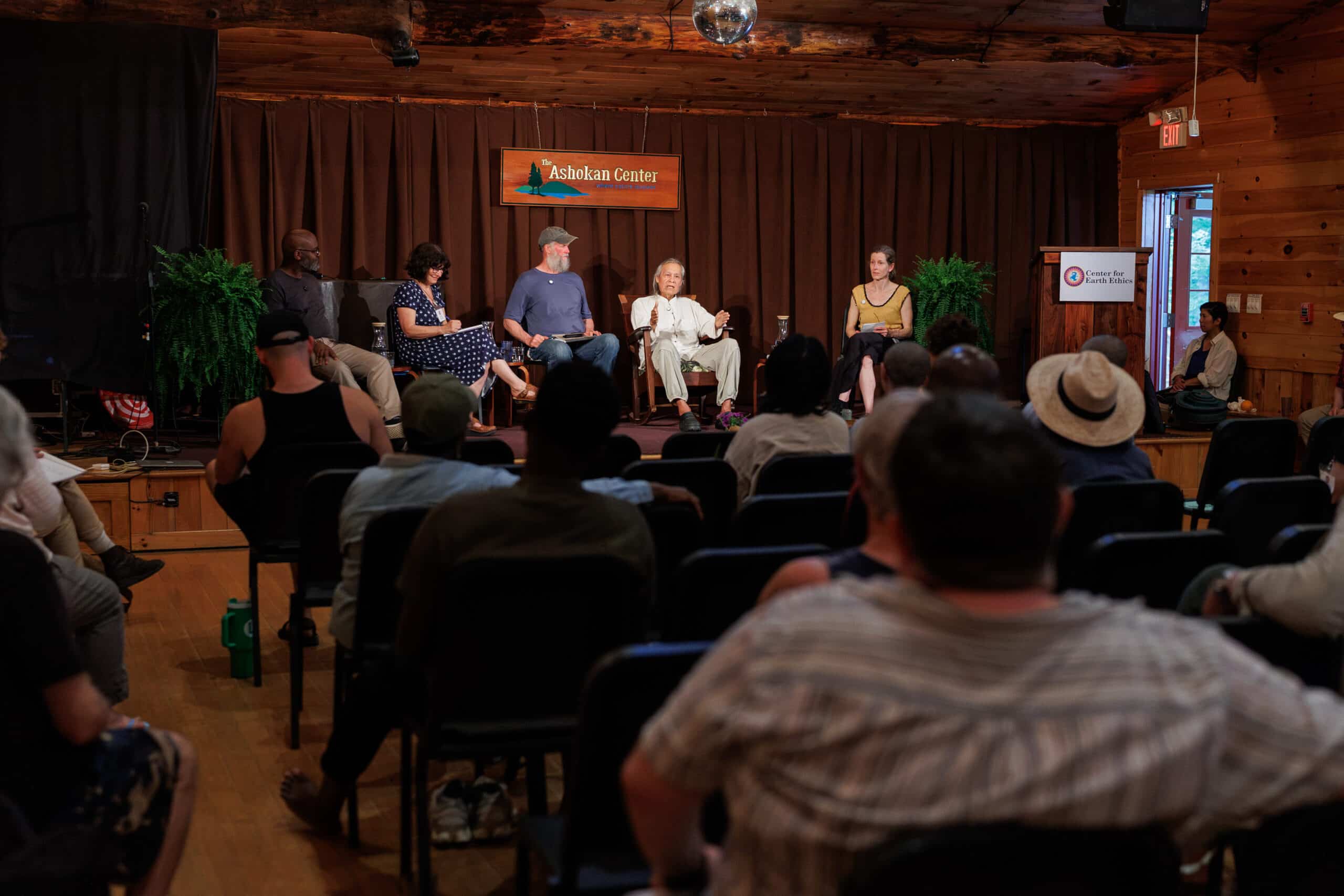
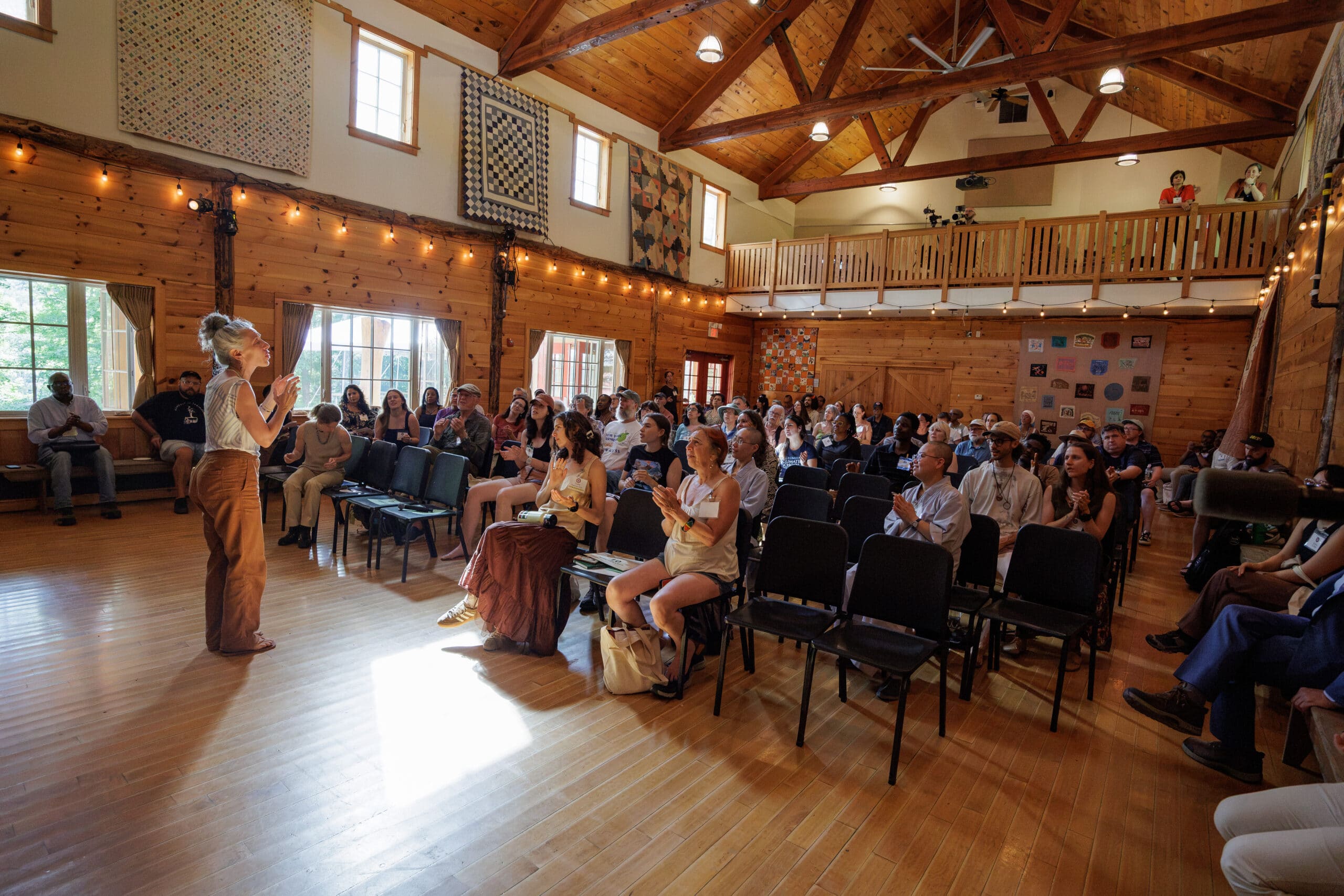
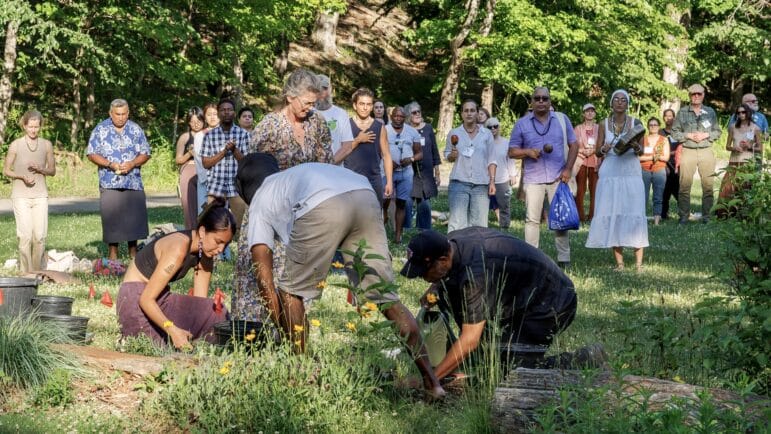
This past June, the Center for Earth Ethics hosted “Spirit of Place, Spirit of Earth: An Eco-Justice Training” at the Ashokan Center in New York’s Hudson Valley. More than 120 participants, speakers, facilitators and guests gathered for an immersive weekend of learning, reflection, conversation and time on the land.
Together, we explored questions of ecological belonging: How do we recognize and honor our innate relationship with the Earth? What does that belonging ask of us as people of faith and spirit? And how might a deeper sense of connection to land, water, community, and the more-than-human world strengthen our commitment to justice and collective action? We discussed climate science and policy, bioregionalism, environmental and climate justice, spiritual and religious perspectives on ecological belonging, and the power of collective action and moral courage.
In this post, six participants reflect on the training: what resonated with them, what challenged or inspired them, and what they are carrying forward.
Jump to authors: Ingrid Eck, Ibrahim Sambo Lawan, Laurie Seeman, SD Smith, Esquire (“Owl”), Venerables Xian’ai & Xian’an

Ingrid Eck
Ingrid Eck is pursuing a Master of Science in Sustainability Management at Columbia University. Originally from Tucson, Arizona, her work focuses on food systems, regenerative agriculture, environmental justice and desert ecologies.
I came to “Spirit of Place, Spirit of Earth” questioning what it takes to maintain hope while dedicating a life to environmental justice.
I grew up in Tucson, Arizona, immersed in Irish Catholicism, attending Catholic schools and churches from early childhood through high school. My relationship with religion eventually faded, and nature became the place where I encountered questions of meaning, interconnectedness and responsibility. A high school “earth camp” introduced me to Arizona’s wilderness and environmental community. College coursework on environmental justice then gave me the language to better understand and articulate what had drawn me to environmentalism: the possibility of advancing human well-being while protecting other animals and the ecosystems we share.
Now, years later, my sustainability work often manifests as number-filled spreadsheets and AI-coded workflows. Carbon accounting, ESG reporting and climate risk analysis are powerful tools. But translating something as vast and alive as our relationship with Earth into rows of data can make sustainability feel strangely two-dimensional. Combined with the constant backdrop of ecological destruction, social division and violence, I began to feel disconnected from the awe and excitement that brought me to this field.
I arrived at the Ashokan Center wondering whether I could draw on spirituality and interfaith dialogue to remain hopeful. But the experience ultimately invited me to consider something else: What if spirituality is not simply a resource for achieving environmental justice, but part of what environmental justice seeks to restore? The retreat convinced me of the latter.
I still believe deeply in the value of measurement, policy and institutional change. But I am learning to place these alongside spiritual values like wonder, reciprocity, contemplation and presence. These values matter not only because they can sustain environmental justice work, but because they reflect qualities of the world we are working to create.
Instead of viewing my meditation practice as a tool to motivate my “real” environmental justice work, I now see the presence and acceptance it cultivates as part of the world I am working toward. That acceptance does not mean giving up on my desire to make the world better. Rather, meditation has helped me distinguish between working toward change and needing to control the outcome. Environmental justice asks us to pursue change, but also to have the humility to recognize the limits of our control.
For me, sustaining hope increasingly means learning to hold both at once: working toward the world as it could be while remaining present to, and caring for, the world that is. Perhaps environmental justice is not only an outcome we are working toward, but a way of relating to the world in the present.

Ibrahim Sambo Lawan
Ibrahim Sambo Lawan, an IPEJI Fellow, is an emerging and prolific New Testament scholar committed to faith-based environmental stewardship and community transformation.
The quest for justice and equality often leads to a deep analysis of the problems facing our globe. While we should look at things from a global perspective, a purely global view can make us miss the small details that matter—especially in the fight against the ongoing degradation of local environments by regional actors and commercial companies. Furthermore, global analysis often suffers from a major flaw: it excels at naming and dissecting problems, but fails to offer concrete hope.
The 2026 Ashokan retreat, “Spirit of Place, Spirit of Earth,” went far beyond simple analysis. The Ashokan Center’s beautiful location grounded our conversations about place and the Earth. This depth began with a careful strategy to create a conscious connection between science and spirituality. This approach addressed a critical link in the climate emergency: the reciprocal relationship between a specific local place and the entire Earth, which helps us define what true justice means as a whole.
This foundational understanding and physical grounding in a specific location completely shifted my perspective on the climate crisis. The initial sessions perfectly set the stage for Tim Guinee’s discussion on the causes and effects of man-made climate change, such as fossil fuel combustion, industrial manufacturing, deforestation, agricultural practices, and the greenhouse effect. His emphasis on micro-actions, mass communication, finding common ground, depoliticizing the issue, and community co-development deeply influenced my reflection. Like many other sessions, it ignited a powerful desire to protect the Earth, starting in one specific place to benefit the whole planet. I feel immense appreciation and gratitude for the opportunity to attend this retreat, where I connected deeply with like-minded individuals who share a passion for environmental stewardship.

Laurie Seeman
Laurie Seeman is an artist, naturalist and educator known for her pioneering work in the field of place-based art and environmental education. With founding Strawtown Studio in 2002, she combined her 20 years of experience as an artist, curator and creative entrepreneur in NYC with a passion for nature and spending time with children.
The Center for Earth Ethics annual retreat has become a favorite for me. I am deeply grateful to be included in this exchange of current thinking and practice among people working on behalf of our common home in so many different ways.
The Ashokan Center could not be a more fitting place for convening of Earth-devoted way-makers, looking for uplift and empowerment amidst a world facing immense challenges. I was so moved to hear the origin story of the Ashokan Center from founders Jay and Molly Unger—from their despair at their beloved summer camp going up for sale to a series of miracles that ultimately allowed them to save it. This very place brings hope to all who enter.
I was struck by the brilliant spectrum of people all gathered in one place: organic farmers, artists, place-based educators, citizen scientists, watershed advocates, activists, government policy makers, Earth-based spiritual and ceremonial leaders; the kinds of people I seek out in my life as an artist, educator and activist. Experiencing the purposeful exchange brought a great sense of cohesion and was incredibly empowering.
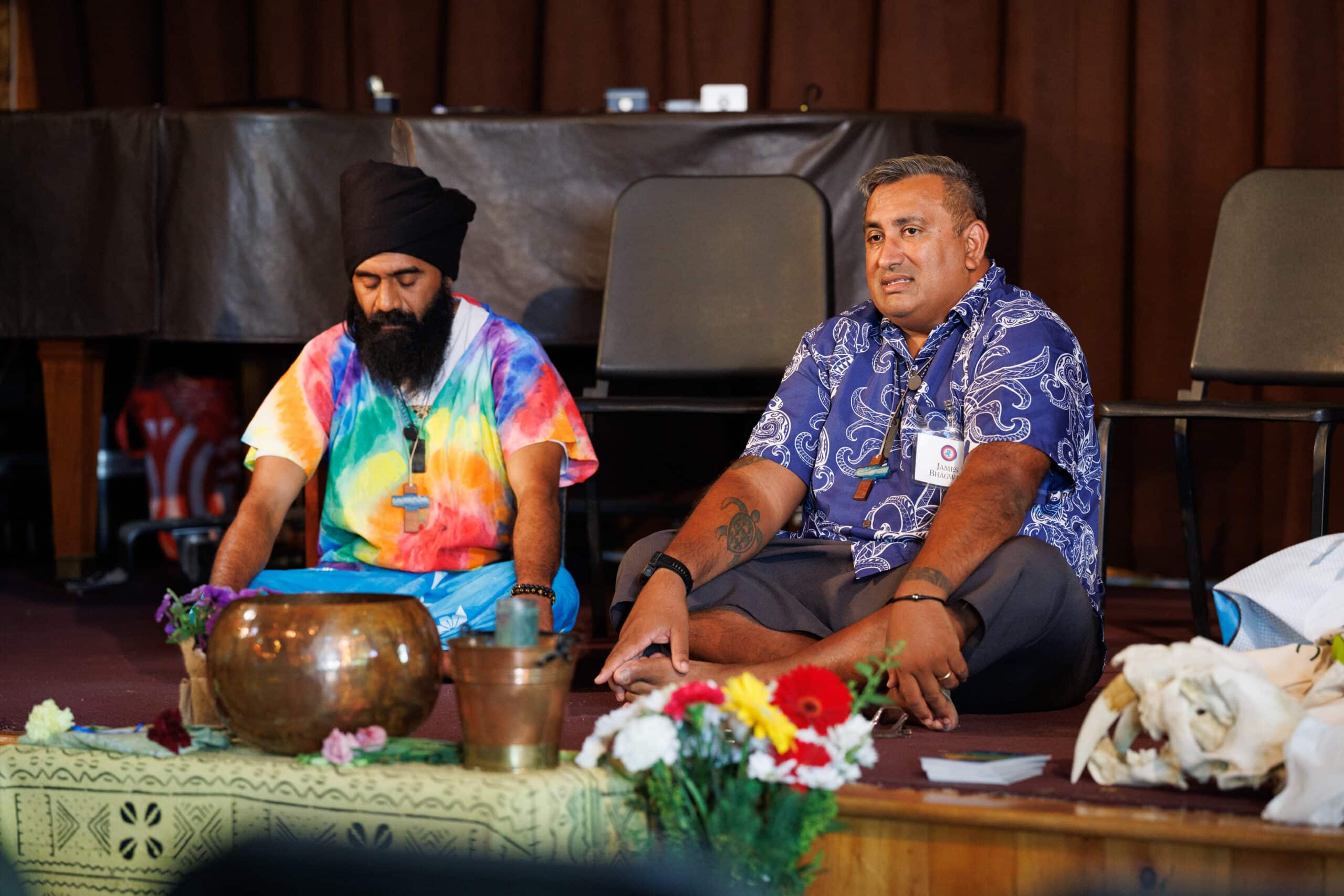
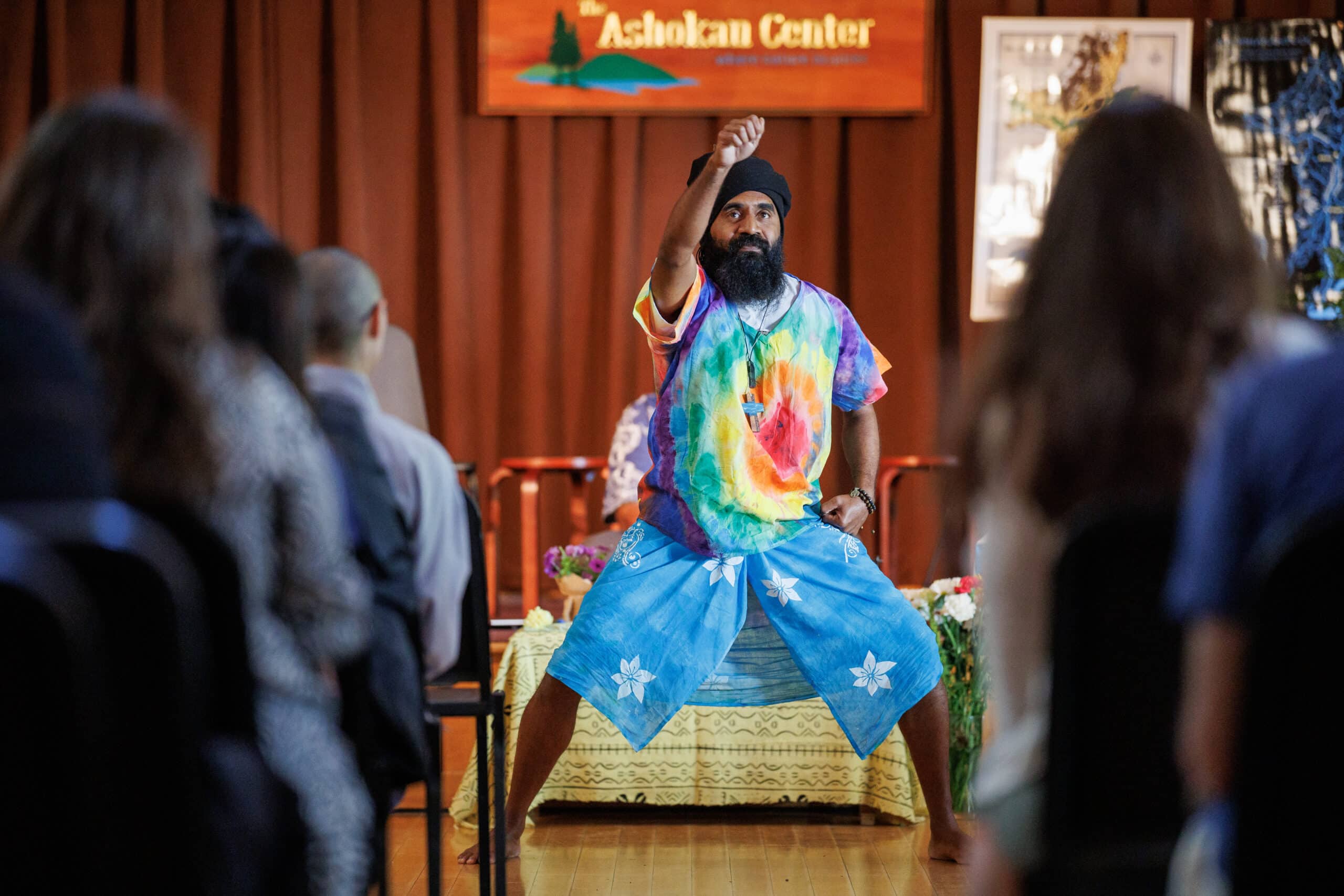
I was especially moved by Rev. James Bhagwan’s witness about his people’s disappearing islands—their home being slowly swallowed by rising oceans. This reached my heart in a way no global news brief ever can. The ceremony he led, which involved water he had brought from three depths of the Fiji ocean coastline, has stayed with me. I now see the beingness and spirit of open water more dimensionally.
Another powerful moment was watching Veronica Raya tend the evening campfire. She would sit still on the outermost edge of the circle, every so often approaching the fire to lay on another log or move the coals before retreating back to the edge. She never once seemed distracted. She always moved with the speed of the fire—never preemptively. Observing Veronica’s fire-tending practice taught me so much about a greater way of being.
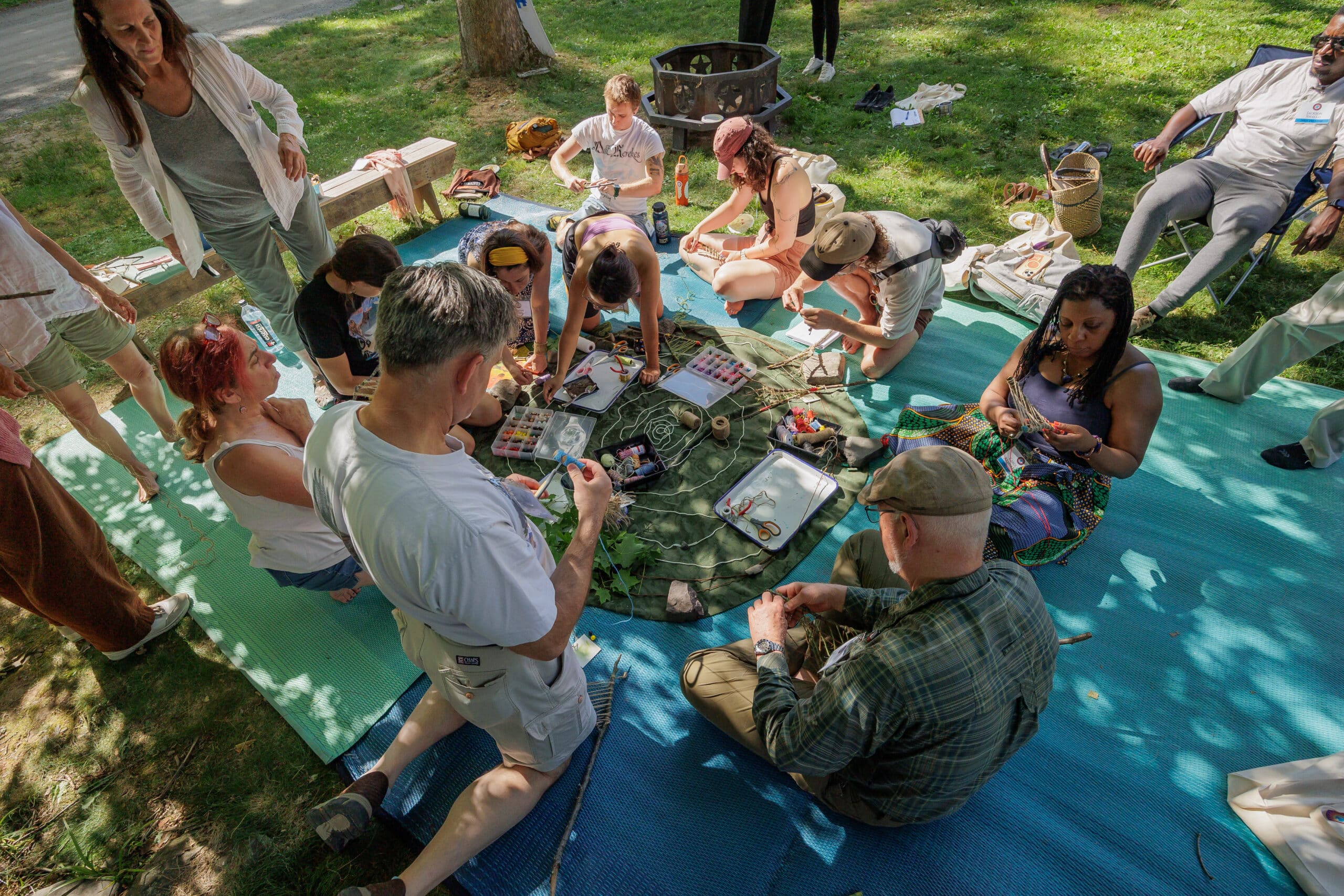
I founded Strawtown Studio 23 years ago to help young people know the Earth, find their own ways of relating and taking care of it, and explore their creative potential—all within community. And it is increasingly clear that this kind of experiential, Earth-based education is needed among adults too. At the Ashokan retreat, we led a nature, art, science workshop called ”Trees: The Classroom Between Heaven and Earth”. Simply sitting on the Earth, working with our hands, and being together in that way created a deep shift in energy. Talking and decompressing after hefty talks of great significance during the plenary sessions was still “doing the work” together.
Being with so many people dynamically living into their Earth caretaking was incredibly inspiring. Learning what is calling them forward—and what is sustaining their devotion—was like finding a town I want to move to.

SD Smith, Esquire ("Owl")
SD Smith received his bachelor of arts in political science from the University of California at Santa Cruz and his doctorate of jurisprudence from the University of California at Berkeley. Mr. Smith is currently an advisor to the Ramapough Mountain Indians, Inc.
Anushiik (thank you in Munsee language) for this meeting of Spirit of Place, Spirit of Earth.
I remember that a long time ago B.C. (Before Covid) most meetings were in-person. The renowned linguist and scholar Noam Chomsky says that despite the emergence of digital ways and technology the best way to communicate is in-person.
Sometimes there is a quote that stays with you out of such meetings. One is a quote from Gus Speth who said “I used to think the top environmental problems were biodiversity loss, ecosystem collapse, and climate change. But I was wrong. The top environmental problems are selfishness, greed and apathy.”
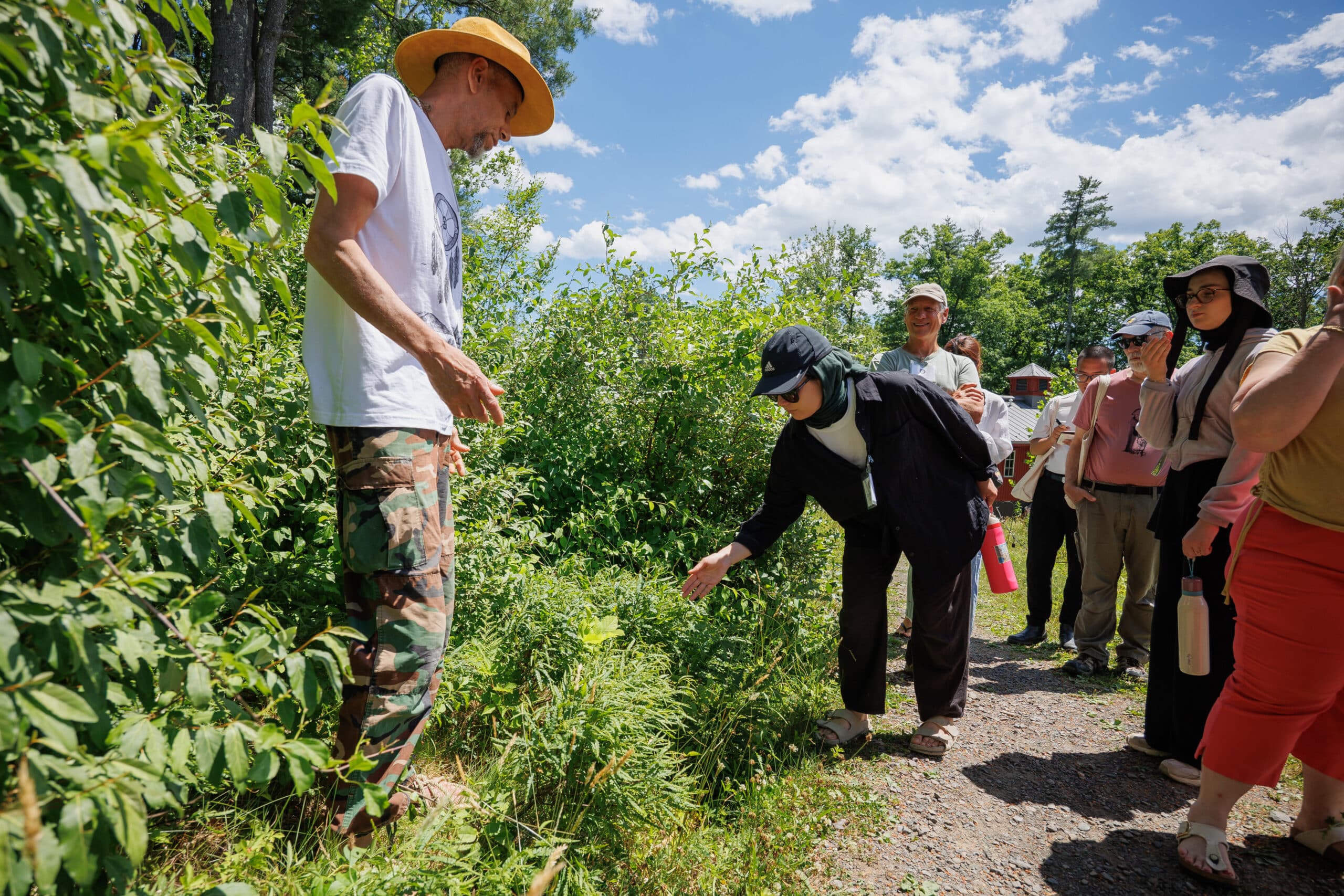
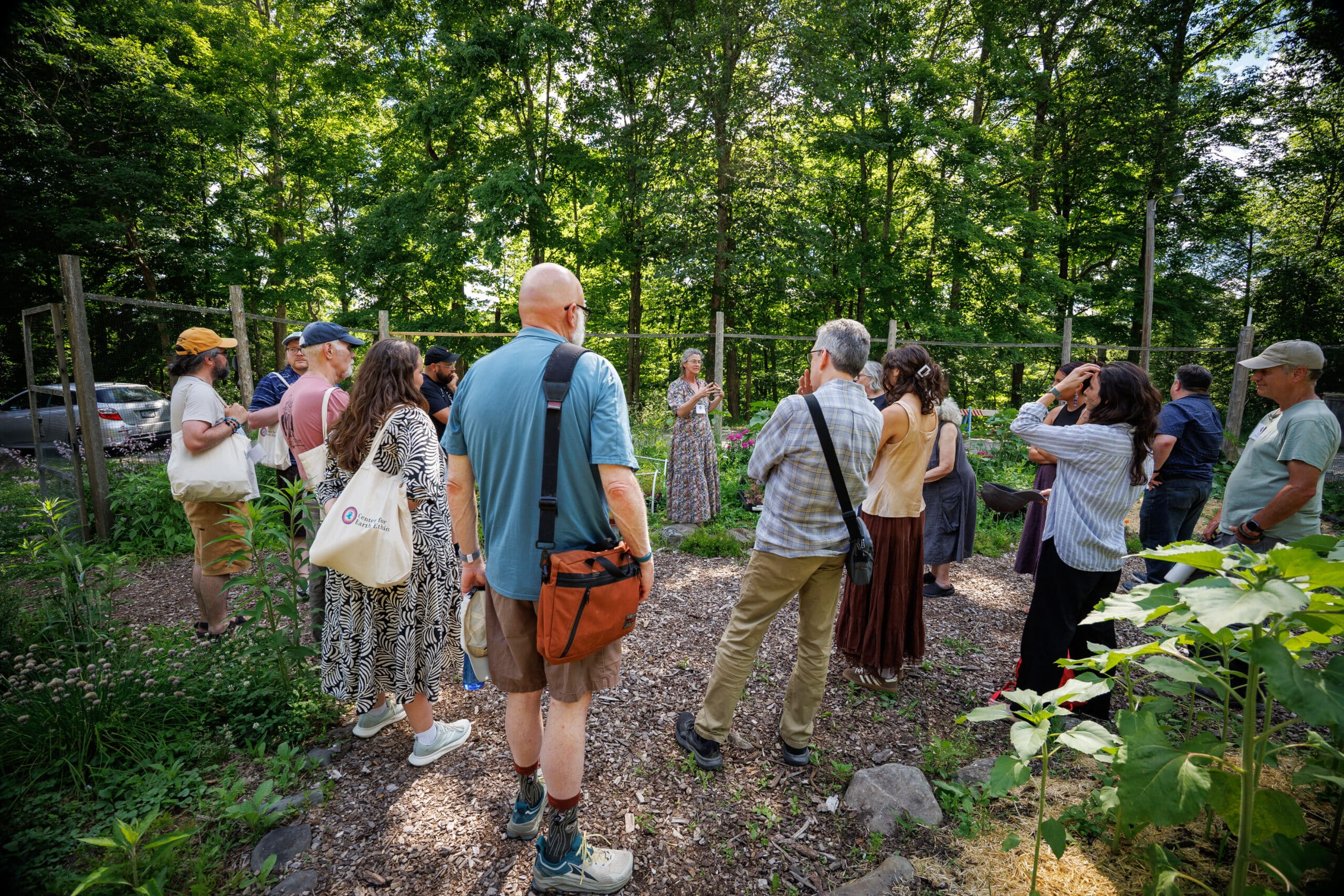
Then there are other sublime moments that go beyond the video call and digital world, like a nighttime gathering with astronomer Bob Berman talking about the cosmos and stars from our place on Earth, and Poppy Jones and Tory Field walking and talking about the Ashokan Center’s material and physical place through the plant life at this Spirit of Place conference.
Anushiik.

Venerables Xian'ai and Xian’an
Venerables Xian’ai and Xian’an are Buddhist nuns and fourth-year doctoral students at Union Theological Seminary. They are grateful for opportunities to learn in interfaith settings and engage in practices that foster compassion, presence and collective care for Mother Earth and all beings.
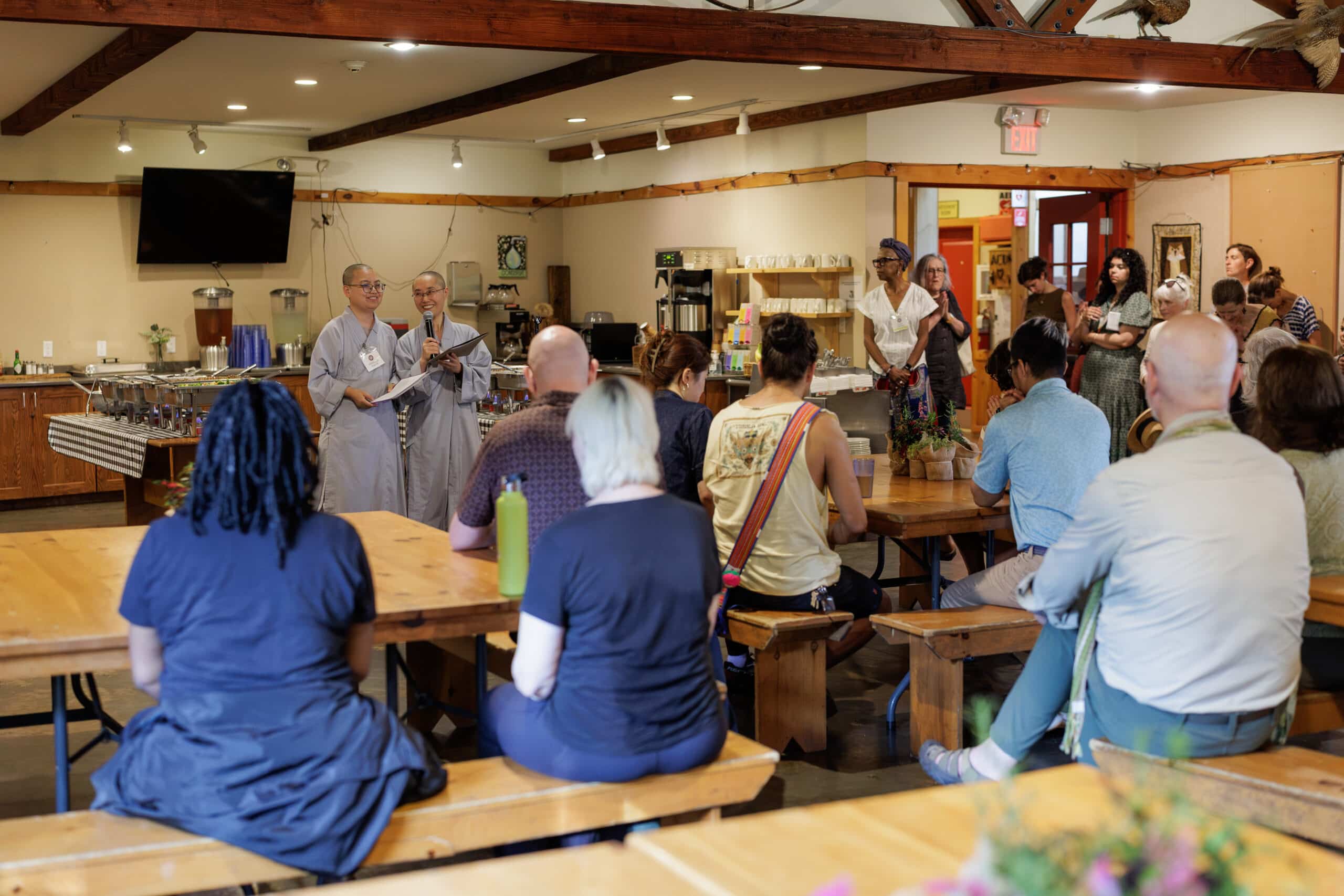
What stayed with us from “Spirit of Place, Spirit of Earth” was the way care was embodied. A small experience surprised us. As Buddhist nuns who observe a vegan diet, we appreciated the organizers’ coordination with the Ashokan Center kitchen to ensure suitable food. We later learned that participants with other dietary needs were similarly accommodated. That simple gesture stayed with us.
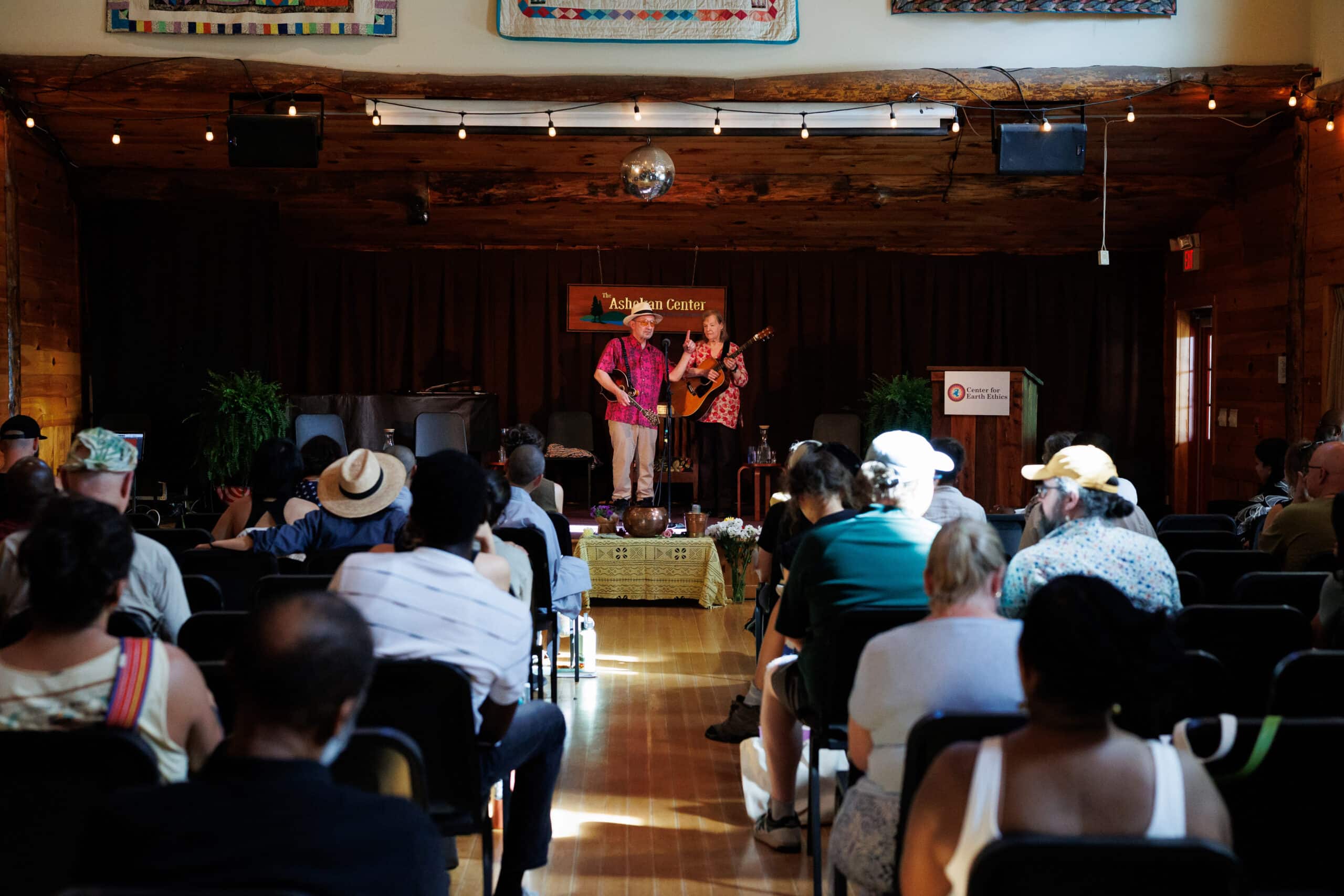
This was our first visit to the Ashokan Center, and the place itself became part of the learning. We were moved to learn that Jay Ungar and Molly Mason, alongside longtime participants, had helped preserve this 385-acre landscape—and to hear them share their music there. Surrounded by forest, water and open land, we felt what it means to belong to a place, not merely occupy it. Ecological belonging became something experienced, not only discussed.
These experiences raised a larger question: What would it mean to extend the attentiveness we offer to human needs beyond the human—to animals, plants, water, soil and other forms of life? Interdependence is central to Buddhist thought and practice, but the gathering reminded us that it must shape how we perceive and respond to the lives around us.
A reflection from Tiokasin Ghosthorse also stayed with us: the pause between lightning and thunder. He invited us to attend to what might be heard in that interval—a “language of awe” that modern thought can overlook. His reflection suggested that ecological attentiveness requires not only action, but also becoming quiet enough to listen.
We were also moved by Karenna [Gore], Veronica [Raya], Ned [Joyner] and the other organizers. Their hands-on care showed us eco-justice not only as advocacy, but also as a daily discipline of hospitality, attentiveness, humility and service.
Karenna invited us to offer a Buddhist prayer before dinner. We gave thanks to Earth, water, sunlight and air; to plants and animals; and to the farmers, cooks, organizers, and visible and invisible conditions that brought the meal to our table. In that moment, hospitality, interdependence and listening converged. It deepened a question we are carrying forward: Can ecological justice move beyond “protecting nature” and become a practice of restoring right relationship?
This question resonates with our work as Buddhist nuns and doctoral students studying ritual, animals, and ecological care. Ritual can help us slow down, attend to ordinary suffering, mourn overlooked lives, and renew our commitments to the more-than-human world.
What we carry from Ashokan is gratitude, but also a practice: to let care widen and attention deepen. Perhaps ecological justice begins when our attentiveness expands across more than human beings—and when we become quiet enough to hear the living world to which we already belong.