
The Immorality of Inaction and Our Responsibility to Protect Life

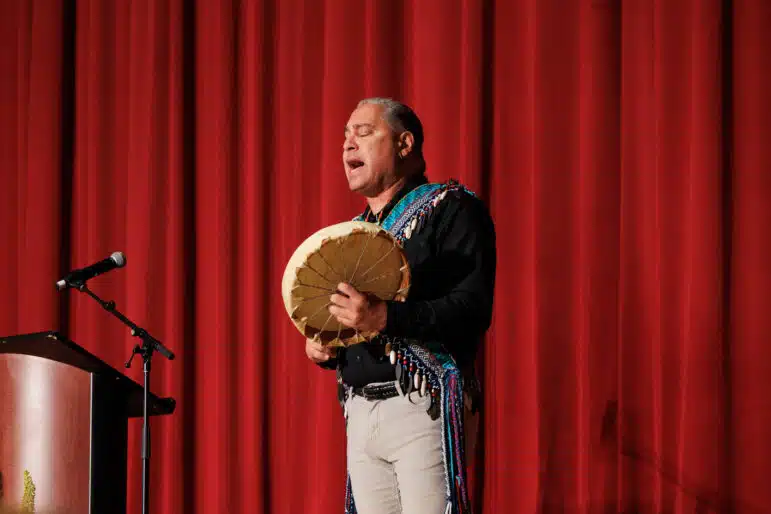
I recently participated in the event “The Immorality of Inaction: Voicing Truth on Climate” at Riverside Church in New York City. It was such a profound event, taking place just before Climate Week in New York. Since then, I have had time to reflect on what was shared that day and on my own participation. What follows are some additional reflections that I did not have an opportunity to share, offered from my perspective as a Taíno leader and from the responsibilities that I carry toward the Earth and future generations.

To begin, inaction is not neutral when our relatives—the waters, lands, plants, animals and future generations—are being harmed. To recognize that harm and still choose silence is to turn away from our responsibility to protect life. 

I offer these reflections from my own understanding of Taíno ways, shaped by discussions with elders, historical research and revelations received during my ongoing spiritual journey. My starting point is grounded in the relationship between spiritual responsibility and the choices we make about the Earth and one another.
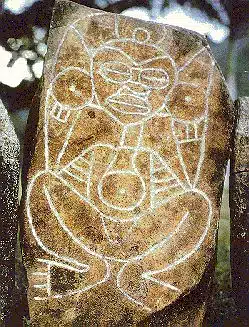
In my understanding of Taíno spirituality, Atabeira, our cosmic matriarch, sustains both our spiritual and physical lives. She connects us with the living waters, fertility and creation. To speak of Atabeira is to acknowledge relationships grounded in respect, reciprocity and responsibility. These relationships ask us to recognize the life that sustains us, give back through care and restoration, and act when that life is threatened. For instance, water sustains our bodies, nourishes our foods, and connects generations. Treating it only as a commodity diminishes our understanding of what we are responsible for protecting.

Recognizing these relationships helps us understand the spiritual dimensions of climate change.

Inaction is not neutral when our relatives—the waters, lands, plants, animals and future generations—are being harmed. To recognize that harm and still choose silence is to turn away from our responsibility to protect life.

Western science helps explain the physical causes of global warming and why deep, sustained reductions in greenhouse gas emissions are necessary to limit further warming. Indigenous knowledge systems also contribute understandings of environmental change, grounded in observation, experience and relationships with particular lands and waters across generations. Confronting the climate crisis requires respecting these distinct systems of knowledge while examining the values that allow destructive practices to continue. A society can possess extraordinary technical knowledge while refusing to accept responsibility for the harm its decisions cause.

When taking becomes an entitlement and giving back becomes optional, we violate a sacred covenant of reciprocity. The damage caused by this disregard can reach into ancestral continuity.

When climate impacts threaten places, foods, medicines and practices through which knowledge is transmitted, the losses can extend beyond physical damage. They can weaken relationships among ancestors, living communities and generations yet to come. How do we pass on responsibilities to a place if our children can no longer safely live there? What happens to knowledge when the conditions needed to practice it disappear?

These questions bring us to climate justice. The Intergovernmental Panel on Climate Change (IPCC) has documented unequal contributions to greenhouse gas emissions and unequal climate harms. It has also recognized how inequity, marginalization and colonialism deepen vulnerability, including for many Indigenous Peoples. Responsibility cannot fairly be assigned as though everyone caused this crisis equally or has equal power to respond.

Confronting the climate crisis requires respecting these distinct systems of knowledge while examining the values that allow destructive practices to continue. A society can possess extraordinary technical knowledge while refusing to accept responsibility for the harm its decisions cause.

For me, climate justice requires accountability for harm and support for those living with its consequences. It also requires Indigenous self-determination. Our Peoples must be able to shape decisions affecting our lands, territories, waters, and futures. The United Nations Declaration on the Rights of Indigenous Peoples affirms our rights to self-determination and participation. Articles 19 and 32 require States to consult and cooperate in good faith with the Indigenous Peoples concerned, through their own representative institutions, to obtain their Free, Prior and Informed Consent before adopting measures or approving projects covered by those provisions. These rights must guide climate action from the beginning.

A project presented as a climate solution must still answer difficult questions. Who makes the decisions? Whose territory bears the impacts? Are sacred places protected? Can the affected Peoples exercise their rights? An emissions benefit cannot excuse dispossession or the destruction of relationships that sustain communities. We should judge proposed solutions by how they treat life and uphold rights, as well as by the carbon they claim to save.

This responsibility becomes more difficult in a political climate where right-wing agendas can frame environmental protection as an obstacle and Indigenous rights as an inconvenience. Where governments weaken safeguards, dismiss evidence, or narrow opportunities for public participation, the space for accountability contracts. We must challenge those choices wherever they occur. A party label cannot determine whether a river deserves protection or whether Peoples’ rights deserve respect.

We also need to be cautious about whom we condemn when we speak of inaction. A community facing threats, poverty, exhaustion or disaster may have limited choices. Silence can reflect fear rather than indifference. The greatest accountability belongs with those who have the authority, resources and knowledge to prevent harm and nevertheless choose to perpetuate it. Our response should help people act together, with the support and protection they need.

We inherited gifts from our ancestors, along with obligations. What we leave behind will shape whether future generations can maintain their own relationships with the waters, lands, plants and animals.

There are practical ways forward. We can strengthen relationships close to home through food growing, water protection, seed keeping, restoration and the transmission of language and knowledge. The United Confederation of Taíno People’s Konuko Project in Borikén, for example, offers a direction for this work, bringing together aspirations for land restoration, food sovereignty, cultural revitalization and community learning. Such work gives responsibility a place to be practiced and shared.

We can also build stronger networks among Indigenous Peoples, faith communities, scientists, workers and others committed to protecting life. These relationships should respect Indigenous leadership and distinct rights. They can support public education, participation in hearings, community monitoring and access to legal assistance. When one community is isolated or pressured into silence, others should be prepared to stand with it.

Local work must be connected to demands for government and corporate accountability. Growing food and restoring land cannot release major polluters from the obligation to reduce emissions. Community resilience cannot become an excuse for governments to abandon public responsibilities. We need both the capacity to care for one another and the organized strength to challenge decisions that keep producing harm.

Prayer and ceremony can sustain us through this work. They can help us grieve, remember our relationships and renew our commitments. But the responsibilities affirmed in ceremony must also guide budgets, policies, investments and everyday conduct. To pray for water while accepting its destruction leaves that responsibility unfulfilled.

I do not feel that hope requires us to minimize the danger. Hope asks us to remain responsible within it. We can acknowledge loss and political uncertainty while teaching our children, strengthening our networks and defending the conditions that make life possible.

We inherited gifts from our ancestors, along with obligations. What we leave behind will shape whether future generations can maintain their own relationships with the waters, lands, plants and animals. They will inherit the consequences of our choices, including the choices we avoid.

The immorality of inaction lies in recognizing that life is being harmed and choosing to turn away. Our responsibility is to remain in relationship—and to act on what that relationship asks of us.