
“So much to fight for”
New Book Explores Ecopsychology and Human-Nature Relationships
“The stories here—some joyful, some haunting, all true—are not just tales of loss. They are calls to action and resilience. They are an invitation to remember what we have forgotten, grieve what we have lost and imagine what can still be saved.”
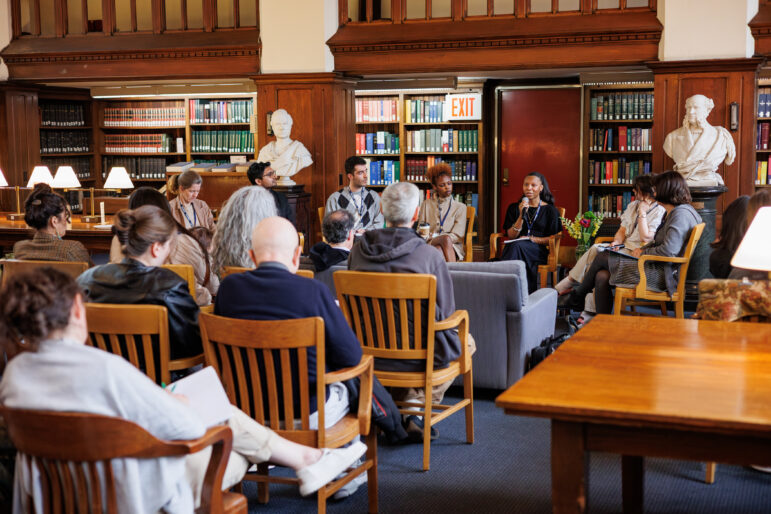
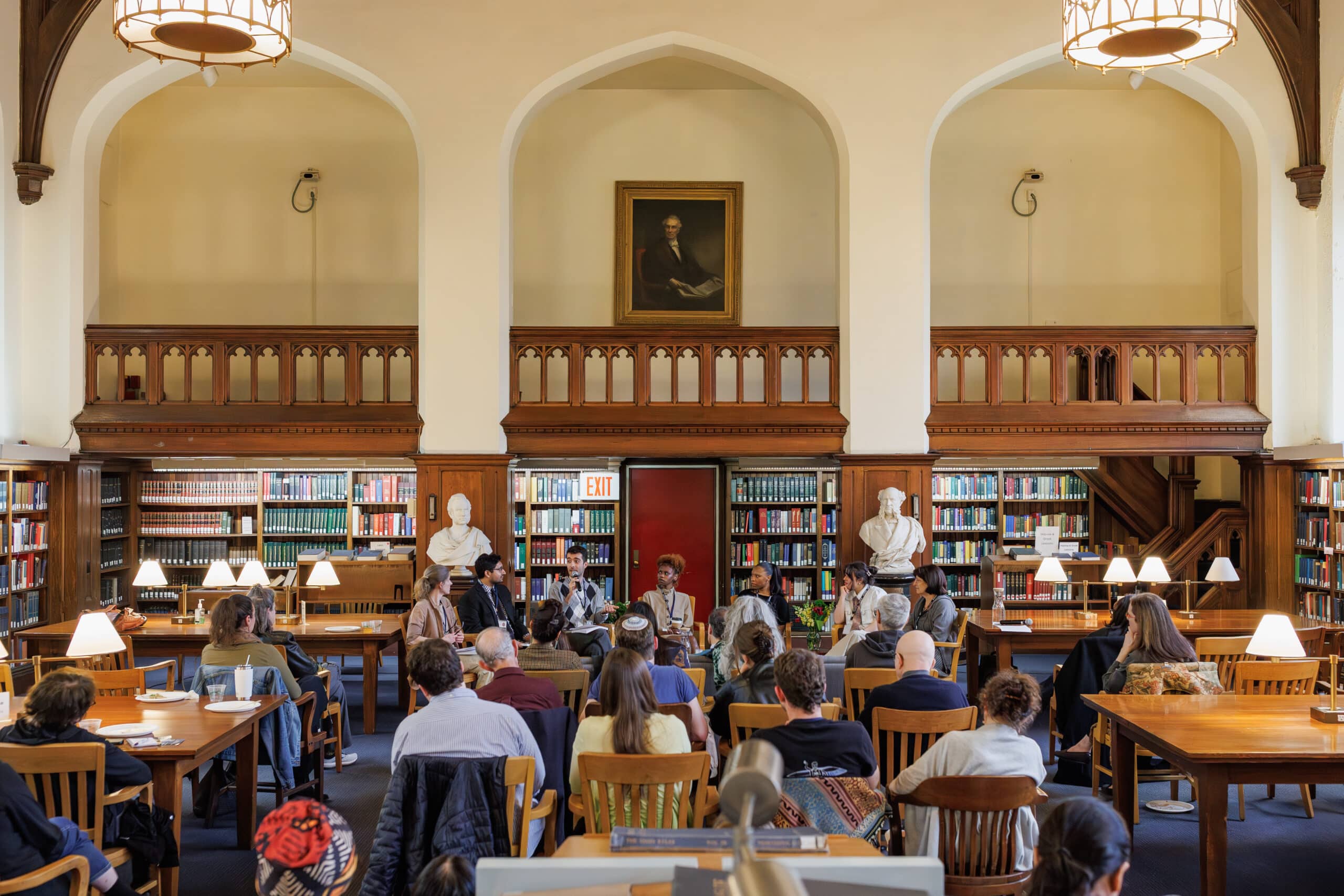
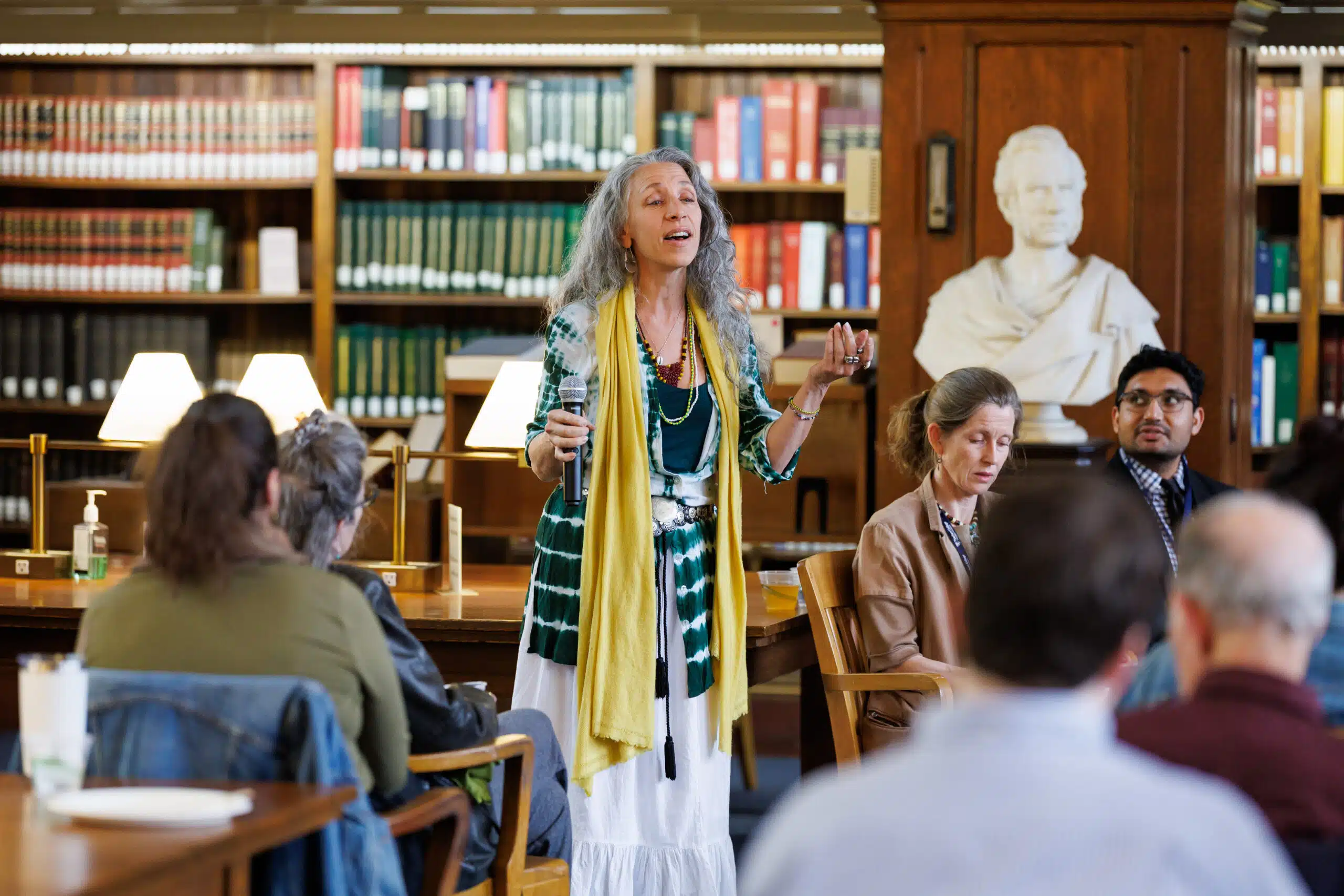
Susan Bodnar, adjunct associate professor of counseling and clinical psychology at Teachers College, emphasized the profound emotional resonance of the stories found in “Unmoored Yet Unbroken: Ecopsychology for a Changing World.” On April 28, more than 50 people gathered in Union Theological Seminary’s Burke Library for a conversation about the book, which foregrounds the intricate interdependence between humans and the natural world. Through “stories and observations” the volume demonstrates how these relationships are vital for mental health and essential in fighting climate change.
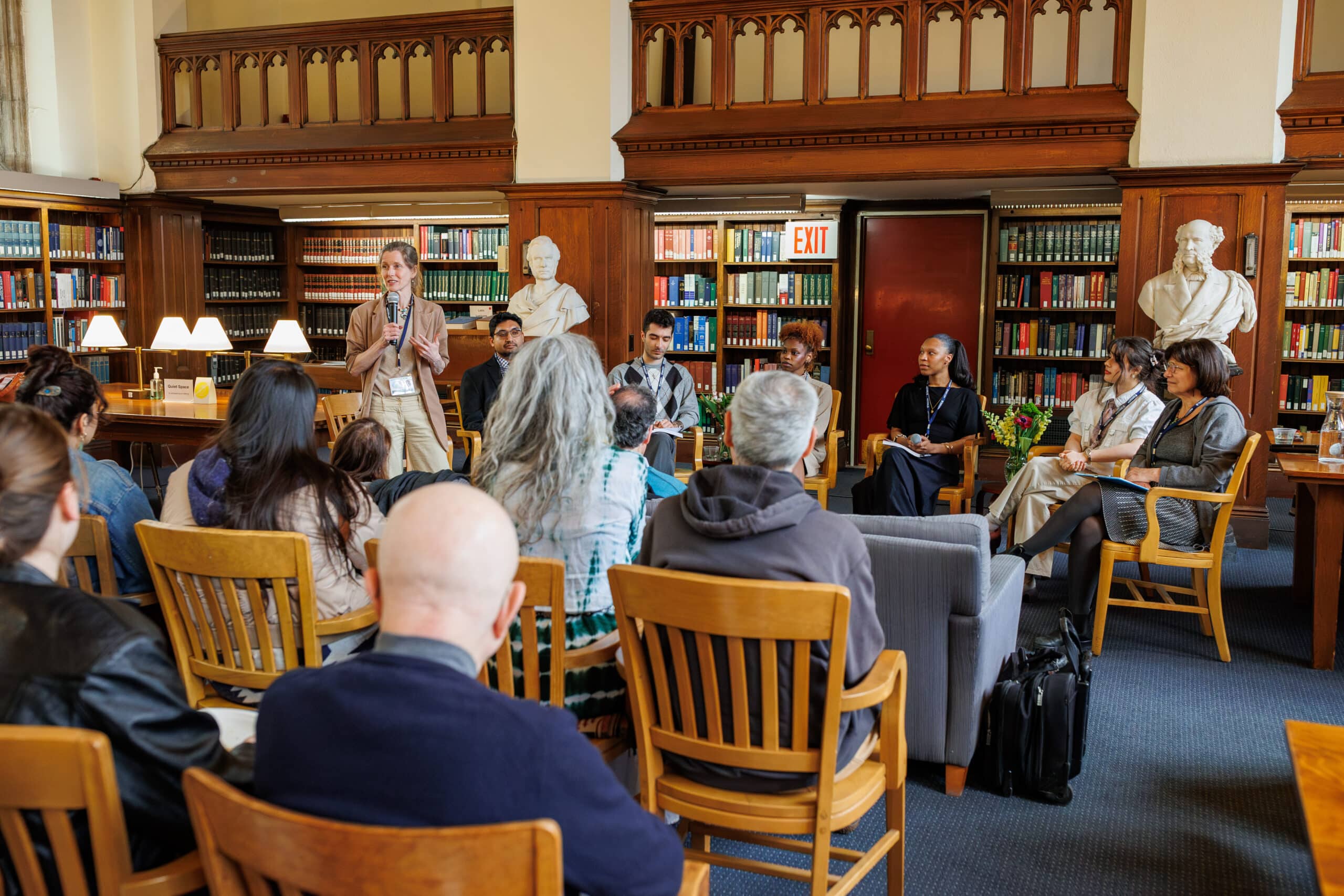
CEE Executive Director Karenna Gore and Susan Bodnar co-moderated the discussion, which featured contributors to the book.
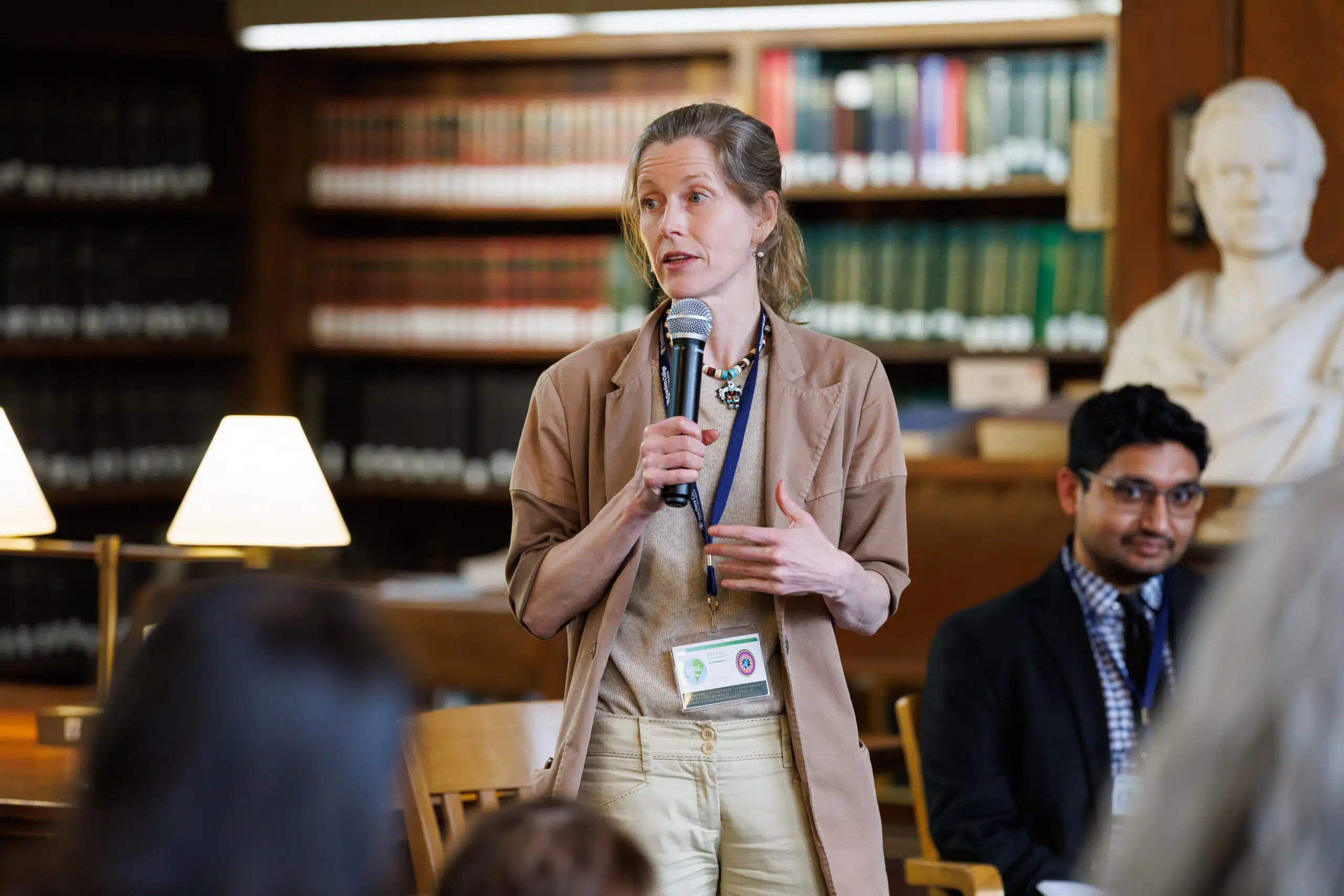
Gore, who wrote a chapter on “Faith, Memory, and Change: Addressing the Climate Crisis Through a Moral and Spiritual Lens,” remarked that she was “deeply grateful for this book,” which drew stories from diverse urban, suburban, rural and wild environments. “One of the messages in this book is how important culture is,” Gore added.
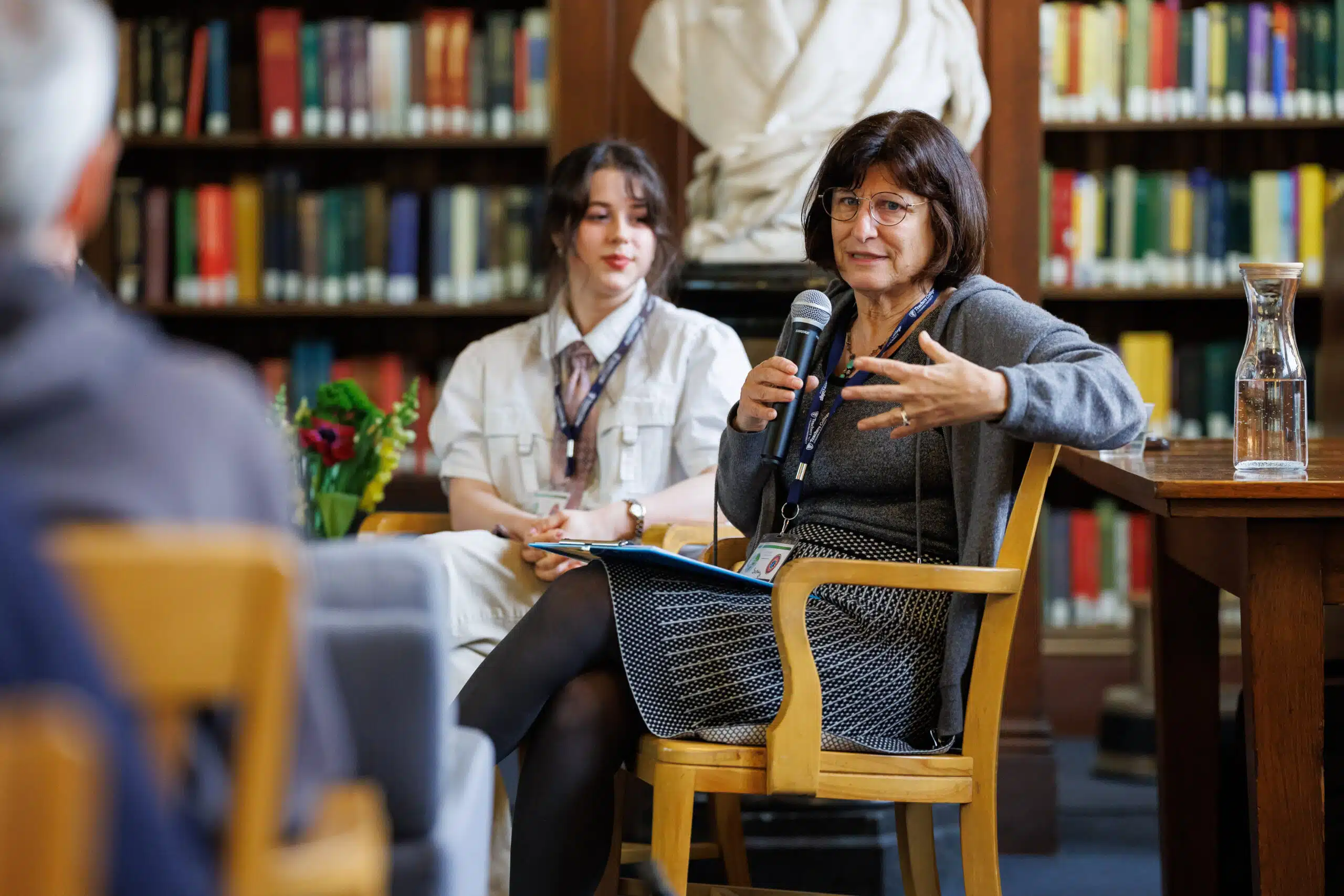
Bodnar, one of four co-editors, observed that “these stories are not always easy” because they deal with “the unmooring of body, heart and community.” She praised the “30 voices” in the book because they “go somewhere honest and specific on the page.” Above all, “the stories in this book are ethical acts,” she said, as well as “calls to action and resilience.”
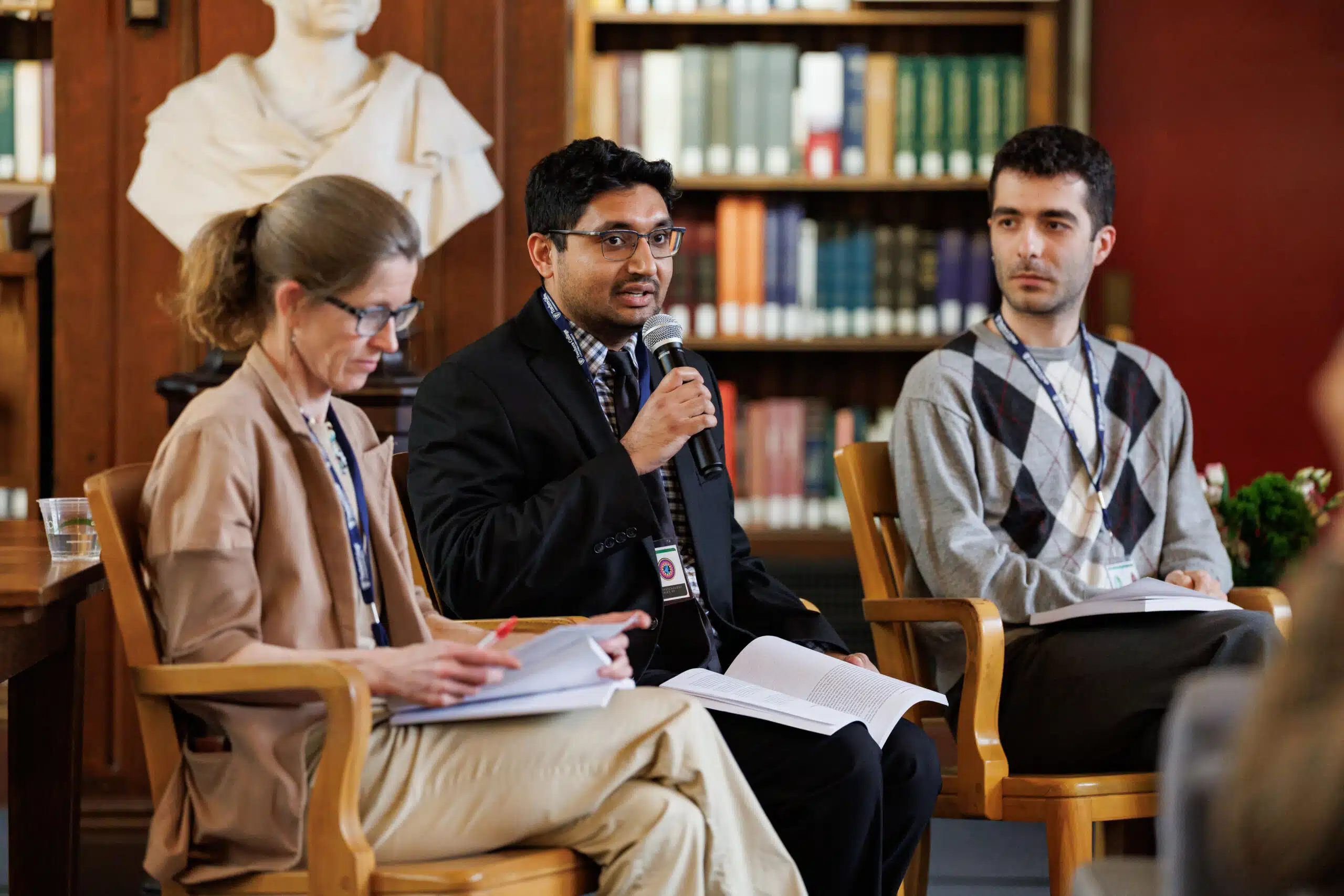
Paritosh Joshi, a researcher and scholar based in Jersey City, New Jersey, grew up in snowy Chicago. His research interests include the mental health impacts of climate change and our interactions with nature, and his story revolved around relationships with “with people of different backgrounds” who had “experienced significantly more environmental barriers than I did.” Climate change’s impact on snow has been dramatic, he said. “One weather phenomenon can have ripple effects,” he noted, and “communities that have relied upon snow are now experiencing severe economic loss.”
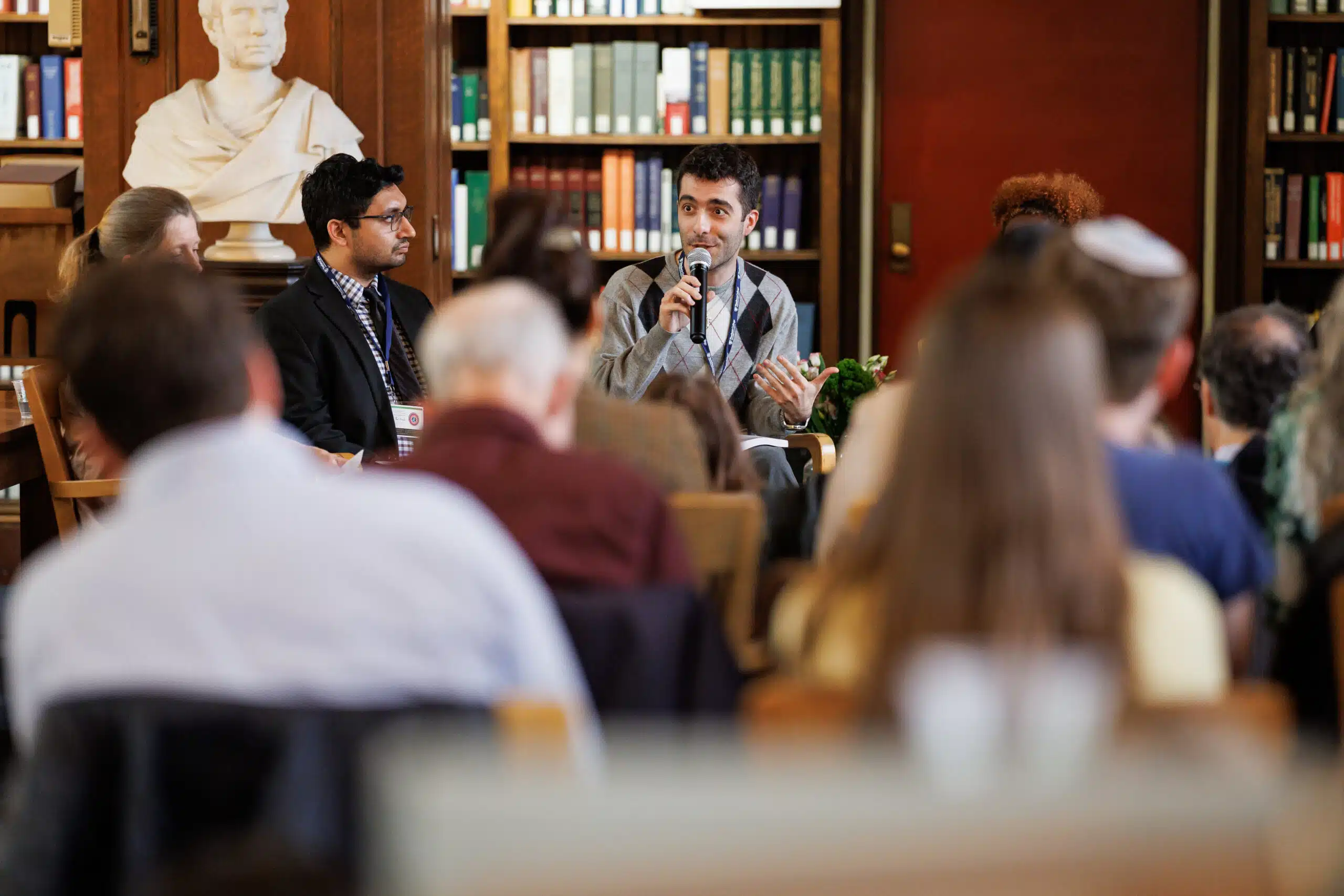
Giorgos Dougalis, an experimental psychology researcher at Harvard’s Laboratory for Developmental Studies, described his essay on forest fires. He decried “environmental extractionism and environmental isolation,” remarking on people’s “inability to interact with the environment.” Given “the way many of us live our lives, [understanding] psychological aspects are essential to environmental ethics.”
The stories here—some joyful, some haunting, all true—are not just tales of loss. They are calls to action and resilience. They are an invitation to remember what we have forgotten, grieve what we have lost and imagine what can still be saved.
Susan Bodnar
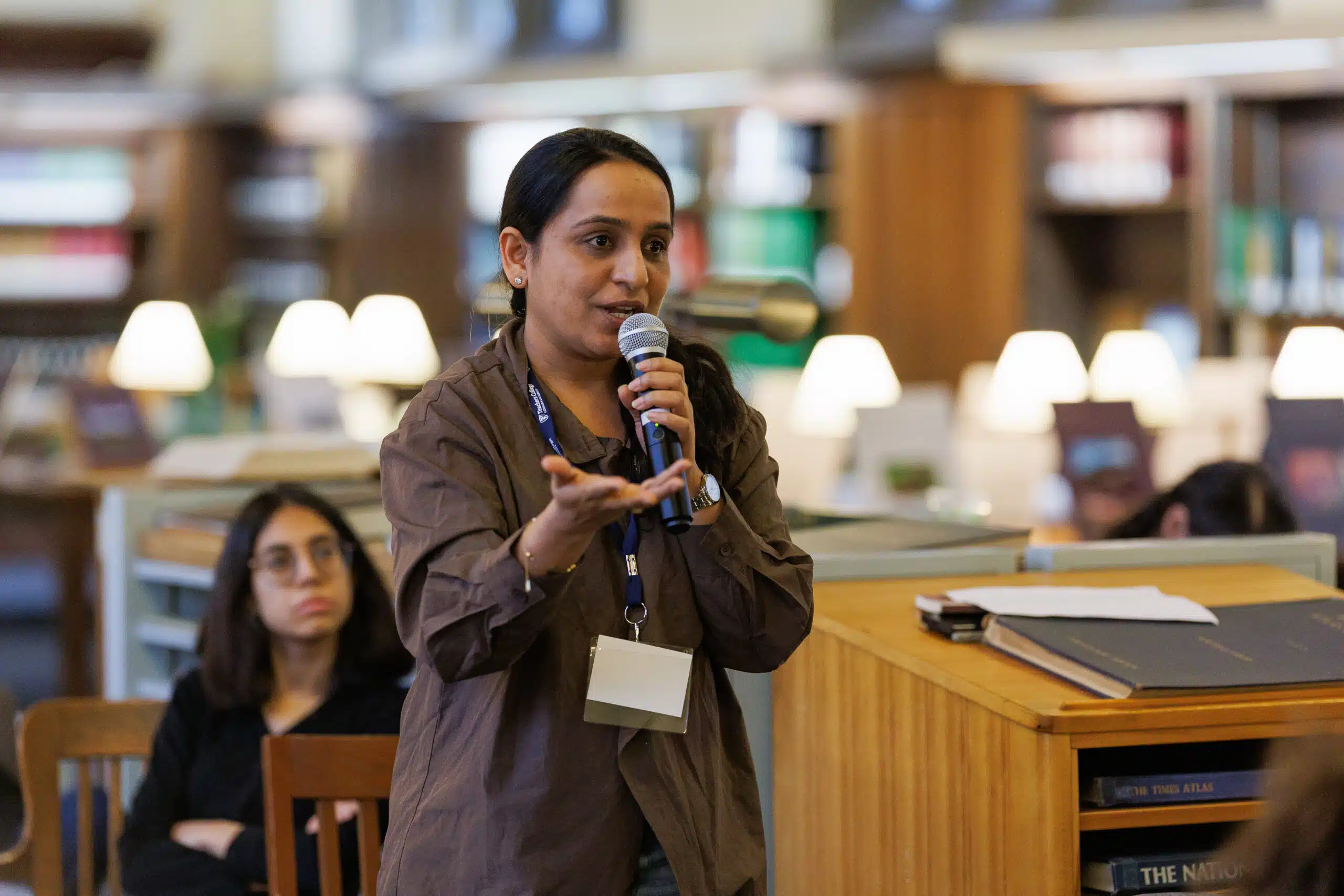
Zikra Fashir, a Sudanese writer, researcher and advocate originally from Darfur, focused on “how climate change has affected our land, our people,” especially through conflict and displacement. “We are one of the most marginalized people in the world,” she said, one struggling “to exist in a world that doesn’t make sense.” Climate change “has affected the mental health of all of us. How can we regain our sense of empathy?”
“We don’t have to live like this,” Fashir said.
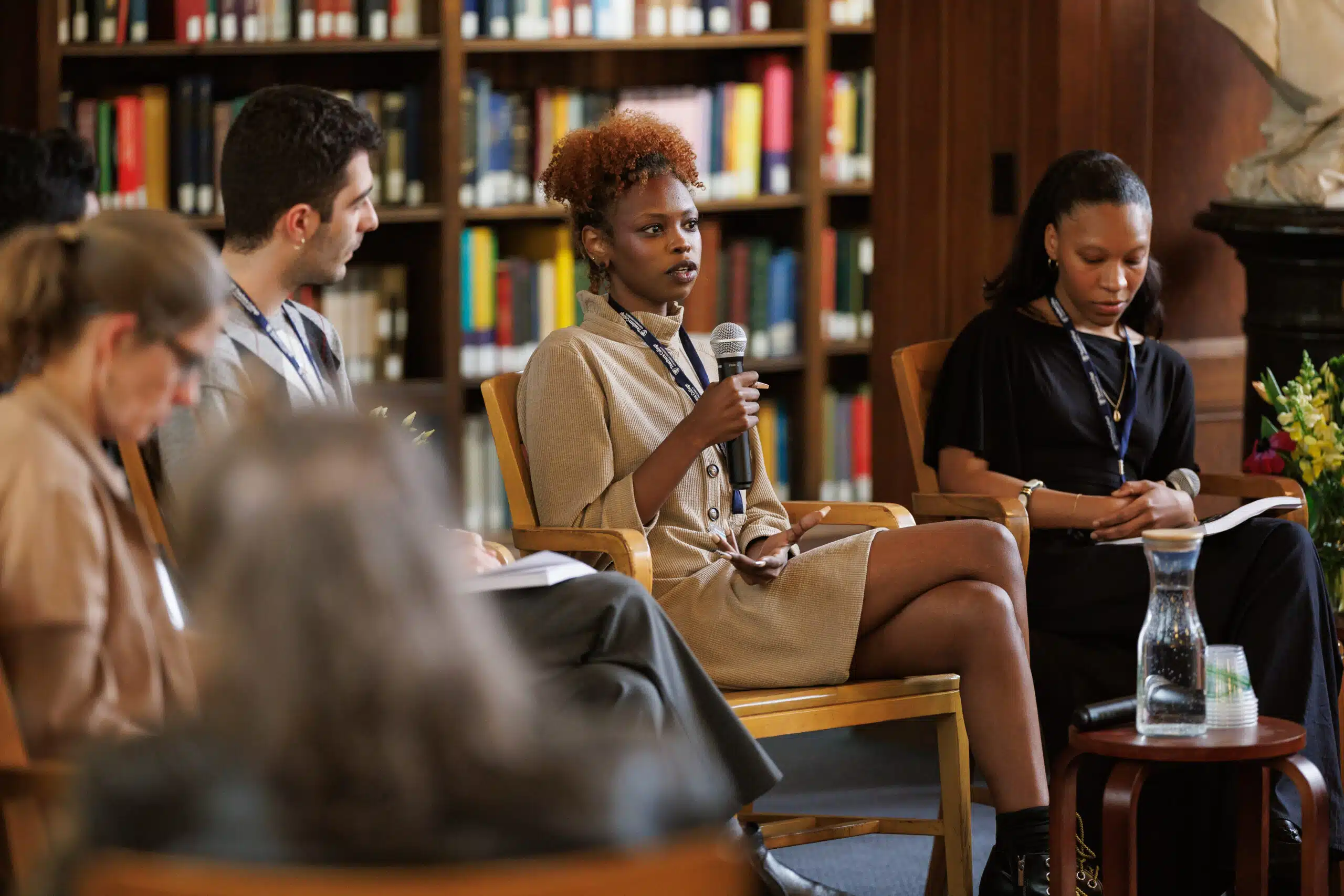
Taylar Enlow, who recently completed her master’s degree at UTS, not only contributed to the book but also was instrumental in organizing the event. A CEE intern since 2024, Enlow works at the intersection of religion, Black studies and environmental ethics, and her story explored the sacred nature of rivers in Africana memory. She described her contribution as an “exploration of African Indigenous knowledge and lifeways,” demonstrating “how and why we should listen to people of African descent.” Enlow’s upbringing in New Jersey reflected this more expansive worldview, which, she said, “shaped my outlook, and the way I relate to the Earth.”
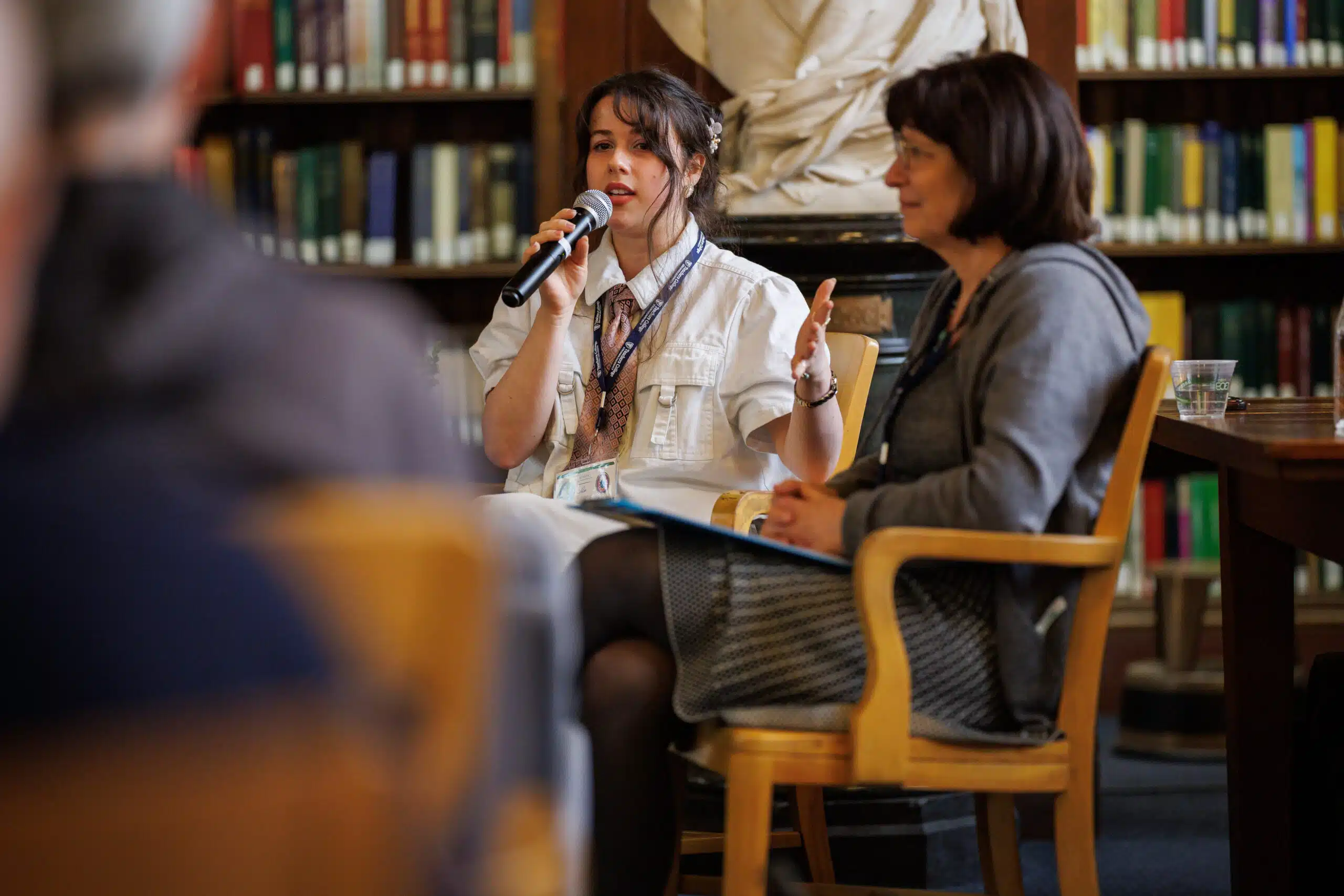
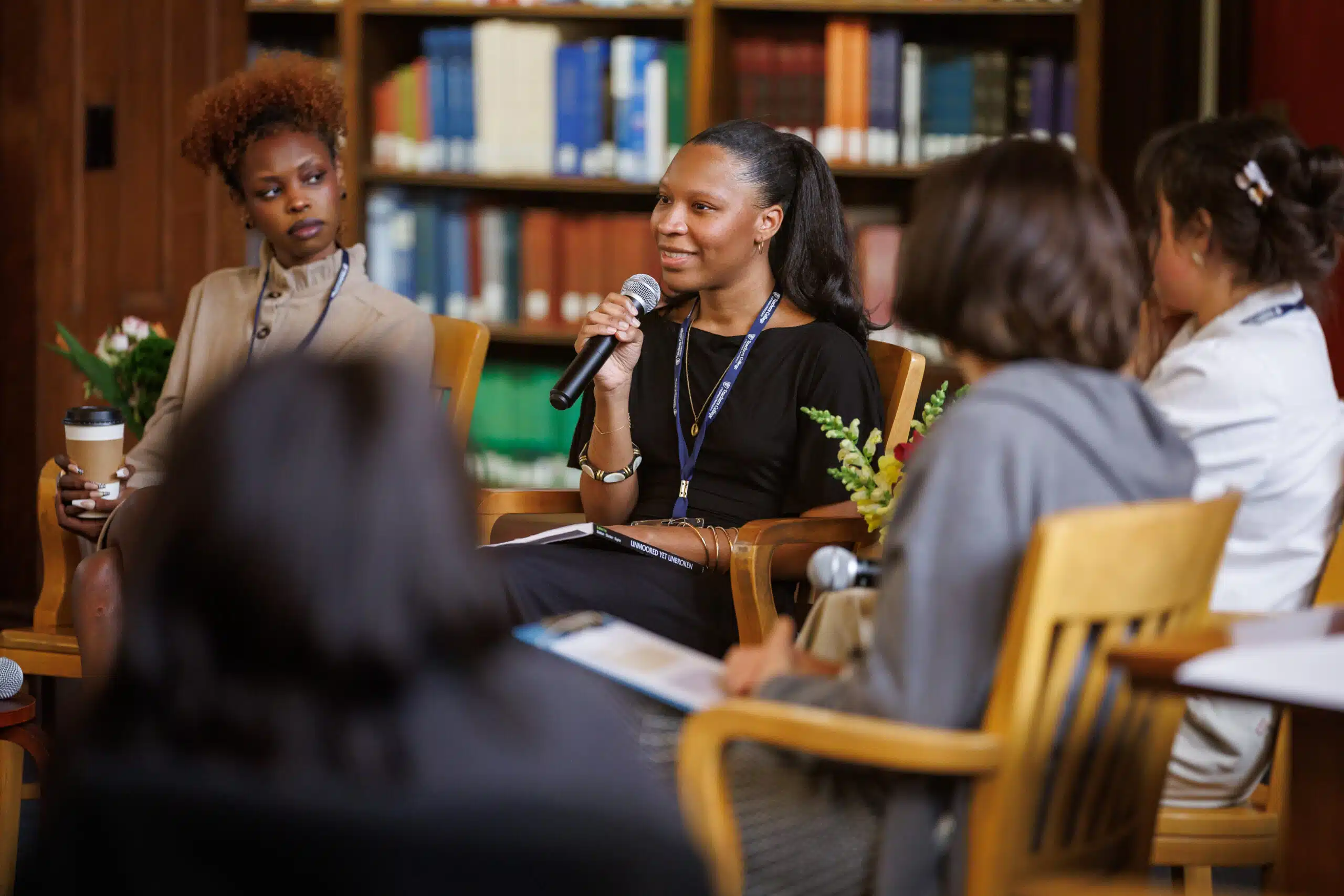
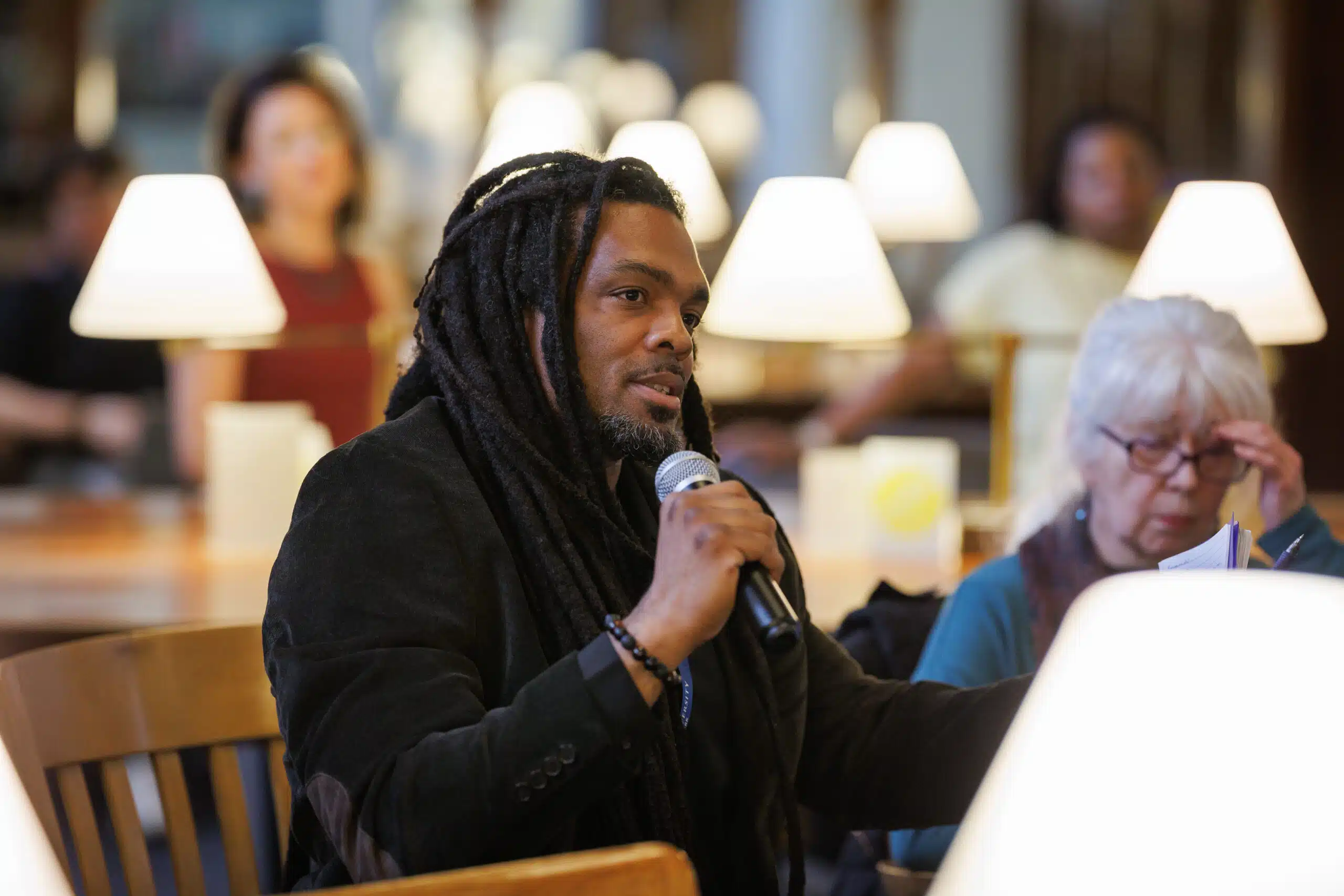
Neiva Teka, a health care professional and a clinical psychology doctoral student at Rutgers Graduate School of Applied and Professional Psychology in New Jersey, addressed “Memory and Urban Transformation in Albania,” a region that bears marks from a history that ranges from the Roman Empire to the Soviet Union. The devastation caused by environmental disasters demonstrates “how hard it is to let go of things you are attached to.” But, she said, “there’s so much to fight for.”
The speakers agreed that spirituality and culture have an essential role to play in addressing the crisis. Dougalis warned against “the allure of treating [climate] as a technical problem,” and instead called for the “reintegration of theology” into climate conversations. Enlow agreed that “the system has attempted to erase us,” but “erasure is and will remain an incomplete process.”
This is a hopeful perspective, for as Gore noted, “those communities that are the most impacted [by climate change] are the cultures with the most insight.”
“Unmoored Yet Unbroken: Ecopsychology for a Changing World. Stories of Human-Nature Relationships,” edited by Susan Bodnar, Chrystal L. Dunker, Jean Kayira and Glenn A. Albrecht, is published by Wiley and available from the publisher and online booksellers.
This book launch event was supported by a generous gift from the Fetzer Institute.
